Tag: solar energy

  • Unveiling the Mysteries of Solar Panel Direction: Why Do Solar Panels Face South?

    Have you ever noticed how solar panels are always facing in the same direction? It’s not a coincidence or just for aesthetic purposes. There’s a science to it, interconnected with the path of the sun, the tilt of the Earth, and the quest for maximum energy production. So why do solar panels face south, and is it really the best direction? Let’s journey together to uncover the mysteries of solar panel direction.

    Short Summary

    • South-facing solar panels are the best for maximizing energy production in the Northern Hemisphere.
    • Alternative solutions like adding more panels, ground mounted arrays or panel trackers can help maximize efficiency if your roof isn’t south facing.
    • Calculating output based on roof direction is easy with helpful online tools and will give you maximum savings regardless of location and type of panel.

    The Science Behind South-Facing Solar Panels

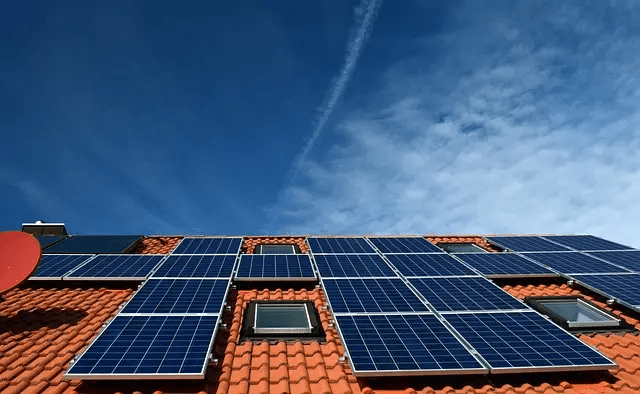
    Ever wondered why solar panels are usually installed on a south-facing roof? It’s all thanks to our celestial neighbor, the sun. The sun’s path in the northern hemisphere plays a pivotal role in solar panel orientation. Solar panels face south to absorb the most sunlight throughout the year, making them ideal for maximizing energy production.

    But what if your roof doesn’t face south? Well, you might have to compromise on your solar panel production, especially if your roof pitch is steep. But fret not! Even if you can’t get the perfect south-facing solar panel installation, there are ways to maximize energy production. Pairing south-facing panels with a home battery backup system and ensuring they’re installed at the perfect angle can help you get the most out of your solar array.

    Sun’s Path in the Northern Hemisphere

    The sun’s path is a fascinating phenomenon that greatly influences the direction for solar panels. The tilt of the Earth’s axis is fixed at 23.5 degrees, causing the sun’s path to always stay south of the Tropic of Cancer, located at 23.5 degrees north of the equator. This is why solar panels face south to maximize energy production.

    But it’s not just about the tilt of the Earth’s axis. If you observe carefully, you’ll notice that the sun’s path changes throughout the year. During summer, the sun rises north of east and sets north of west. However, during winter, sunrise and sunset appear further south along the horizon. The sun is overhead at its highest point in the south throughout the day. This is why harnessing the power of the sun from solar panels by having them face south is the optimal direction. South-facing solar panels are more effective because they are able to capture more direct sunlight throughout the year, thanks to the sun’s path never shifting north of the Tropic of Cancer.

    Maximizing Energy Production

    The goal of any solar panel installation is to generate as much energy as possible. And this is where south-facing solar panels shine the brightest. They get the most sunlight throughout the day, making them the best choice for converting sunlight into energy.

    Why is this important? Because more sunlight translates to more renewable energy, which leads to better economics. Throughout the day, the sun rises in the east, moves to the right, culminates in the south before setting in the west. By having your solar panels face south, you’re ensuring they get the most exposure to the sun’s path, and therefore, produce the most energy.

    Comparing Solar Panel Directions

    Now that we understand why south-facing panels are the gold standard, let’s look at how other orientations fare. You might wonder, “What if my roof doesn’t face south? Is it still worth it to install solar panels? Let’s compare the efficiency and output of solar panels facing different directions, including:

    • Southwest
    • Southeast
    • East
    • West
    • North

    The solar panel direction can significantly impact their energy production and potential savings, especially if you’re dealing with Time-of-Use (TOU) billing, where utilities charge higher rates for electricity during peak times. To position solar panels effectively, the closer the panels are to facing south, the more solar power they produce, and the more savings you can enjoy.

    However, when peak electricity rates skyrocket to 3x or 4x, the ideal orientation for a solar array shifts to the southwest. But remember, the more you turn away from the south, the more energy production you’re likely to lose. That’s why it’s crucial to determine the best direction for solar.

    Southwest and Southeast-Facing Panels

    Let’s start by considering southwest and southeast-facing panels, as well as west facing solar panels. These solar panels are installed pointing towards the southwest, southeast, or directly west. While they don’t quite get the same level of sunlight as south-facing panels, they’re not far behind.

    These panels tend to generate about 8% less power than south-facing panels. This means that while they’re still a viable option, they may not provide as high a return on investment as their south-facing counterparts. So if you’re considering installing panels facing southwest or southeast, keep this 8% drop in power output in mind.

    East and West-Facing Panels

    Moving on to east and west-facing panels, these orientations see a more significant drop in output. Compared to south-facing panels on standard pitch roofs, east and west-facing panels see a 15% decrease in output.

    However, they can generate more energy when they’re mounted at less than 30 degrees. So, if your roof faces east or west, don’t fret! You can still generate a decent amount of energy, especially if you position the panels at less than 30 degrees.

    North-Facing Panels

    Lastly, let’s discuss north-facing panels. These panels are the least ideal in terms of orientation. North-facing solar panels get less direct sunlight than south-facing panels, leading to lower energy production.

    In fact, north-facing panels see a significant 30% drop in energy production compared to south-facing ones. So if you’re considering installing solar panels and your roof faces north, it’s important to keep this substantial decrease in mind.

    Roof Constraints and Alternative Solutions

    But what if your roof doesn’t face south, or any of the other directions we’ve discussed? Don’t throw in the towel just yet! There are still options for homeowners with non-south-facing roofs to maximize solar panel efficiency.

    If your roof faces north, solar panels installed there won’t be as productive as those on south, east, or west-facing systems. However, there are several alternative solutions, such as adding more panels, using ground-mounted solar arrays, or employing solar panel trackers.

    Adding More Solar Panels

    One simple solution to less-than-ideal roof orientation is to add more solar panels. By increasing the number of panels, you can balance out using more electricity by producing more solar energy, leading to potentially lower electricity bills.

    Of course, before adding more panels, it’s crucial to consider the associated costs and space requirements. After all, solar panels require a significant upfront investment, and not every property has the space to accommodate additional panels.

    Ground-Mounted Solar Arrays

    For those with ample property space, ground-mounted solar arrays may be the answer. These are solar panels that are set up on the ground instead of on a roof, and they have their own set of perks. Ground-mounted solar arrays offer:

    • Easier maintenance
    • More control over the direction and angle of the panels
    • Potentially higher energy capture
    • Avoidance of potential damage to the roof

    However, they can be pricier due to the extra materials and labor needed for installation.

    Solar Panel Trackers

    If you’re looking for a more advanced solution to maximize your solar panel efficiency, consider solar panel trackers. These systems improve a solar panel’s output by:

    • Keeping it directly exposed to the sun all the time
    • Boosting energy production by up to 40% compared to fixed solar systems
    • Adjusting the angle of the panels to follow the sun’s movement during the day, improving energy output and efficiency.

    However, they do come with a higher price tag. For instance, a standard 4 kW solar panel system might set you back around $11,400 after incentives.

    Types of Solar Panels and Their Efficiency

    After understanding the impact of direction on solar panel efficiency, let’s shift our focus to the types of solar panels available in the market. The two most popular types are polycrystalline and monocrystalline solar panels, and each has its own pros and cons in terms of efficiency and cost.

    While polycrystalline solar panels aren’t as efficient as monocrystalline ones, they are more affordable. On the other hand, monocrystalline solar panels are more efficient but come with a higher price tag. So, how do you choose between the two? Let’s break it down further.

    Polycrystalline Solar Panels

    Polycrystalline solar panels are a type of solar panel made from multiple crystalline silicon cells. While they’re not as efficient as monocrystalline solar panels, they’re definitely more affordable. These panels usually have an efficiency rating ranging from 13% to 16%.

    They are more budget-friendly because they are less efficient than monocrystalline solar panels, and thus they don’t require as many materials to manufacture.

    Monocrystalline Solar Panels

    On the other end of the spectrum are monocrystalline solar panels. Made from a single crystal of silicon, they’re the most efficient type of solar panel. Monocrystalline solar panels have an efficiency range of 15-25%, with the best panels reaching up to 23%.

    However, this superior performance comes at a cost. Monocrystalline solar panels are pricier than other types, but they’re worth it since they’re more efficient and can generate more electricity in the long run.

    Optimal Angle for Solar Panel Installation

    The direction isn’t the only factor when it comes to maximizing the efficiency of your solar panels. The angle at which the panels are installed plays a crucial role too. But how do you determine the best angle for your solar panel installation?

    The ideal angle usually matches the latitude of the site, usually between 30 to 45 degrees. If you want to be more precise, you can add 15 degrees to the latitude in winter and subtract 15 degrees in summer to get the best tilt angle. But there’s more to it than just latitude.

    Factors Affecting Optimal Angle

    The optimal angle for your solar panels is influenced by several factors. The latitude of your home, for example, directly impacts the best angle for your solar panels. If you live in Miami, Florida at 25.7617° N, your solar panels should be tilted at 25 degrees.

    Other factors like the pitch of your roof and the amount of shading on your property can also affect the optimal angle. For instance, the steeper your roof pitch, the better the angle for the solar panels. However, if your home is shaded by trees or other structures, you may need to adjust the angle to take the shading into account.

    Finding the Best Angle

    Determining the best angle for your solar panels involves a bit of observation and calculation. You’ll want to monitor the sun’s position throughout the day, as the best angle will vary depending on the time of day.

    There are also several online tools that can assist you in finding the best angle for solar panel installation. These tools provide information about where the sun is throughout the day and what angle would be optimal based on where you live.

    Calculating Solar Panel Output Based on Roof Direction

    After deciding on the optimal direction and angle for your solar panels, the next step is to calculate how much energy your panels are likely to produce. You can do this using a solar incidence angle formula or online tools like the SolarReviews calculator.

    The savings you could get depend on your specific location and type of solar panel. But remember, even with a less-than-optimal roof direction or angle, you can still harness the power of the sun and enjoy substantial savings.

    Summary

    In summary, understanding the impact of direction, angle, and type of solar panels on their efficiency is crucial for maximizing your energy production and savings. While it’s true that south-facing panels at a tilt angle matching your latitude offer the highest efficiency, other orientations and angles can still be viable options. With the right knowledge, proper considerations, and by leveraging online tools and technology, you can make the most of your investment in solar power. Remember, the sun is a powerful ally in the quest for renewable energy. Harness it well, and you’ll reap the rewards.

    Frequently Asked Questions

    Why more solar panels should be facing west not south?

    West-facing solar panels generate more energy closer to peak use times, helping you meet your electricity needs in the afternoon when usage starts to increase. With west-facing panels, you’re better able to take advantage of available sunlight and maximize your energy production.

    Does it matter which direction solar panels face?

    It does matter which direction solar panels face, since south-facing panels receive the most direct sunlight and generate the most energy.

    Do all solar panels have to face south?

    For the most efficient energy production, solar panels should be facing the true south. However, south-west and south-east facing roofs are still relatively effective. East and west facing roofs will generate around 15% less power.

    What happens if solar panels face north?

    North-facing solar modules won’t produce as much electricity as south-facing, but they can still generate power on sunny days. They are an effective solution for generating electricity when designed by a qualified solar engineer.

    What are the alternatives if my roof doesn’t face south?

    If your roof doesn’t face south, you can explore other options such as adding more solar panels, using ground-mounted solar arrays, or employing solar panel trackers to maximize energy collection.

  • How Do Solar Panels Work for Kids – A Comprehensive Guide

    Did you know that the energy you use every day to power your toys, gadgets, and even your home can come directly from the sun? That’s right! Solar panels are an amazing technology that allows us to harness the power of the sun and turn it into electricity. In this blog post, we’ll dive into the world of solar energy and break down “how do solar panels work for kids” in a way that’s easy for them to understand. So, let’s get ready to explore the wonders of solar power together!

    Short Summary

    • Solar energy is an infinite, renewable source of energy that helps reduce electricity costs and our carbon footprint.
    • Solar panels convert light into electricity to power homes & cities, while photovoltaic cells capture sunlight for conversion.
    • Kids can learn about solar power through fun activities like solar powered toys & gadgets or DIY projects, the future of solar holds potential for clean renewable energy!

    Understanding Solar Energy for Kids

    solar cell, solar panel, photovoltaic

    Solar energy is the energy that comes from the sun, also known as the sun’s energy. It’s considered renewable because it’s an infinite source of energy that comes from the sun and is available as long as the sun shines. Solar energy is really important because it’s renewable, can help reduce electricity costs, and our carbon footprint by using a solar power system. Plus, it’s the main primary source of energy for our planet, and without it, everything would freeze and no living creature would be able to survive.

    Learning about solar energy is a great way for kids to understand the importance of renewable energy sources and how solar panels work to produce electricity. Not only does it help protect the environment, but it also provides a renewable source of electric power.

    The Sun: Our Powerful Friend

    The sun is our powerful friend because it provides the sun’s energy for solar panels, which are made up of components called photovoltaic cells. Solar panels only take in the light energy from the sun, which they convert into electricity to power our homes, schools, and even cities.

    The term “solar” means anything related to the sun. So solar panels and solar power are just different ways of talking about how we can use the sun’s energy to power our lives.

    Even plants rely on the sun’s energy through a process called photosynthesis, where they use the energy from the sun to turn water and carbon dioxide into the sugars they need to stay alive.

    Renewable vs Non-Renewable Energy

    Renewable energy sources, like solar power, sunlight, wind, and ocean waves, are natural and don’t run out, while non-renewable energy sources, such as fossil fuels, including coal, oil, and natural gas, are finite and will eventually deplete. Solar energy is a renewable source that doesn’t produce pollution, whereas other electricity sources may not be renewable and could create pollution.

    Renewable energy sources are more environmentally friendly than coal since they don’t release dirty emissions and unhealthy gases, and they’ll never be depleted. Using solar power when the sun isn’t shining is also possible thanks to batteries that store solar energy or by connecting it to the electric grid system.

    Breaking Down Solar Panels: Components and Function

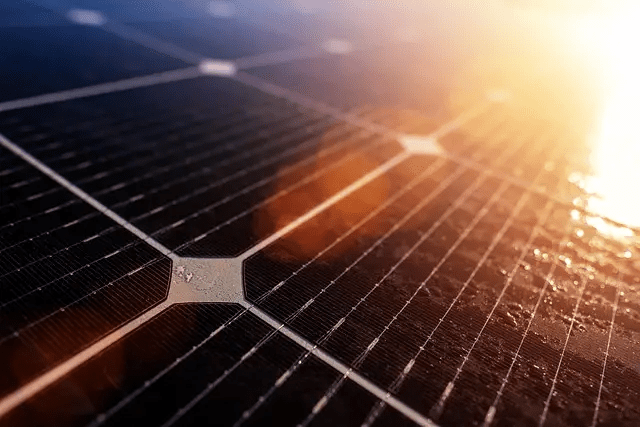
    Solar panels are devices that have solar cells and are placed in areas where they can get the most sunlight. These solar cells are the components of solar panels that convert solar energy into electricity. Solar panels are composed of thousands of small solar cells constructed from two thin layers of silicon.

    When photons and electrons come together in the solar cell, an electrical circuit is created, and this current is then transformed into electricity that we can use. Sunlight hitting a solar panel can knock one of the electrons from a silicon atom out of its orbit. This freed electron then helps to generate electricity. These electrons can only move in one direction – up towards the Sun – so when the Sun is shining, when sunlight hits it causes many electrons to flow upwards and generates the electric current needed to power our homes.

    Photovoltaic Cells: Catching Sunlight

    Photovoltaic cells are made from materials like silicon, cadmium telluride, copper indium gallium selenide, and organic PV cells, with silicon being the most popular material used. These cells take in sunlight and turn it into electricity.

    sunlight, nature, outdoors

    When the sun’s rays hit a solar cell, the energy, or photons, is absorbed. This absorption causes small pieces of matter and energy held inside the solar cell to be released and rise to the surface. These particles inside solar cells are composed of charged matter. They are known as electrons. The energy captured by the photovoltaic cells is then used to power various devices and applications.

    Silicon Layers: Creating Electricity

    Silicon layers are layers of silicon used in many different applications, like electronics and solar panels. In solar cells, these silicon layers generate electricity when exposed to the sun’s rays.

    The sunlight hitting the silicon layers in solar cells causes the electrons in the silicon atoms to move and generate an electric current. This process of converting sunlight into electricity is the key to how solar panels work and provide us with a clean, renewable source of energy, and understanding how solar cells work is essential to grasp the concept.

    Inverters and Batteries: Storing and Using Solar Power

    Inverters are electrical converters that take the direct current (DC) electricity generated by solar panels and convert it into alternating current (AC), which is the kind of electricity that’s used in electrical circuits and for your home appliances. They’re an essential part of any solar panel system and work by using a transformer to change the voltage and frequency of the electricity.

    Batteries play a crucial role in solar power systems as they store the electricity generated by solar panels in the form of chemical energy. When more electricity or is needed, the chemical energy is converted back into electrical energy, allowing us to use solar power even when the sun isn’t shining – like when it’s dark or cloudy out.

    Fun Solar-Powered Activities for Kids

    beetle, toy, photovoltaic

    Now that you know how solar panels work, it’s time to explore some fun solar-powered activities for kids! From solar-powered toys and gadgets to exciting DIY solar projects, there are plenty of ways to learn about and enjoy solar energy while having a blast.

    Solar-Powered Toys and Gadgets

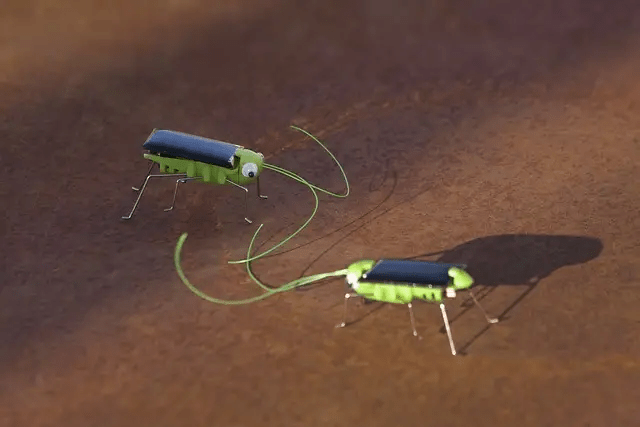
    Solar-powered toys are pretty cool and use solar panels to capture the sunlight and turn it into energy, making them eco-friendly. They come in different sizes and shapes, such as solar robot kits, solar motion toys, and solar-powered figurines. These toys not only provide hours of entertainment, but also serve as a fun way for kids to learn about solar energy and how it works.

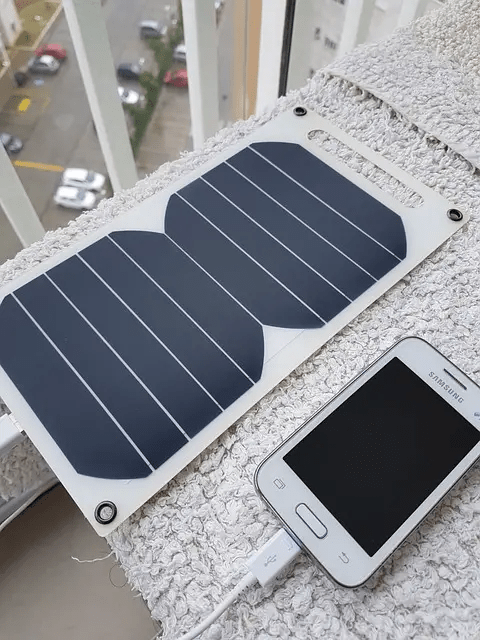
    Solar-powered gadgets can include things like solar-powered flashlights, phone chargers, and calculators. These gadgets are great for teaching kids about the importance of renewable energy sources while also providing them with practical tools they can use in their daily lives.

    DIY Solar Projects

    DIY solar projects are awesome activities that involve building solar-powered gadgets and devices at home. They can be a great way to get familiar with solar power, learn about how solar panels work, and even save on installation costs. Some fun DIY solar projects kids can do include making a solar oven, building a solar-powered car, and constructing a solar-powered water fountain.

    These projects not only provide a hands-on learning experience for kids, but also help them understand the importance of renewable energy sources and their potential to revolutionize the way we generate and use energy.

    The History and Future of Solar Energy

    solar panels, placement, green energy

    Solar energy has come a long way since the discovery of the photovoltaic effect in 1839 by Edmond Becquerel. Pioneers like Charles Fritts, who developed the first prototype of a solar cell in 1873, and Bell Laboratories, which invented the first practical silicon solar cell in 1954, have significantly contributed to the growth and advancement of solar energy.

    Now, let’s take a look at the pioneers who shaped the field of solar energy and explore the future potential of this clean, renewable energy source.

    Pioneers in Solar Energy

    Edmond Becquerel, Charles Fritts, and Maria Telkes are just a few of the pioneers in solar energy. Edmond Becquerel discovered the photovoltaic effect in 1839, Charles Fritts invented the first solar cell in 1883, and Mária Telkes developed the first solar-powered refrigerator in 1947.

    Other notable figures in the field of solar energy include William Grylls Adams, Richard Day, and Jan Czochralski, who also made significant contributions to the understanding and development of solar energy. These pioneers laid the foundation for the solar energy technologies we have today and have inspired countless individuals to continue innovating in this field.

    The Future of Solar Power

    The potential of solar energy is enormous, and it could potentially power entire cities and countries. With the ongoing advancements in solar technology and the increasing awareness of the importance of renewable energy sources, solar power has the potential to revolutionize the way we generate and use energy.

    The forecast for solar energy is promising, with the potential to provide 45% of the electricity in the US by 2050 if we can fully decarbonize the energy system. As we continue to innovate and embrace solar power, we’re paving the way for a brighter, cleaner, and more sustainable future for generations to come.

    Summary

    In this blog post, we’ve explored the fascinating world of solar energy and how solar panels work for kids. From understanding the basics of solar energy to delving into the components and functions of solar panels, we’ve covered the essentials of this clean, renewable energy source. We’ve also discovered some fun solar-powered activities for kids and learned about the history and future of solar energy. As we continue to harness the power of the sun and invest in innovative solar technologies, we’re taking steps towards a more sustainable future for our planet and generations to come. Let the sun shine on!

    Frequently Asked Questions

    What is solar energy simple for kids?

    Solar energy is energy from the sun that can be used in a variety of ways. People can harness the sun’s energy directly with passive solar designs or indirectly with photovoltaic cells, which convert sunlight into electricity.

    Solar energy is a clean and renewable energy source.

    How are solar panels used in space for kids?

    Solar panels are used to generate electricity from the Sun’s energy for satellites orbiting Earth. The solar power is stored in the spacecraft’s battery, providing a renewable energy supply source that helps keep satellites running.

    Solar energy is a renewable energy source that is becoming increasingly popular on Earth. It is clean, efficient, and cost-effective. Solar panels can be used to generate electricity.

    What is a fact about solar power for kids?

    Solar energy has been around for billions of years and is used to create electricity today. It can be harnessed using solar cells which turn light from the sun into electricity.

    How do solar panels work middle school?

    Solar panels capture the sun’s rays and use them to create electricity. Photovoltaic cells turn sunlight into energy by hitting electrons in the cells. The electricity is then delivered to a loader, and enough solar panels together can power an entire city!

    How do solar panels work?

    Solar panels are made from silicon, or another semiconductor material, sandwiched between two layers of semi-conducting materials with different electronic properties. When these panels are exposed to sunlight, the photons of energy cause electrons to be released and generate an electric charge.

    This electric charge is then used to produce electricity.

  • How to Maximize Solar Panel Output in 2023: The Best Direction for Solar Panels

    Are you harnessing the power of the sun with solar panels? If so, you’re on the right track to a greener future! But did you know that the direction and angle of your solar panels play a crucial role in maximizing their efficiency? In this blog post, we’ll explore the best direction for solar panels, along with expert advice and professional installation tips to ensure you get the most out of your solar power system.

    Short Summary

    • Point your solar panels south for maximum efficiency and bang for your buck!

    • If you can’t face south, don’t worry – southwest, southeast & west facing panels still offer great energy savings.

    • Get expert advice from a professional installer to make sure you’re maximizing output & reducing bills.

    Optimizing Solar Panel Direction for Maximum Efficiency

    solar panel, roof, straw

    Solar panel direction and angle are essential for achieving peak performance when installing solar panels. The position of your solar panels can significantly impact their ability to generate electricity, making it crucial to choose the optimal direction and angle for your solar energy system.

    Factors such as geographic location, energy goals, and roof orientation will all play a part in determining the best direction for your solar panels.

    The Role of Geographic Location

    Your geographic location is a key factor in determining the best direction for your solar panels. In the Northern Hemisphere, south-facing panels generally produce the most power, as the sun’s rays hit them more directly throughout the day.

    However, in the Southern Hemisphere, north-facing panels will bask in the most direct sunlight, maximizing energy production. It’s essential to consider your location when choosing the best angle for your solar panels to ensure maximum efficiency.

    Energy Goals and Solar Panel Direction

    Your energy goals will also play a part in determining the optimal direction for your solar panels. If your primary goal is to generate as much electricity as possible, south-facing panels are the way to go.

    However, if you want to ensure that your energy is available when you need it most, you might consider other directions, such as west-facing panels, which can generate more energy during peak demand hours.

    Roof Orientation and Solar Panel Placement

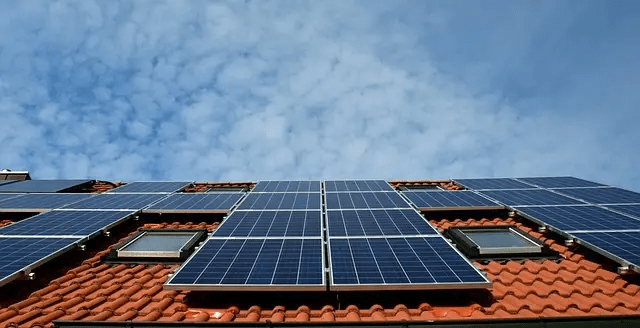
    Roof orientation is another important factor to consider when installing solar panels. Ideally, solar panels should be installed on a south-facing roof for maximum output. However, if your roof isn’t south-facing, don’t despair! You can still generate a significant amount of energy by installing solar panels on east or west-facing roofs.

    Just keep in mind that your solar panel output may be slightly lower than if they were facing south.

    South-Facing Solar Panels: The Ideal Direction?

    solar system, roof, power generation

    South-facing solar panels are often considered the ideal direction for maximum solar energy production. In the Northern Hemisphere, south-facing panels soak up the most rays, providing the highest output. However, peak solar production doesn’t always coincide with peak energy usage, which typically occurs later in the day.

    West-facing solar panels can be a great alternative, as they generate more energy during the late afternoon and early evening when demand for electricity is highest. While south-facing panels may generate more power overall, west-facing panels can help you save more on your energy bills by providing electricity when it’s most needed.

    Maximizing Solar Output with South-Facing Panels

    South-facing solar panels offer the highest average output compared to other directions. They capture the most direct sunlight, ensuring that your solar energy system generates the most electricity possible throughout the day.

    solar panels, placement, green energy

    This is especially important if you’re looking to take advantage of net metering, a policy that allows you to sell excess electricity back to the grid, or if you plan to store the energy in solar batteries for later use.

    Net Metering and South-Facing Panels

    Net metering is a fantastic incentive for homeowners with south-facing solar panels. By generating more electricity than you consume, you can export the excess energy to the grid and receive credit from your utility company. This effectively allows you to “store” your solar energy and use it later, reducing your electricity bills and making solar power more accessible and affordable.

    alternative, cell, clean

    Net metering is a great way to make solar energy more accessible and affordable. It allows homeowners to generate their own electricity and store it for later use, reducing their electricity bills.

    Solar Batteries and South-Facing Panels

    Pairing solar batteries with south-facing panels can be a powerful combination. South-facing panels generate more energy throughout the day, providing ample electricity to power your home and charge your solar batteries.

    solar panel, cell phone, solar charge

    By storing this excess energy, you can use it later when the sun isn’t shining or during peak demand times when electricity rates are higher. This not only saves you money, but also helps you become more energy-independent and environmentally friendly.

    Alternative Directions: Southwest, Southeast, and West

    architecture, solar, solar panels

    While south-facing solar panels are generally considered the best direction for maximum solar power production, it’s essential to consider alternative directions that may better suit your specific needs. Southwest, southeast, and west-facing solar panels can still generate a significant amount of energy, depending on your location and energy goals.

    Ground-mounted solar panels offer more versatility and fewer placement restrictions compared to rooftop installations, allowing you to position them in the ideal direction for maximum solar power production. This flexibility can be especially beneficial if your roof doesn’t have the optimal orientation for solar panels.

    Southwest-Facing Panels for Time-of-Use Rates

    Southwest-facing solar panels can be an excellent choice for homeowners looking to take advantage of time-of-use (TOU) rates. These panels generate more electricity during the afternoon and early evening when TOU rates are typically higher. By generating more energy during these peak times, you can save more on your electricity bills and make the most of your solar power system.

    solar, roof, solar energy

    Installing southwest-facing solar panels can be a great way to maximize your savings on TOU rates. With the right system, you can generate more electricity during peak times and reduce your electricity bills. Additionally, you can take advantage of this.

    Southeast-Facing Panels and Energy Production

    Southeast-facing solar panels can also be a good option for maximizing energy production. While they may not generate as much electricity as south-facing panels, they still receive a significant amount of direct sunlight throughout the day. This can help you generate enough electricity to power your home and potentially store excess energy in solar batteries for later use.

    Solar batteries are a great way to store excess energy for later use. They can be used to power your home during peak hours when electricity rates are higher, or to provide power to your home during peak hours when electricity rates are higher.

    West-Facing Panels for Peak Demand Hours

    As mentioned earlier, west-facing solar panels can be an excellent choice for generating energy during peak demand hours. By producing more electricity during the late afternoon and early evening, west-facing panels can help you save money on your energy bills and make the most of your solar power system.

    It’s essential to consider your energy usage habits and peak demand times when choosing the best direction for your solar panels.

    Overcoming Non-South-Facing Roof Limitations

    solar panels, photovoltaic cells, tiles

    If your roof isn’t south-facing, don’t worry! There are several ways to overcome this limitation and still generate a significant amount of solar power. By installing additional solar panels or utilizing solar panel trackers, you can compensate for the less-than-ideal roof orientation and maximize your solar energy production.

    Keep in mind that the direction of your solar panels is just one of many factors that contribute to the overall performance and efficiency of your solar power system. It’s also essential to consider other elements such as shading, panel quality, and system size to ensure you get the most out of your solar investment.

    Compensating with Additional Solar Panels

    solar system, roof, power generation

    One option for overcoming non-south-facing roof limitations is to install additional solar panels. By adding more panels to your system, you can generate more electricity even if the direction of your panels isn’t optimal.

    Be sure to consult with a professional solar installer to ensure your system can handle the additional panels and that they are correctly installed for optimal performance.

    Ground-Mounted Solar Arrays

    Ground-mounted solar arrays offer another solution for homes with non-south-facing roofs. These systems are installed on the ground rather than on the roof, allowing you to position them in the ideal direction for maximum solar power production.

    While ground-mounted systems may require more land and can be more expensive than rooftop installations, their increased versatility and energy production potential can make them an attractive option for homeowners with limited roof space or poor roof orientation.

    Solar Panel Trackers for Improved Output

    Solar panel trackers are another innovative solution for overcoming non-south-facing roof limitations. These devices automatically adjust the angle of your solar panels throughout the day to follow the sun’s path, ensuring maximum sunlight exposure and energy production.

    Solar panel trackers can significantly increase your system’s efficiency, in some cases by up to 67%, making them an excellent option for homeowners looking to maximize their solar power output regardless of roof orientation.

    Adjusting Solar Panel Angle for Maximum Output

    solar panels, placement, green energy

    Setting the ideal angle for your solar panels is essential for maximizing their efficiency and energy production. For the best results, you should set your solar panel angle equal to your geographical latitude. This will ensure that your panels receive the most direct sunlight throughout the day, providing the highest possible energy output.

    However, it’s also essential to consider the impact of weather on your solar panels, as heavy snowfall or debris can reduce their performance. Professional solar installers can provide expert advice on the best angle for your solar panels, taking into account factors such as location, roof orientation, and local weather patterns.

    By following their guidance, you can ensure that your solar power system operates at peak efficiency and generates the most electricity possible.

    Ideal Solar Panel Angle Based on Latitude

    Setting your solar panel angle equal to your geographical latitude is generally the best approach for maximizing solar energy production. This ensures that your panels receive the most direct sunlight throughout the day, providing the highest possible energy output.

    Be sure to consult with a professional solar installer to determine the optimal angle for your specific location and roof orientation.

    Seasonal Adjustments for Solar Panel Angle

    In addition to adjusting your solar panel angle based on latitude, it’s also essential to consider seasonal adjustments. During the winter months, when the sun is lower in the sky, you may need to set your panels at a steeper angle to capture more sunlight. Conversely, during the summer months, when the sun is higher in the sky, a less steep angle may be more appropriate.

    Professional solar installers can advise on the best seasonal adjustments for your solar panels, ensuring that your system operates at peak efficiency throughout the year. By following their guidance, you can maximize your solar power output and save more on your energy bills.

    Expert Advice and Professional Installation

    Seeking expert advice and professional installation is crucial when it comes to optimizing your solar panel direction and angle for maximum efficiency. By working with a reputable solar installer, you can ensure that your solar power system is correctly installed and configured to generate as much electricity as possible.

    Whether you’re looking to install rooftop solar panels, ground-mounted solar arrays, or solar panel tracking systems, a professional installer can help you navigate the process and make the most of your investment. By seeking their guidance, you can optimize your solar power system for maximum efficiency, saving money on your energy bills and reducing your carbon footprint.

    Free Consultations from Reputable Installers

    solar panels, heating, renewable energy

    Many reputable solar installers offer free consultations to help you better understand the solar installation process and the potential benefits of solar energy for your home. During a consultation, they can provide valuable information on the best solar panel direction and angle for your specific location, as well as advice on the best solar panel system for your needs and budget.

    By taking advantage of these free consultations, you can gain valuable insights into solar energy and make informed decisions about your solar power system. Plus, working with a reputable installer ensures that your solar power system is professionally installed and operates at peak efficiency.

    Solar Panel Tracking Systems and Installation

    Solar panel tracking systems can be a game-changer for maximizing the efficiency of your solar power system. These devices automatically adjust the angle of your solar panels throughout the day to follow the sun’s path, ensuring maximum sunlight exposure and energy production.

    Professional solar installers can help you determine if a solar panel tracking system is right for your specific needs and provide expert installation services. By investing in a solar panel tracking system, you can increase your system’s efficiency by up to 67%, making it an excellent option for homeowners looking to get the most out of their solar power investment.

    Summary

    In conclusion, optimizing the direction and angle of your solar panels is essential for maximizing their efficiency and energy production. By considering factors such as geographic location, energy goals, and roof orientation, you can determine the best direction for your solar panels and make the most of your solar power system. Don’t forget to seek expert advice and professional installation to ensure that your system is correctly installed and operates at peak efficiency. By harnessing the power of the sun, you can save money on your energy bills, reduce your carbon footprint, and contribute to a greener future for all.

    Frequently Asked Questions

    Are solar panels better facing east or west?

    West-facing solar panels are a great option for those looking to maximize the energy production from their solar array. They can take advantage of the afternoon sun, helping to cover your electricity needs during peak hours when household usage is highest.

    So if you’re thinking of going solar, west-facing panels are an excellent choice!

    What direction is most effective for solar panels?

    For homeowners in the Northern Hemisphere, solar panels should be facing south for maximum effectiveness. This ensures that they will get the most direct sunlight all day long, making them an efficient way to generate energy.

    The best direction for solar panels is south-facing if you live in the Northern Hemisphere. South-facing panels will receive the most direct sunlight throughout the day, making them the most efficient way to harness the power of the sun and generate clean energy.

    Is south or west better for solar panels?

    Based on the expert advice of the solar industry, it looks like going south is the way to go if you want to get the most out of your solar panel system. With a south orientation, you’ll maximize energy production and save money in the long run.

    Are east or south facing solar panels better?

    South-facing solar panels are the ideal choice for northern hemisphere homeowners, since they produce more electricity than east or west facing systems. During peak use times, a west-facing system could be more beneficial, but in general, south-facing solar panels will give you the most bang for your buck.

    Bottom line: South-facing solar panels are the best choice for northern hemisphere homeowners looking to maximize their energy output. Though not always necessary, west-facing panels can be advantageous during peak usage times. Apr 8, 2022.

    What direction should solar panels face?

    For maximum energy efficiency, solar panels should be facing south in the northern hemisphere. That way, they will receive direct sunlight all day and be able to collect as much energy as possible.

    So, if you want to get the most out of your solar panel setup, point them south!