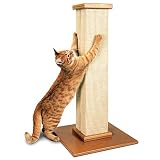
One of the biggest complaints most cat owners have is that they have trouble getting their cats to stop scratching the furniture. The obvious answer to the problem is to get a scratching post, but do scratching posts work?
Many people that have gotten scratching posts for their cats, ended up wasting money because the cats didn’t use them.
It’s not that cats don’t use scratching posts, it’s probably that a lot of cat owners are getting the wrong types of scratching posts. There are many different types, and what works for one cat may not work for another. Today, we are going to look at the scratching posts for kittens, adult cats, and senior cats.
Getting Your Kitten to Use Scratching Post
The easiest time to train a cat to not scratch furniture is when it is a kitten. You need to have a quality scratching post, and luckily, most scratching posts are attractive to kittens.
If your kitten has already started scratching furniture, you will need to place the scratching post as close to the furniture as possible. That way, when you see your kitten scratching furniture, you can redirect them to the scratching post.
Method to Attract
You may have heard that cats will be more attracted to a scratching post when you sprinkle catnip around the base or spray the post with liquid catnip. This isn’t likely to work with your kitten; many kittens are not attracted to catnip. But, it is going to help a lot if you are trying to train an adult cat to use a scratching post.
You should also make the area the kitten is scratching as unattractive to them as possible. Block access to the area, put foil or sticky tape on the surface, etc.
Again, make sure that you are redirecting your kitten to the scratching post, praise them when they use it, and reward them with treats.
Training an Adult Cat to Use a Scratching Post
One of the main reasons why adult cats scratch on things is to mark their territory, which gives a visual notification that something is theirs, as well as leaves their scent (cats have scent glands in the pads of their paws). This is why you often see many scratching posts in a home where there are cats.
There should be a scratching post in every area that they use a lot. If you have an adult cat that loves to scratch furniture, you can train them to use the scratching post instead.
It will take more effort and time than it does with a kitten, but you can do it. This is the time to start using catnip to entice your cat to use the scratching post.
Adult cats shed the outer layer of their claws when they scratch on things, so don’t be alarmed if you find “claws” in their scratching post. This is perfectly normal and necessary for the health of their claws.
It is also a good idea to start regularly trimming your cat’s nails, so they don’t easily snag on things. They don’t always mean to claw at things, but they end up getting stuck anyway.
A senior cat comfortable with using a scratching post will continue to do so, as long as they have access to one. If the senior cat has never used a scratching post, don’t worry, you can train them to do so.
Yes, they will likely be very stubborn about it at first, but with treats and catnip as incentives, they will soon realize that using the scratching post will bring rewards.
Conclusion: Do Scratching Posts Work?
No matter how old your cat is, it is never too late to train them to use a scratching post. Obviously, it is a lot easier to train a kitten that has not yet developed any bad habits, but with care and the right approach, and the right scratching post, you can get any cat to use the post and save yourself a lot of money on replacing furniture in the home.
Have you ever wished that you could understand your cat better? In this article, we’ll take you through the best places to scratch your cat and where to avoid. As a cat owner, you know just how difficult it can be to get to cuddle with you sometimes.
Scratching your cat can go two ways – you either get a satisfied, adoring cat, or you end up being the one scratched!
Keep in mind, that your cat’s preference can differ – what one cat enjoys or tolerate might be different for another. I would also recommend you to read some of the best cat scratching post here.
Perfect Places to Scratch A Cat
Scratches Behind Their Ears
If you have a pet or scratched a cat before, you may have noticed how many of them love to be scratched right behind the ears. Oftentimes, they even lean into your hand with a satisfying purr. However, if your cat does not purr when you pet them, this does not mean that they are not enjoying themselves. Not all cats purr. When your cat bumps into your hand like this, it is called “bunting”. This means that your cat is marking you as theirs.
Scratches by the Base of Their Tails
This can definitely fall into the category of “not all cats like this”. However, some cats enjoy being rubbed or pet by their tails. This is basically the area where your cat’s tail meets their back. Take your hand and gently run it up and down your cat’s back, paying extra attention to that spot.
Scratches Underneath Their Chins
Focus on the underside of your cat’s chin. Gently pet and scratch them, running your hand up to that spot where their jaw connects with their skull. Your cat will love this! When you do this, you may be able to get some contented purrs out of them.
Scratches by Their Necks and Shoulders
Just like we sometimes crave a nice massage, some cats enjoy a soothing one as well. Gently kneed a hand or two into your cat’s shoulders. Don’t rub too hard, or your cat might get angry. This can even be combined with some scratches behind their ears as well.
Scratches Right on Their Cheeks, Behind Their Whiskers
This is a spot that should be pet exactly right. Otherwise, your cat may run off and ignore you for a while. With careful, gentle, fingers, caress your cat right on their face focusing on that spot behind their whiskers. It’s important that you avoid rubbing too hard, especially since you do not want to accidentally hurt your cat.
Whether you have a kitten or a senior cat, this resource helps you quickly identify potential problems, take proper steps in emergency situations, better understand diagnoses and treatment options, and communicate more effectively with your veterinarian.
It’s important to remember that every cat is different, and yours may not be one that enjoys being scratched. There are some cats that prefer you to keep your hands to yourself, while they find other ways to have their spots scratched.
If your cat is one that allows scratches and you focus on these special spots, you are guaranteed to have a returning recipient.
Places to Avoid Scratching on Your Cat
While there are specific places on your cat that you can scratch without repercussions, there are also some places that you definitely should avoid. Attempting to scratch your cat in the wrong spot can result in a hostile cat. It can definitely help to know which specific spots to avoid.
Avoid touching Your Cat’s Tail
Most cats do not like their tails being touched. Although the cat’s tail may seem like an ideal place to grab on to especially to children, do warn them to stay away from the cat’s tail. Furthermore, a cat’s tail can also be used as an accurate measurement of how irritated your cat is getting with your petting. If its tail starts moving too much, it’s probably a good idea to leave it alone.
Avoid Trying to Rub Your Cat’s Belly
Contrary to your pet dog who may thoroughly enjoy belly rubs, a cat’s belly is not something to be messed with. A cat’s midsection is a very vulnerable section of their bodies, and they may be aware of this fact. Trying to rub or scratch your cat’s sensitive belly may result in your hand being grabbed at, bit, or scratched. However, this is just your cat attempting to protect themselves.
Avoid Rubbing Your Cat’s Paws
A cat’s paws are off-limits as well. Why? Because grabbing or petting at your cat’s paws or feet may make them feel like they are trapped. The paws are one of the most sensitive places on any cat’s body, so avoid them at all costs.
When Not to Scratch or Pet Your Cat
In addition to places that you should avoid touching on your cat, there are just some situations where should trying to pet your cat at all.
While Your Cat is Eating or Drinking
Do not pet them while they are enjoying a meal or drinking their water. This is a common universal rule with your pet dog as well. However, with cats, avoid it at all costs. While your cat is eating, they should be left alone to focus on their food. Sometimes, getting your cat to let you pet them is a feat in itself, so petting them while their eating is definitely off-limits.
To Calm the Cat Down
Do not pet your cat as a way to placate them after they’ve made a mess or after they have done something that they were not supposed to do. Doing this might establish positive reinforcement in these cases, which is something that you want to avoid doing so that you do not confuse your cat. Furthermore, if your cat is agitated, it might be best to leave them alone.
When Your Cat Clearly Does Not Want to be Pet
Do not force your affection on your cat. As cat lovers, it’s obvious that you might want to shower your furball with as much love as possible. However, sometimes, your cat is just not in the mood to be pet. Leave your cat alone at any sign of hissing or fidgeting because these are clear signs of irritation.
Conclusion
Showing your cat some love may be a favourite pastime for any cat lover. By petting your cat in the right spot, you can establish trust between you and your cat. By following these do’s and don’ts when it comes to your cat, you are one step closer to cracking the mystery of these cool cats.
Cats love to scratch. That is just a matter of fact, so what are some thoughts and things about scratching post versus cardboard scratcher? If you have a cat, but don’t have a of designated scratching surface for them, chances are that you have come home to your furniture in shreds. Cats need a surface that they can scratch, which is for several different reasons. A cat that does not have a good scratching surface is not going to be a very happy cat at all.
This of course begs the question of what kind of scratching surface you should get for your cat. There are a variety of options to go with, mainly cardboard scratchers and scratching posts. Scratching posts themselves can be covered in various materials, so we will cover that too.
The main point of today’s article is to compare the good old scratching post against a cardboard scratcher. We want to help you find the best scratching surface, so your cat is happy and so your furniture stays in one piece, but choosing the right one may not be so easy. As you will see, both scratching posts and cardboard scratchers have their benefits and drawbacks, all of which we are going to talk about right now.
Scratching Post
When it comes to scratching posts, there are a couple of different options that you can go with. Cats usually tend to prefer larger scratching posts. First and foremost, you should aim to get a scratching post that will let your cat stretch while scratching. They really like to get up on their hind legs so they can scratch up high with their front paws. Moreover, cats also prefer it when there are both vertical and horizontal scratching surfaces, both of which usually come with most scratching posts.
In terms of the material used, generally a scratching post will be made of either sisal rope or carpeting, both of which get the job done. Scratching posts that are made with sisal rope tend to be a little more durable, they last longer, they do a good job at satiating your cat, and they make a good sound when scratched too. All that being said, sisal rope scratching posts are usually a bit more expensive than the carpeted alternatives.
Cats also like carpeted scratching posts, but what you need to keep in mind is that a cat may get confused. The whole point of a scratching post is to let your cat use its claws without destroying your furniture. Getting a scratching post with carpet on it will confuse your cat and it may not understand why exactly it is allowed to scratch the post, but not other furniture.
People who get sisal rope scratching posts tend to have much less scratched up furniture than people who have carpeted scratching posts for their cats.
Cardboard Scratchers
Cardboard scratchers are good options to go with as well, but we think that they are not as good as real scratching posts. The big upside to cardboard scratches is that they are very inexpensive. Real scratching posts cost a fair bit of money, while cardboard scratches won’t cost too much. Cats like the cardboard variety for a couple of reasons.
First of all, cardboard shreds really well under the claws of a cat, which is very satisfying to them. A cat will probably prefer a cardboard scratcher due to the softer surface and an easier scratch. At the same time, cardboard seems to make this noise that is really satisfying to cats when they use it.
Of course, the downside to cardboard scratchers is that they don’t last very long, at least not nearly as long as real scratching posts. There is also the fact that they tend to make a real mess, which nobody wants. Those little pieces of cardboard can easily make their way across your home. Moreover, cats like vertical and horizontal scratching surfaces, but cardboard scratchers are usually only horizontal, or sometimes slightly angled.
Cats may prefer a tall vertical scratching post over a cardboard scratch for this reason.
Cardboard Scratch vs. Scratching Post
Now, if we are to compare the scratching post to a cardboard scratch, there is not all that much to be said. Generally speaking, a real scratching post will be much bigger, have a larger scratching surface, and it will last for much longer. Cats seem to like how these things are vertical because they can really go at the post from many angles. Scratching post are undoubtedly the more durable option. Most owners provided at least one scratching post; cats scratched the preferred substrate more often when the post was a simple upright type or a cat tree with two or more levels and at least 3 ft high*.
On the other hand, scratching posts are going to be much more expensive than cardboard scratchers. Cardboard scratchers do get the job done, but their relatively cheap construction does come with a lower price tag, and also a lot less longevity at the same time. The fact that they are cheap is something that people tend to like. Cats also seem to like the feel of the cardboard under their claws, plus they really like the sound too.
As you can see, both cardboard scratchers and scratching posts come with their own advantages and drawbacks.
Why Do Cats Scratch?
You might be wondering why you even need to get your cat a scratching post versus cardboard scratcher. There are a few reasons why cats need a scratching surface:
Cats scratch surfaces to mark their territory. The scent glands in their paws release a secretion when a surface is scratched, this letting other cats know who is the boss of these parts
Cat claws keep growing nonstop, but indoor cats don’t really have a good way to control claw growth or to sharpen their claws, well, except for on your furniture. This is where a scratching post comes in handy, to save your furniture while still providing your cat a way to sharpen its claws and keep them at a respectable length.
Conclusion:
So, as you can see, both options make for good choices. Most people usually go for both scratching posts and cardboard scratchers. However, if you want to choose between the two, at least now you know what is available for you to purchase.
Reference: *Wildfern Way, Greely On, K4P-1R4, Canada colleenwilson@rogers.com.2Department of Veterinary Medicine and Epidemiology, School of Veterinary Medicine, University of California-Davis, CA, USA, USA.3Oakland Veterinary Referral Services Bloomfield Hills, MI, USA.4Ceva Animal Health, Libourne, France.5North Toronto Veterinary Specialty Clinic, Thornhill, ON, Canada.
Whether you have a kitten or a senior cat, this resource helps you quickly identify potential problems, take proper steps in emergency situations, better understand diagnoses and treatment options, and communicate more effectively with your veterinarian.
It’s fairly common for cat owners to find themselves constantly at war with their feline friend due to scratching. It’s actually a natural behavior that cats do for reasons such as stretching their feet, sharpening their claws, playing, and visually marking their territory. Also, in this way, they are leaving their scent since cats have glands in their paws.
For some pet owners, declawing their cat is the option to go. However, many people still prefer to treat this dilemma as humanely as possible, and a great way to deal with it is to buy a cat scratcher or learn how to make a cat scratcher.
Recommended Cat Scratching Posts
PIONEER PET SMARTCAT THE ULTIMATE SCRATCHING POST
If you want to make sure that you are getting a durable scratching post that is going to hold up well, even in a multi-cat household, this is a great option
Cat scratchers can be found in local pet stores, department stores, and online stores. It’s available in an array of design with many features your cat will love. However, it can be quite expensive; hence, a great alternative is to make your own cat scratcher if you decide to.
Learn how to make a cat scratcher at home right here. With that said, below are two examples of do-it-yourself cat scratchers that cats will love. They are easy to make and most importantly, interesting enough to satisfy your cat’s strong desire to scratch.
How to Make a Cat Scratcher
To make one, you need to know the type of material your cat loves to get his or her claws on. It should be something that will look appealing based on your cat’s point of view. This is to ensure that your cat will love to scratch on it more than he loves scratching your wallpaper or furniture.
Wooden Vertical Scratching Post
If you notice, cats love to stretch their bodies vertically which is why a vertical scratching post will most likely appeal to them.
To make this vertical scratching post, you will need the following materials:
Make a base wood with the dimensions of 2×4 feet x ½ inches. This base wood can be plywood or particle board depending on which one you prefer. Remember to buy natural, untreated wood to avoid chemicals that might be harmful to your cat.
Prepare and cut the sisal fabric that you will use to cover the base. A sisal fabric size of 3 x 5 feet is enough to cover the base including the sides. Alternatively, you can also use carpet or any other fabric if you prefer to do so. However, remember that the fabric should be different from the ones you use for your home so that your cat won’t be confused where to scratch. Also, always choose a stiff fabric for a longer-lasting base.
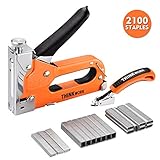
Flip the fabric upside down and place the wooden base in the middle. Create a notch for each corner. Then, using a wood staple, attach the fabric in place. Put staples for every two-inch distance to keep it secured. Do this on all sides, including the edges. Make sure that everything is snug and neatly folded.
To Make the Post:
Buy a wood post that has a size of 4×4 inches. Choose untreated wood for the post as well. If you have 2×4 inches of wood available, you can also use this instead. It’s really up to you to choose how long the post should be. As a basis, measure your cat from the nose to the tail and add a few inches.
Line up the two pieces together and attach them using nails. Make sure that the nails are not exposed in any way to keep your cat from getting injured.
Flip the base upside down and connect it to one end of the post with the carpeted side facing the post. Check if the post is in the middle of the base before attaching both using wood screws.
If you want to make your cat’s scratching post a little stylish, you can add a beveled square top as a topper. Use a 4×4 inches of beveled wood square and attach it to the post with wood glue. This is just optional. You can just cover the top with fabric if you want to keep it simple.
Cover the post with non-toxic wood glue. Wrap the sisal rope around the bottom and secure it using a crown staple. Continue wrapping the rope around the post until you reach the top, or the base of the beveled square topper if it has one. Aside from wood glue, you can also add staples to keep the rope from unraveling. Ensure that the rope is wrapped neatly and tightly together.
To be certain that the scratching post is safe to use, check all hardware like staples and nails. If you see a staple sticking out, flatten it with a hammer.
Cardboard-Made Cat Scratcher – How to Make a Cat Scratcher Out of Cardboard
Another “purrfect” material to use when making a cat scratcher is heavily corrugated cardboard. Why? Aside from being cheap, corrugated cardboard provides a pleasing feeling to cats. Since the ability to shred the material is what makes scratching fun for cats, the texture of corrugated cardboard fits the bill.
What you need:
Corrugated cardboard
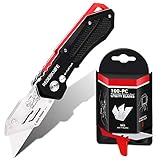
Cutting knife or box cutter
Non-toxic glue
Ruler
Medium to large box or box lid
Catnip leaves (optional)
What you’ll do:
Get precise measurements of the box that you will use. Measure the width and height and mark the cardboard based on the measurements of the box.
Use the marks you made on the cardboard as a guide to cut out rectangles with the help of a cutting knife or box cutter. Repeat marking and cutting rectangles until you have enough rectangular cardboards to fill the box with.
Apply just enough glue on one side of the box or box lid and stick a piece of rectangular cardboard on it to start the process. Apply another layer of glue on the exposed side of the attached rectangle and stick the next piece of cardboard. Continue the process of sticking the cardboard pieces together until the box is filled. You can also sprinkle some catnip leaves on the glue to help attract your cat if it’s his or her first time to use a scratcher.
Let the glue dry before letting your cat play with it.
Final Thoughts
If you have a cat at home, having a cat scratcher is a necessity to keep your cat happy while keeping yourself sane. Although there are a lot of cat scratchers available, knowing how to make a cat scratcher yourself can be quite handy since you can customize it according to how your cat would want it to be.
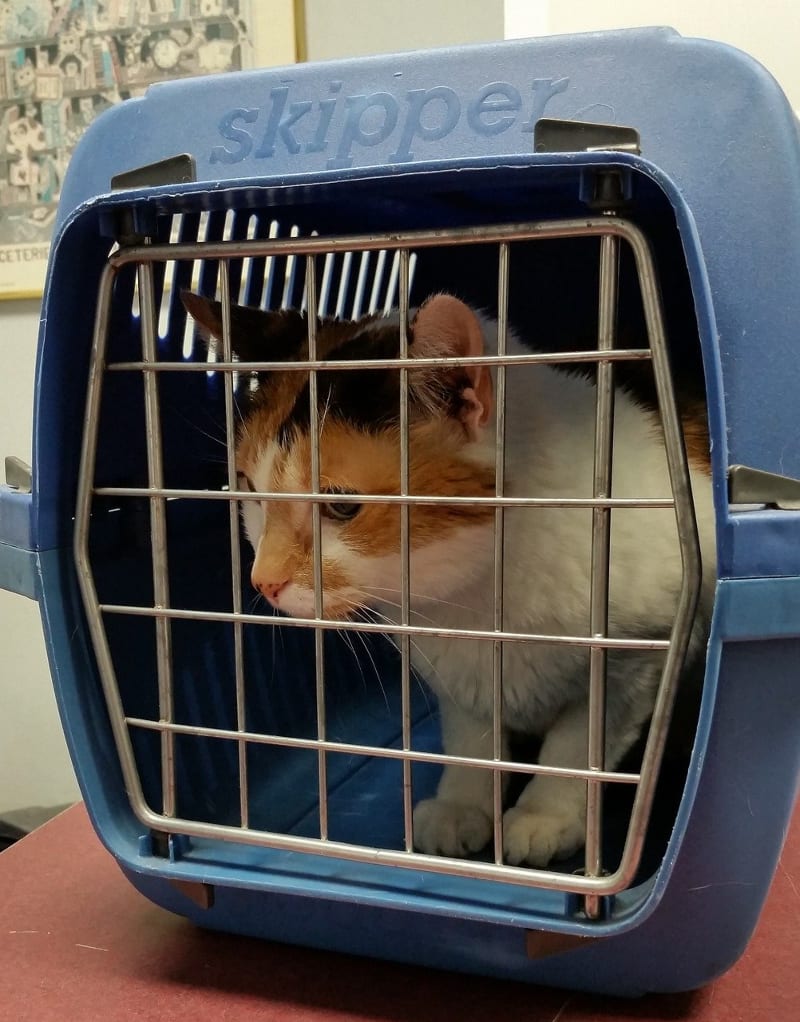
Perhaps the first and the most important thing you should have before owning a cat (or any pet) is a pet carrier. After all, it is the first accessory they will use from the time you take them from the cattery to your home.
When choosing a cat carrier size, make sure your pet has enough space to stand with 1-2 inches of head room. If your cat is fully grown, an easy way to choose a carrier for your cat is find carriers that will fit one and a half times their size.
Solid picks for both hard and soft carrier options
How do you know the right carrier to choose? Should you be getting a big carrier or do you want one that fits the cat snug?
There are a few things to consider with your cat carrier, but more than anything else, you should make sure you get the right size. One that will leave him comfortable during your travel.
Why Do You Need a Cat Carrier?
Cat carriers are an investment that is not just limited to cat owners who love to travel. At some point during your cat’s life, you will have to drive him to the vet, to the park, or to a friend’s house. The carrier will provide your cat that level of security while also making it less stressful for you, too.
Driving or traveling a cat without a carrier can be dangerous for both you and your cat. Cats can get nervous and climb anywhere they can put their claws.
They have a way of crawling under your pedals or on your steering wheel. They might scratch, bite, or distract you and make it hard to drive.
Look at the situation from your cat’s perspective. Cats like comfy, cozy, and being isolated. Ever wonder why they hide out in paper bags and cardboard boxes?
Why Size Matters: Proper Space for Your Cat
Buying a cat carrier may give you the impression that bigger is better. It is not always the case. It is the same with a cat carrier that is too small. Choosing the right-sized carrier isn’t very hard, just allow time to choose the right size.
A carrier too large for your cat gives the feeling of isolation and anxiousness. Not to mention the chances of them being thrown against the sides of the carrier during transport. A small carrier, on the other hand, may not give the comfort they need and want since they may not be able to stretch freely.
It should be easy for cats to stand, sit, and turn around inside their carrier. As a general rule, the cat carrier should be one and a half the size of your cat. A cat carrier that’s extra large will leave them trying to balance as they slide from one side to another uncomfortably.
It’s important to consider a regular-sized one that you think will be appropriate until they reach their adult size. You can also take into account a cat carrier size that includes food and water bowls area, especially if you will be traveling long distances without stopping.
Choosing the Right Size Carrier for Your Cat
Check that the cat carrier is the perfect fit by looking at your cat while inside the cat carrier. Can she stand up without hunkering and hitting the top? Is it hard for her to turn around with ease? If she can, and you are only planning to use it on trips to the vet, then the carrier has enough space.
However, if you are looking for a cat carrier that you can use for long drives with your cat, then there are a few more things you have to consider than just the cat being able to stand up and turn around.
Include Space for Long Travel Extras
For long travels with a cat, you have to take into consideration that there is enough place not just for the cat but for a litter tray, a food bowl, and a water bowl. There are cat carriers that come integrated with these, and if that is more convenient for you, the space is still large enough for the cat.
If the budget won’t allow, a cat carrier that can accommodate your cat and his things will suffice. Since they aren’t a big fan of traveling and live by habit, leaving their comfort zone will make a cat feel very afraid.
Oversized cat carriers will give you a far corner for your cat to hide. The cat veiling too far is because cats love to feel their back against the wall for that sense of security. Imagine how distant that corner would be from the entry point for a large cat carrier.
How Do You Measure a Cat for a Carrier?
We can’t emphasize enough the importance of a cat carrier. If you want to make sure you are finding the right size, you can measure your cat’s length and height (how tall). Here’s how to get the proper measurements.
How to Measure Cat Length
Get the dimensions from the top of its nose to the tip of its tail using a measuring tape. Once you have that, add 4 inches to the measurement you took. For instance, your cat’s nose to tail length is 12 inches – add 4 inches. It will give you a size of 16 inches. This measurement should give you the right range for the best carrier for your cat.
Measure the Cat’s Height
Height-wise, you have to get the measurements from the ground to the top of the head. Check that you add 4 inches to the size you have, and it should give you the right height for the carrier you need for your cat.
You may not be able to find a cat carrier that is according to the size you ended up with but, you can get the one that is closest to the dimensions you have. Be sure to examine the interior aspects while checking out the carrier.
If you are still confused with getting the right size for your cat carrier, there are travel crate size calculator that can help you figure out the right dimensions. Jetpets have their online crate size calculator that will guide you with the minimum size carrier you need.
The size calculator will ask you for:
The dimensions from the top of the nose to the root of the tail
The ground to the highest point of the animal (usually the head)
The ground to the elbow joint, and the width of the widest point of the animal
You also have to consider the facial structure of your cat, whether they are snub nose or not. Traveling local or internationally may require specific cat carriers too. You will get the least size of the cat carrier you need for your tabby after keying in these details.
Can You Carrier-Pool Cats?
It is not a good idea to have two cats in the space of a single carrier. They may fight, tough play, and may end up injuring each other. Ideally, you should get separate carriers if you have multiple cats. If you do need to carry both in a single carrier, then get the biggest crate possible.
Tip: you can look at a dog crate for multiple cats to fit well (since cat options are normally smaller size carriers).
What If You Have A Small Kitten?
While it has been said that the cat should be able to stand up and turn around freely inside the cat carrier and how it should be at least 1.5 times the length of your cat, it is different for kittens.
Baby cats have a significant amount of growth rate. Therefore, when you get a carrier that is 1.5 times larger than your kitten, do not be surprised when after a couple of months, she has outgrown the cat carrier. Eventually, you will have to buy another one.
How to Size a Carrier for a Kitty
If you need a cat carrier for your little kitty, there is an easy way to figure this out. Find out how big she will turn out to be when she becomes an adult. Weigh up on her current size, the amount of time until she reaches the adult stage, and her breed. Talk to a cat expert if you need help estimating how big your cat will grow.
Once you figured out the probable size of your kitten when she becomes an adult, then you can apply the same measurements rule of multiplying her by 1.5. That’s the right carrier size.
It can help to praise your cat with treats when they step into a carrier on their own.
Traveling By Plane
If you and your cat take a trip by plane, be sure to adhere to IATA’s (International Air Transport Association) sized carrier requirements.
Airports do not allow pets to fly unless they are in an approved carrier.
They have a specific size for every pet, and the pet carrier for your cat should have enough space.
Consider IATA-approved carriers based on the specific construction materials, like:
Hard rigid plastic, wood, fiberglass or metal
Ventilation on three sides for domestic travel, four sides for international travel
No part of the pet – nose, toes, or tail should protrude out of top or side of the carrier
Attachments should be secured with metal bolts and nuts
Final Words
Leaving their comfort zone makes a cat feel terrified the moment their gone. Therefore, choosing the right carrier can eliminate any stresses during travel. Cats will think of the cat carrier as their second home or their home away from home. One where they can snuggle up during the ride no matter how far you are going and make way for a nap or two.
The size cat carriers play a significant role in how comfortable a trip can be. Ensure your cat is familiar and cozy, and you will both have an easy, enjoyable trip.
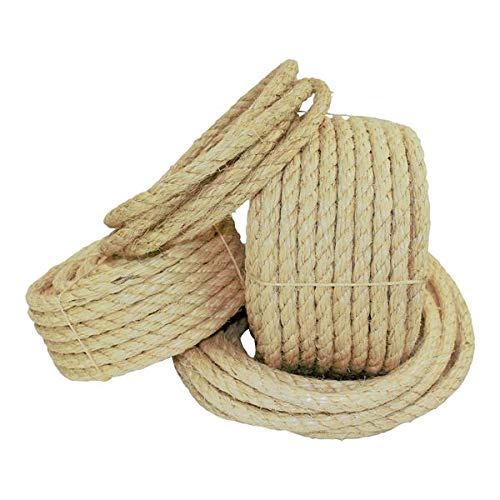
So, you have that DIY inspiration and the cat tree is in need of some tender loving care to replace the old rope. But where to buy sisal rope for cat tree? We’ve compiled a list some of the best sisal material and related products to use for a cat tree makeover.
You an buy sisal rope for your cat tree at your local home improvement store, Home Depot or Lowes. Or you can find it on Amazon. Sisal rope is the best rope you can buy, make sure that the product says “pet safe” before using it for your cat tree.
What Kind of Rope Do You Use For a Cat Tree?
Sisal rope is the top choice for replacement rope material on any cat scratching post or cat tree. Cats love the feel of sisal. Below is a list of different items used to wrap rope on your cats favourite tree or posts.
NATURAL SISAL ROPE – Stiff and sturdy twisted sisal rope made in Brazil, from Agave sisalana fibers. The perfect 100% natural choice for heavy duty indoor and outdoor applications. Great for situations that require a bit of stretch.
ENVIRONMENTAL FRIENDLY – 100% biodegradable organic, untreated fibers. No oils, chemicals, or artificial agents added during the manufacturing process.
INDUSTRIAL STRENGTH – Compared to other natural ropes such as Manila, all-purpose sisal rope is stiffer and able to withstand harsh conditions. Resistant to moisture, abrasion, and all weather conditions. Sisal is the preferred natural fiber for all projects, from marine-bound bindings to tie-downs, repairing/crafting a cat scratching post, and fixed outdoor uses.
WIDTHS and LENGTHS – SGT KNOTS Natural Sisal Rope available in lengths of 10, 25, 50, 100, 600 and 1,000 ft and diameters of 3/16, 1/4, 3/8, 1/2, 3/4 and 1 in.
VETERAN OWNED and OPERATED – Just like the Marine Corps, SGT KNOTS is committed to being the best of the best. We continue to live by the motto, Semper Fidelis—Always Faithful. Our loyalty to our customers is what makes us who we are, and the reason we continue to grow in popularity and product offerings. We promise to maintain the strength and consistency of our products. We also pass down our bulk savings to our customers.
Sisal is a twisted fiber rope thats got a little bit of stretch in it while still providing a stiff and sturdy application
Safe for use with pets (Note: rope may contain a natural scent)
This is perfect for cat scratching posts, bird toys, miscellaneous pet toys, DIY projects and much more
Strong, durable, and suitable for all-weather use
At Golberg we are committed to bringing you the highest quality solutions to your outdoor & survival needs. We stand behind our paracord & our customer satisfaction is a priority. If you feel we have not met your expectations for any reason, contact us and we will do everything we can to make things right
Cats love scratching surfaces and are a lot of fun, but if they are not kept busy, they can do some serious damage to your home. To help keep your cat busy and to help maintain its claws, let’s help you find the best cat scratching mat right now.
So you have a cat and looking for some entertaining cat scratching pads to keep your cat from being bored while you are out working or away.
Along with a scratching pad for your cat you might want to consider a cat scratching post which will help to save your furniture from scratching.
Cat Scratching Pads & Mats (Sisal Rope or Fabric)
M&MKPET Natural Sisal Cat Scratcher
FUKUMARU Cat Scratcher Mat
LSAIFATER Natural Sisal Mat
Multiple Cats Kitty City XL Wide Corrugated Cat Scratcher
Large Size Coching Cat Scratcher Cardboard Scratch Pad
What is the Difference Between Cat Scratch Pads and a Scratching Post?
Pet owners have a lot of options when it comes to keeping the nails on a feline in order and you might be wondering the difference between a cat scratching pad, mat, or post.
The main difference when comparing different scratchers is that a mat or pad usually lays on the floor, while a vertical cat scratching post sits on a base and is raised into the air.
With some options, two pieces will be included – a round vertical scratching post along with a mat that you can wrap around the outside.
M&MKPET Natural Sisal Cat Scratching Mat
If you are looking for additional options other than adding another scratching post for your feline, the M&MK Pet Natural Sisal Cat Scratching Mat is a really good option to go with. Satisfy your cats’ love for carpet and help to deter them to the mat instead.
Backing: non-woven fabric and anti-slip epoxy latex design
Total weight: 2000g /m²
Overall thickness: 0.5(12mm), the backing is plenty sticky enough to keep it from sliding around
Features of the M&MKPET Scratching Surface
The M&MK Pet Natural Sisal Cat Scratching Mat is environmentally and cat-friendly. It has not been treated with any harsh oils, chemicals, or other substances which may harm your cat or the environment around it. Being environmentally friendly and non-toxic is becoming more of a need with pets.
This natural sisal cat scratching mat is made of 100% natural and biodegradable materials perfect for a cat to sharpen their claws. M&MKPET offers this in various lengths and widths, depending on the size you need.
💡IDEA Cats love to scratch a mat with catnip sprinkled on it. This helps with training them to scratch their nails on the pad instead of other places.
More about the M&MKPet Material
This natural cat scratching mat is industrial strength, so it should last quite a while, even if your cat scratches it non-stop. It is very stiff and the same rope used to tie boats to piers, and for many other industrial purposes too.
This means that it is the perfect option for cat scratching posts. They can scratch it for quite some time without it fraying or coming apart.
This is also great for claws because it helps file them down and to keep them sharp, not to mention that it draws your cat’s attention away from your furniture too. The only downside here is that the stiffness and hardness of this makes it a little hard to work with and tie down.
Pros
100% natural and biodegradable
No harsh chemicals used
Very tough and durable
Sharpens and shortens cat nails
Cons
A little too stiff to work with easily
A little difficult to tie down
CIOGO World Natural Sisal Cat Scratching Mat
CIOGO World Natural Sisal Cat Scratching Mat is another good option to go with for cat scratching mat. Here you actually get a cat scratch pad is made from 100% natural sisal (woven) and does not contain any chemical additives. Making it a super cost-effective option to keep in mind.
The cat scratch pad is made from 100% natural sisal (woven) and does not contain any chemical additives. It has the advantages of corrosion resistance, acid and alkali resistance, no static electricity and pressure resistance.
The cat scratch Mat is locked by a high-density sewing machine and your cat will not be able to scratch and grip the mat, allowing your furry friends to stay away from the couch, carpet and any other furniture.
The backing is designed from non-woven fabrics and non-slip epoxy latex, which maintains its position completely during use and is also suitable for underfloor heating.
The rugged construction meets the cats natural scratch instinct and is designed to resist sharp claws and noisy cats! This is a great gift for your cat!
This is a versatile mat that can be used not only as a cat mat, but also as a cat litter mat. Of course, you can also use it as a mat door.
They are also biodegradable, which means that you won’t pollute the planet once you have to throw it out. At the same time, there are no harsh oils, chemicals, or other such toxins used to make this rope, making it totally safe for your cats to scratch and chew on all day.
Keypoints
Buying products that are eco-friendly and animal safe is quite important after all. Keep in mind that CIOGO World Natural Sisal Cat Scratching Mat is approxiamtely 20”* 20” in size.
CIOGO World Natural Sisal Cat Scratching Mat
Pros
Thick and durable
100% natural and chemical free
Very low price
Cons
A little hard to work with
Makes a bit of a mess
Treasborn Durable Cat Scratcher Thick Sisal Scratching Mat
Another good option to go with, Treasborn Durable Cat Scratcher Thick Sisal Scratching Mat works great for cat scratching posts, plus it is perfectly fine for many other purposes too. Here you get a full 100 feet of it for a very low price. It’s quite similar to both of the above options we looked at, but still great none the less.
PREMIUM MATERIAL :Made of high quality and natural sisal , no smell, safe and durable, quality assurance for 180 days.
NO MESS: Instead of the sratching cardboard, this product doesnt left any paper scraps after cat grinding claws.
NATRUAL SLEEPING MAT :Cat loves rest and play on sisal mat, the roughness surface can satisfy their instinct of preference.
THREE LAYERS OF ANTI-SKID: little bump bottom design and double material increase thickness make it not easy to turn over, considerate hook&loop design can fix the position.
MULTIPLE FUNCHTION: It can be used to replace the surface on cardboard or scratching post and cover it on sofa can even protect furniture being damaged. View on Amazon
If we are talking about the best value for the money, this is a great choice to keep in mind. It’s ¼ inch thick and you get 100 feet of it.
Treasborn Durable Cat Scratcher Thick Sisal Scratching Mat is also made with 100% natural fibers, plus it contains no toxins, harsh oils, chemicals, or other such things. It is 100% cat and environmentally friendly. The whole thing can degrade back into its original state once used up, this not creating any additional waste for our planet.
Keypoints
Now, just like with the other options we looked at, this is pretty stiff, so getting wound tight around a scratch post can be a bit of a pain in the butt.
On the other hand, West Coast Paracord Premium Sisal Rope is also very durable due to being so stiff. It should realistically last for several months before needing replacement, plus it does a good job at keeping your cat’s claws off of your furniture.
This rope is also a good option when it comes to other DIY home projects, although beware that it will fray quite a bit and thus make a mess after your cat has scratched it for a while.
Are Cardboard Scratchers Made from Recycled Cardboard?
Yes, you can find many cardboard cat scratcher options that offer recycled cardboard. This can be a great way to help our planet and it is also a safer option for the cat when it is being recycled and processed without added chemicals.
Corrugated cardboard is also one of the best features of any scratching surface because cats can use the space in between the cardboard layers for their nails.
Are Cardboard Cat Scratchers Good?
From experience, my cats love the cardboard feel. Sometimes they will lay on their side and rub it against the cardboard scratcher.
Conclusion
If you are looking for sisal rope to make your own or repair an old cat scratching post, in all honesty, all of the above options are worth the money. They are all quite similar, have the same pros and cons, and they will all help keep your cat occupied too.
The market has saturated us with so many choices for cat litters. There are so many they offer, each of which appeals to different kinds of use. With cats being part of our lives, we ensure they get the best of what they need, including the cat litter for their litter box.
However, there are times when the cost of making sure they have all the best can be too much. Cat litter, for one, is a necessity for a cat that can trigger allergic reactions, not just to them but for their owners, too.
Conventional cat litters are dusty and they stir up a lot of airborne particles that may irritate the nose and can cause sinus and respiratory flair-ups in people. These litters may comprise of additives or odors that can trigger your feline’s sensitive skin or your allergic nose.
Even so, we can not just let them be out of cat litter. Thankfully, a lot of manufacturers have formulated cat litters that are hypoallergenic to both cats and humans. In this article, we’re going to tell you about the best hypoallergenic cat litters.
Cat Litter Allergies
Most cat litters have dust, additives, and fragrances that can be allergens to cats or humans. These allergens are allergy-causing substances. The immune system overreacts to allergens and in turn, triggers allergic reactions.
Allergic reactions can happen almost immediately or over time. Severe or mild. This means that even when the cat (or the human) has not exhibited any allergic reactions instantaneously, the aversion may still develop and show up any moment.
Symptoms of Litter Allergy in Cats
Aside from acting strange towards the litter box, cats may completely avoid it and start doing business in other areas of the house. Felines may also show the following symptoms, like:
Swelling of the nose
Coughing and severe scratching
Itchy skin due to scratching
Runny nose
Keeping off the litter box
Sneezing
Symptoms of Litter Allergy In Humans
Highly fragrant litters do not just cause allergic reactions to cats, but to humans, too. Symptoms of cat litter allergic reactions in humans include:
Sore throat
Scratchy throat
Trouble breathing
Watery eyes
Itchy eyes
Itchy skin
Sneezing
Best Hypoallergenic Cat Litters
Hypoallergenic cat litters are specially designed to keep you and your cat healthy. As your feline uses the litter box multiple times a day, they need one that won’t trigger their allergies. Cats experiencing flare-ups after every visit to their litter box may more likely start to eliminate outside their boxes.
Here are 5 hypoallergenic cat litters that you can try for your sensitive nose and your sensitive cat.
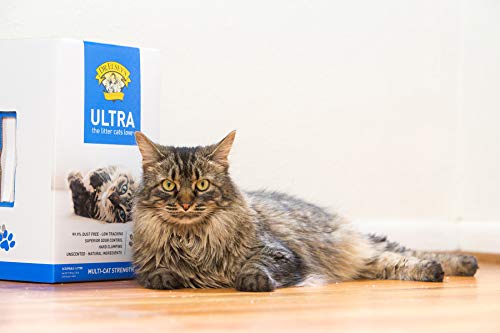
Ultra Litter by Dr. Elsey’s
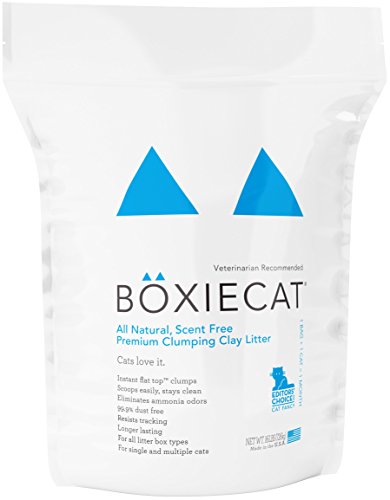
Scent-free Premium Clumping Clay Cat Litter by Boxiecat
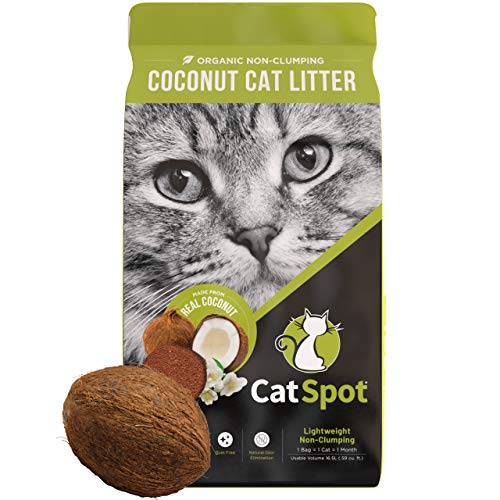
Non-Clumping Formula – Coconut Cat Litter by CatSpot
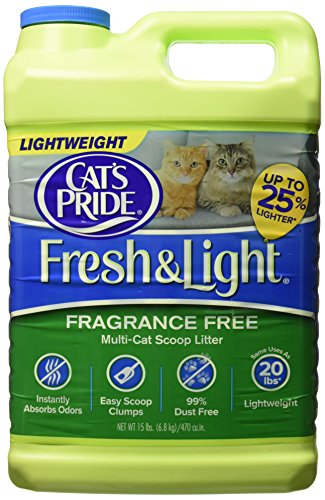
Fresh and Light Premium Clumping Scoopable Cat Litter by Cat’s Pride
Dr. Elsey’s aims to enhance the lives of our pets in which they can enrich ours. They do this by putting their heart and soul, combined with science to produce products that are not just about profit but pets and their well-being.
Among the different varieties of pet litter they offer, their best seller is the Ultra Litter. It has superior odor control and is suitable for multi-cat families. They also work best with mechanical litter boxes with automatic sifting capabilities.
Ultra Litter by Dr. Elsey’s has a unique formulation that joins together the heavy non-tracking granules of their Classic Litter with moderate grain clay. The mixture results in an excellent clumping litter that keeps moisture from getting to the bottom of the tray while running a clump that won’t break down.
This hypoallergenic cat litter is dustless and unscented, leaving you worry-free of kitties or other housemates with allergies. Its strength holds for multi-cats, so it won’t be a problem if you have 2 or more felines.
Ultra Litter by Dr. Elsey’s makes it as our top pick since it is a veterinary formulated, low tracking, and perfect for homes with more than one cat. It is a value for your money with its hard-clumping action that traps both fluids and odor, keeping your house smelling fresh and clean.
Comes in 4 different types and sizes 6.5 lbs Lightweight Clumping Formula 11.5 lbs Lightweight Clumping Formula 16 lb Clumping Clay Formula 28 lb Clumping Clay Formula
Do you know what makes BoxieCat successful with their products? The people behind the brand are cat people. They love cats more than anything. However, there is one thing they don’t like about cats – the annoying situations of litter care. The crumbly clumps, dust, and odors.
This chore brought them to create a cat litter themselves. Since they could not find the solution they wanted in the market, they developed one that is now one of the widely used in households whose members include felines.
Boxiecat Scent-free Premium Clumping Clay Cat Litter uses the Flat Top™ technology that clumps instantly on the top of the litter box instead of soaking to the bottom. This allows for easy scooping and keeping the litter box ultra-clean throughout use.
This cat litter achieves exceptionally low dust levels with its advanced dust suppression process. It takes advantage of the unrivaled benefits of clay but taking on a more hygienic and healthier side. It is widely used and recommended that in 2012, it won the Cat Fancy 2012 Editor’s Choice Award for Best Cat Product of the Year.
Dust-free and unscented, this cat litter is highly effective at nurturing a refreshed, allergy-free, and healthy cats (and cat owner) of all ages.
Pros
Made with natural materials
Scoops easily, stays ultra clean
Eradicates ammonia odors
Resists tracking
For all litter box types
Cons
Particles are too heavy
More expensive than most brands
Clay sticks to paws, leaving paw marks on the floor
Launched in 2016, CatSpot was marketed as an organic, all-natural cat litter brand that uses just one ingredient – coconut. Currently, CatSpot offers two different varieties of their cat litter, the non-clumping, and the clumping.
The good thing about CatSpot is that their products work not just as a cat litter, but as a soil additive for your yard, garden, or your compost bin. CatSpot Cat Litters are all proudly US-made, 100% organic, and biodegradable.
CatSpot’s Non-Clumping Formula – Coconut Cat Litter is exactly what it says it is – organic and made only from coconut. Since the product is all-natural, you can be sure it is hypoallergenic. Its ingredient that comes only from coconut also makes it lightweight.
This cat litter absorbs up to 560% of its weight in liquid in every 5-lbs bag. It says a lot as it absorbs just the same amount of liquid as that of a 20-lbs bag of clay litter. Since it is formulated as non-clumping, it does not hold odor as much as most liters. Its lightweight characteristics also do not tend to track.
Scooping the cat litter daily can last you a good month of use. What’s best about it is that you can easily dispose of the used litter by dumping it to your plants or compost bin as a soil additive.
Cat’s Pride has been around for over 75 years now. Since they started in 1941, when they began selling their first bag of Fuller’s Earth, they have continued to grow and develop. Several years later, the company is now headed by its 3rd-generation president who considers it a personal mission to improve the company.
Throughout the years, Oil-Dri Corporation of America (maker of Cat’s Pride) has remained dedicated to generating innovative and superior products. Their cat litter product is sourced processed, and produced in North America and has its own research and development center just outside of Chicago.
Their groundbreaking cat litter products like Fresh and Light Premium Clumping Scoopable Cat Litter are designed to tackle problems like going through the litter easily and controlling litter box odor. They are cheap and are 25% lighter than most clay litters.
Fresh and Light Premium Clumping Scoopable Cat Litter forms tight and hard clumps that are simple to scoop while locking away odors on contact. They are uniquely designed to trap odor instantly as it absorbs liquid quickly, too. Being an unscented litter, this is impressive in odor-controlling. It is free from fragrant and dyes, making it hypoallergenic for your cats and you.
The idea of natural cat litter, even from some years ago remains fairly new and foreign to a lot of cat owners. However, with its popularity, a lot of brands are joining the ranks of eco-consciousness and sustainability.
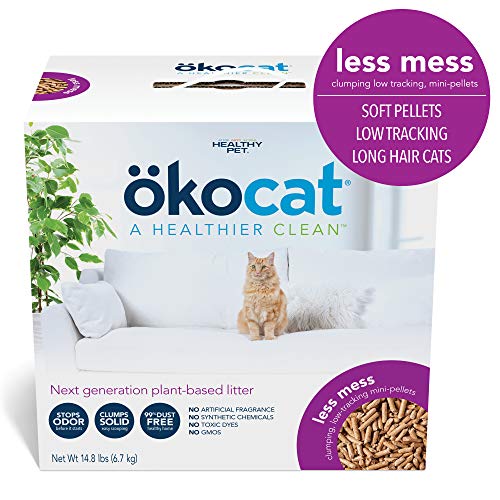
ökocat is one of those brands. Öko” is German for eco or ecological. A fitting name for a cat litter that is from salvaged and reclaimed wood and other environmental materials.
They have six different formulas to choose from. All providing biodegradable and eco-friendly options for cat-owners, for clumping and non-clumping cat litter. All formulations put forward a 7-day odor control technology where cat litter absorbs up to 500% its weight in liquid.
Ökocat, while belonging to a group of eco-conscious brands, stands different since they use reclaimed wood that is lightweight, absorbent, and odor-controlling. This makes them a step ahead from other brands that offer sub-par performance in clumping and odor-controlling.
Its sustainability and biodegradability come from the company’s original recipe that has been achieved for perfection over time. The used timber and lumber materials are protected by a patented technology called Odor Shield Technology. This binds and traps both liquid and smells for longer than most cat litters can.
The odor is usually the biggest allergen from cat litters. Therefore, ökocat made sure they focused on odor control. Even when used in a household with multi-cats, they still hold up to the challenge.
Pros
Works well for long hair cats
Super absorbent clumps
Made from 100% sustainable natural wood fibers
Lightweight and dust-free
Controls odors for 7 days without artificial fragrance
Cons
Feces clumps tend to fall apart more than urine clumps
May track more than natural litters
More expensive than most brands
Benefits of Using a Hypoallergenic Cat Litter
Using a hypoallergenic cat litter instead of the normal cat litters in the market has several benefits for your cat and you. Picking the right hypoallergenic cat litter is favorable for your entire household.
For Cats with Allergies
Kittens and senior cats who suffer from allergies or asthma benefit from hypoallergenic cat litter the most. The litter will keep them comfortable and confident when they do their business.
For Cats with Respiratory Ailments
Some cats are sufferers of respiratory ailment, especially the aging cats. No matter how serious their condition is, hypoallergenic cat litter will be a big help in keeping them healthy and possibly preventing them from flare-ups.
For Humans with Allergies
Anything dusty and scented is potential allergic triggers to humans. This is especially true for people who are suffering from allergic rhinitis or asthma. Hypoallergenic cat litters are formulated to keep you from sneezing and having itchy eyes.
For Sensitive Skin
Cats, just like humans can also have sensitive skin, despite their coat and fur. Hypoallergenic cat litter helps keep their skin from irritation and rash.
For Better Litter Box Use
Litter boxes may be ignored if cats, especially sensitive ones find them uncomfortable to use. This will cause them to eliminate improperly and at the wrong places. Encourage cat litter box use by providing them with hypoallergenic cat litter that will make them feel comfortable and confident to use.
Buying Guide for Hypoallergenic Cat Litter
There are a lot of cat litter brands in the market that claim to be hypoallergenic. However, it is best to keep a keen eye and have a piece of thorough knowledge about the cat litter before buying. Here are some factors to consider in picking the right hypoallergenic cat litter.
Dust-free
A hypoallergenic cat litter should be at least 99.9% dust-free. This helps especially if your cat is a major digger or if they have a habit of kicking the litter. This habit causes a dusty cloud that can cause or worsen allergic reactions.
Material
Find out the best materials that are used in cat litters that will also be compatible with your cat’s sensitivities. If you are thinking of getting a clay cat litter, be sure to get the one that does not contain a huge amount of sodium bentonite. This ingredient is its main cause of dust.
Pellet Size
The pellet size you should pick is dependent on the litter box you are using. For instance, if you are using a mechanical litter box, fine and smaller grains are suitable. Otherwise, if you are using the regular box, and especially if you have a long-haired cat, pellet litter are better. Pellet litters are also excellent in eliminating tracking.
Unscented
The scent, as described too many times triggers a lot of allergic reactions to cats and humans. Be sure to pick one that is unscented or does not have that strong pungent smell.
Disposal
We do not want to add our cat litter to our landfills, right? Therefore, a good hypoallergenic cat litter is that of which is biodegradable and flushable. Look at the label to find out more.
Conclusion
Humans just like cats can develop allergic reactions to cat litter because of dust and smell. However, making sure you have the right hypoallergenic cat litter lessens the possible triggers. The healthiest among the hypoallergenic cat litters we reviewed – Ultra Litter by Dr. Elsey’s, contains all the mildest components that should keep your allergies from being triggered.
FAQs (Frequently Asked Questions)
Q: What is the best non-tracking cat litter?
A: You can’t really control what your cat does when it comes to its litter box behavior, but there are things you can do to address issues like tracking. The most important factor to consider when looking for a non-tracking cat litter is whether they are dust-free if they contain deodorants or fragrances. The best one should have none of that and should be 99.9% dust-free.
My friend sent me a message over the weekend to come over her place, saying it was an emergency. Along the way, I had the worst images in my head of what could have happened.
I pulled up on her driveway to see her sitting on a plant box, with arms flat on her lap, bloodied with cuts. As I got nearer, it became obvious. Her cat turned aggressive on her again.
While she knew it will be another battle of defending her cat against my I-told-you-so-rantings, she went on to explain what happened.
They had an appointment with the vet that day. The cat was at her peaceful spot, and she went to pick her up, no warnings. The sight of the carrier startled the cat, so it started purring and getting aggressive which lead then led to scratching at her.
I wouldn’t blame the cat. I was doing my own thing and my owner comes at me to put me into a carrier. A dark and cold carrier. The claustrophobic person in me sympathized with the cat.
But, it was their vet day! There was no other choice but for her to be in her cage! As impossible as it may seem, that aggressive cat had to get in there!
So, how do you get an aggressive cat into a carrier?
Blame the Cat’s Nerves, But Try to Calm It Down
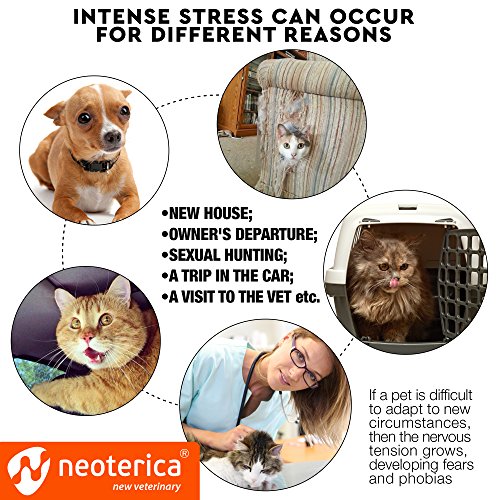
According to research, cats are typically claustrophobic. Once they have identified an item that made them feel constricted, they feel nervous about it.
Maybe why the sight of the carrier freaked my friend’s cat out.
A nervous cat instantly becomes aggressive. This aggression causes the task of putting the cat into a carrier stressful. Mind you, it isn’t just you who gets stressed, the cat too!
Getting Your Aggressive Cat Inside the Carrier
Cats love freedom. The idea of getting them restricted in a box scares them. But, there are instances, like vet day when they just had to be inside the carrier.
Some cats have been accustomed to being put inside the carrier. But, there are still some that can’t see the fun in it, and so they become aggressive.
Try these few tricks that we’ve studied to catch your feline friend contained without getting those nasty scratches.
Get Your Cat Used with The Carrier
Veterinary appointments are scheduled ahead of time. This should give you enough time to get your cat familiar with the carrier.
You can do that by placing the carrier on a spot where the cat sees it, leaving it open for the cat to check out and explore. It does not only get your cat aware of the carrier, but it also gives him the chance to study it.
When you notice your cat getting inside the carrier, treat him for a job well done. Otherwise, try to leave food and treats inside the carrier for the cat to find.
If you see the cat getting inside, try closing the door for a few minutes. After that, open the door and treat them for getting into the carrier fuss-free.
You can also carry around the carrier with the cat inside it. This makes them used to being inside of it and being carried around.
Your cat is not aggressive. Just nervous. So, you need to calm them down to release their anxiety.
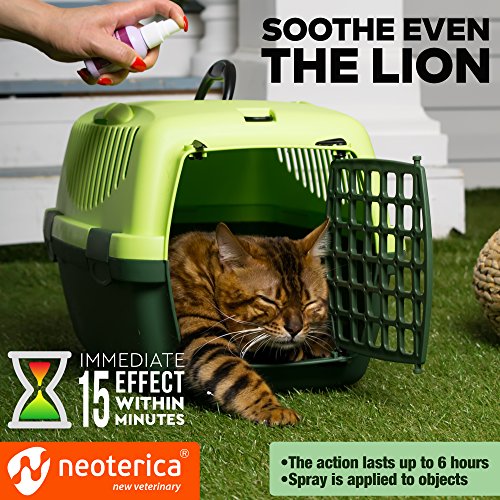
One way to do that is to spray pheromones. Pheromones are what they use to mark their spots. These have a huge effect on their behaviour too.
There are pheromones you can buy at your local veterinary shop to calm your cat. You can spray it inside and outside of the carrier to lower down the cat’s anxiety over it.
Once they smell these pheromones, they start to feel comfortable and calm. However, make sure that the effect is relatively short, so you want to make sure you spray each time you feel like the cat starts to get stressed out.
Take Advantage of their Toys
Remember how you chase off dogs by throwing a tennis ball so far? You can use the same technique with cats, too.
Except for them, they aren’t being shooed away. Most cat owners have a laser pointer. Cats love following that red dot everywhere.
Spend a few minutes playing around with the dot, occasionally pointing inside the carrier for the cat to follow. Your cat won’t notice getting inside a carrier because it is too focused on the red dot.
Burrito Your Cat
If all else fails, a towel can help you with your reluctant cat. The towel should be long and thick enough to wrap the cat.
Long enough to make sure it wraps them securely. And, thick enough to control the cat by the weight of the towel.
Thick towels also help keep you from getting scratched.
Once your aggressive cat is wrapped like a burrito, slide it inside the carrier with its tail first. If the cat is still upset, leave it still wrapped inside and close the door. After all, the cat will surely find its way to get out of the towel.
Remember, Practice Makes Perfect.
The best way to manage the impossible task of getting your aggressive cat into a carrier is to get the cat used to it. If space allows you, you can lay the carrier on a cat’s familiar spot permanently.
This gives the cat enough time to get used to it and lessens the nervousness from the sight of it. Eventually, the cart will get used to it in no time.
Also, consider the kind of cat carrier that is preferable for feral cats. If after trying to get the cats used to the carrier being around and they still won’t cooperate, get the top-loading carriers. Lifting the cat in from the top rather than getting in him from the side will keep your arms and hands scratch (and bite) free.
Whether you are moving to a new apartment with your lifelong companion cat or taking home a new cat to your apartment, tending to their needs will be a huge part of planning your life together. That of which includes where to put their cat trees, cat beds, and of course, cat litter box.
Cat litter boxes are the most complained behavioural concern to vets. It is also for the same reason that some cat owners give up their cats. This would not be a surprise especially to apartment dwellers who share the small space with their cats.
Indeed, it can be a challenging situation for cat owners. But, with the cat litter box positioned strategically, we bet you and your cat will live together for a long time.
Cat Litter Boxes – How Much Do You Need?
Before thinking about where to put the cat litter box, understand just how many boxes you need. Is one enough? If it is not, will you be able to house two?
By rule of thumb, one cat should have one plus extra litter box. Jackson Galaxy, the host of Animal Planet’s My Cat From Hell suggests that new cat owners have at least 1.5 cat litter boxes per cat. That means, if you have one cat, you need two litter boxes, two cats, three litter boxes.
In reality, you can really get away with having just one litter box in a small apartment, if you clean it frequently. Or else, you really should get a second cat litter box. The extra is just to make sure that the cat has somewhere to go if they find the first one unclean.
Finding that perfect spot for the cat litter box, especially if you have multiple cats can get difficult. You can go with fewer litter boxes, but you have to be sure to sift once in the morning and once in the evening.
Or, if you find cleaning twice a day, such a chore, you may invest in a self-cleaning litter box. Such boxes clean up right after each cat’s use. This leaves you spending less time in scooping. Plus, the cat has a clean place to go every time it needs to go.
Spots for Cat Litter Box in a Small Apartment
The limited space in a small apartment will leave you with only a few spots you can put your cat litter boxes. So, be sure you are putting them in strategic spots. We listed down the best locations for you where you can strategically place your cat litter boxes.
The Corner in The Laundry Room
Some apartments may not have a designated laundry room, but if you are lucky to have one, that one corner in it can work. Sure, it will be near your clean clothes, but your clothes won’t be staying too long in the laundry room the absorb any odor. This is also the best spot since it won’t be sitting on a carpet.
The downside is, with cats, you should avoid placing it somewhere with too much noise. Some cats are skittish and the sound of the washer or dryer may prevent them from needing to use their litter box. In this case, the next option is the bathroom.
Next to The Toilet
It’s just perfect sense to put the cat litter box inside your bathroom. After all it is the same business they will do that you have been doing in it, too. Even that tiny space beside or behind the toilet is a great place for it. Although, it can typically only for traditional litter pans since the newer ones have lids that take up more space, height-wise.
The downside is, for cats who are playful and drags toilet paper from the holder. Or, if your toilet is too small to accommodate the size of the cat litter box.
In The Bathroom Cabinet
Most apartment units’ bathrooms have under the bathroom sink ready for a cabinet. Consider this as a unique option by emptying at least a side of it free from the overabundance of toiletries and things you probably don’t need.
Remove the cabinet door and consolidate your bathroom supplies on one side. You should be able to fit a standard-sized cat litter box when you remove the cabinet door. If it is tall enough, you can store a covered litter box to help keep the stench out. Ideal to give your cat their own private bathroom.
In The Linen Closet
Linen closets are obviously for linens, but can also be used for other things like your cat litter box. Usually, there is a small rectangular space on the floor of the closet where the cat litter box can sit perfectly. One that has no carpeted flooring.
You may either remove the door from its hinge or keep it open with a doorstop just so the cat won’t get locked out of their private potty area. Or worst, get locked in.
But, if your linen closet is carpeted, consider putting down some sort of absorbent mat like a micro-fiber rug or special pet mat under and around the box. You may also want to throw in a litter tracking mat in front of the box to keep potential messes and excess litter on the carpet.
In The Garage
Some apartments have accessible garages so that’s another perfect spot to keep the cat litter box out of sight (and smell). If you have a door leading directly to the garage, a pet door can serve as the cat’s access to the garage, too.
This isn’t just giving them a private spot they can use to do their deed but another place where they can focus on their important cat tasks, like sleeping all day.
Should you place a cat litter box in your bedroom?
Your bedroom is a good place for a cat litter box since it’s usually a quiet place. Plus it can smell a familiar scent – your scent. However, smelling the litter box while trying to get a restful night’s sleep may not be to your liking.
Also, as to how they usually say, cats own you so they own your room, too. If it is the same room where they are being fed, be sure to provide the appropriate distance from food and water.
The challenge comes in when you realize you have to keep the bedroom door open at all times. Otherwise, the bedroom door will have too many scratches on it.
If you decide to keep the cat litter box in your bedroom, understand that an open door is critical. First is the access of the cat and second is the smell that will come out of it. You won’t want that smell to be trapped where you sleep. If there is a window you can open, that is better.
You should also consider their bathroom activities such as making noise after eliminating. Most cats bury their waste as an instinctive demeanor. They do this to avoid being detected by predators. Would you be able to sleep through the night when the cat scratches its tray at 3 am?
Can I put a cat litter box in the closet?
If the closet contains clothes, your clothes will end up smelling like cat litter. So an unused closet will be the best option if choosing to put the litter box in the closet. Closets are quiet spaces so it is liking your cat will enjoy this space.
Where are the best places to put a cat litter box?
The laundry room, a second bathroom, or a dark quiet corner. Any space where it’s quiet and your cat will be undisturbed is a great place to put the litter box.
Where Should You Not Put Your Cat Litter Box?
Your first step to determining where to place your cat’s litter box is to find out where not to put it. Some spots in the house are a no-no to cats and you should cross these spots on your list.
Places Where They Can’t Always Get Into
Avoid places where there’s a door that is always closed. You wouldn’t want to leave them out or get them stuck inside.
Rooms Neighbors Can Easily Hear Scratching
Cats are natural diggers. It is part of their instinct to bury their dirt to conceal their scent from predators. You wouldn’t want to disturb your neighbors with your scratching to dig after their business.
Humid Areas
Some litter, especially the organic-based litters have issues growing mold when exposed to too much humidity. There are several negative reviews about mold starting up. This usually happens when the box is in humid areas like the bathroom or places with no proper ventilation.
If there is no other place than the bathroom or the humid space, then it would be nice to get a dehumidifier to get that humidity down when it gets high.
High Traffic Areas
Cats are private creatures. You would not want to disturb them when they are doing their business. Otherwise, they might do their number two in private places – like under your bed. Plus, you also would not like it when they keep track of their litter around.
Less Ventilated Areas
A litter box in a poorly ventilated area leads to one thing – a heck of a lingering odor for you to bear. If cat litter smells bug you big time, your best option is to place the cat litter box near an almost-always open window.
Should we explain more how ventilation can help mitigate lingering litter smells? I guess not.
Check Cat Potty Progress and Adjust
When you’ve finally decided the special place to put the cat litter box, allow for it a few days and see if your cat’s behavior changes. See if they can get in and out of the litter box easily. Is their access not interrupted by laundry, grocery bags, or doors that unknowingly got closed?
If the spot worked out well, then that’s great! If not, it may be better to move the litter box to a more unfailing location. The best way to do that is to gradually move the box to the new location. Do not abruptly change the location and leave the cat looking for the litter box that disappeared.
You can also introduce a new litter box to the new location and allow waste to accumulate in the old spot to make it less attractive. Felines will rather go to a new clean litter box than the old and dirty one they got used too.
Cat Litter Boxes for Small Apartments
Having a cat in a small apartment is possible. It may take you a while to figure out how to fix space-specific matters but you will. Aside from understanding where to place the cat litter box, it is also important to know the litter box that will work for your tiny apartment.
Top Entry Cat Litter Boxes
This is ideal for space-limited places so that you don’t have to put a litter mat around the litter box. As the cat raises himself back up, the tracks get left behind – in the box and not on the floor. Some of the best top entry cat litter boxes are:
Hidden Cat Litter Boxes
Hidden cat litter boxes can save you some space, but not as much as top entry cat litter boxes do. This is because you will need to have litter mats alongside them to keep litter tracks away. If you can work with that, some of the best hidden cat litter boxes are:
Automatic Self Cleaning Cat Litter Boxes
Automated Cat Litter Boxes does not save up space by taking up less room, but it keeps you from needing to use a litter mat. And, it helps you reduce the number of cat litter boxes you need as you don’t have to clean it every time. Some of the best automatic cat litter boxes are:
Final Words
Your cat’s potty habits will depend on their surroundings. They may sometimes feel too difficult to understand and that is because no two cats are the same. It doesn’t matter how big or small your apartment is. As long as your cat feels undisturbed, feels comfortable, and has privacy – they are good.