Tag: food

  • What Beets Can Do For Your Skin and Your Health

    So you’ve heard that beets might be good for you, but you aren’t fully sure how they profit your body? In this post, I will explain why beets are making their way from playing strict salad accompaniments to being part of many main meals for lots of health enthusiasts.

    I am always looking for healthy ways to improve my diet. There has been a surge of cancer-promoting foods in lots of stores, and the best way you can avoid them is by maintaining a natural and organic menu in your home. Yes, I keep a mental menu so I know beforehand what and where I should get my supplies, and when it is time to switch it up!

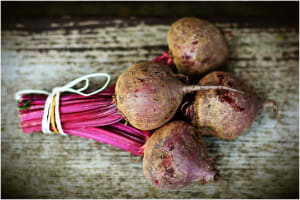
    What do beets have to do with all this? I am glad you asked. It is always exciting when I stumble upon natural foods that are packed full of nutrients that you wouldn’t ordinarily find in your usual meals. Beets are much more than small round root vegetables.

    Beet Benefits To Your Health

    Detox

    Beets have antioxidants that facilitate removal of toxins from your blood – which is good for your kidneys and liver. Some antioxidants even lead to the production of more liver cells that increase fat synthesis in your liver.

    Less Inflammation

    Inflammation happens when your body is fighting off an infection a little too hard. You may experience pain, swelling, discomfort, and redness. Betalains, present in beets, can reduce these symptoms.

    Energy Boost

    Some bodybuilders and fitness buffs prefer beet juice as their pre-workout supplement and here’s why: the nitrates in beets help dilate your blood vessels for better circulation. More circulation means improved stamina and performance.

    Lower Blood Pressure

    Constricted blood vessels make your heart pump harder to distribute blood, and this can lead to high blood pressure. The nitrates in beets turn to nitric oxide in your system, which leads to expanded blood vessels for easier blood flow.

    More Haemoglobin

    Low levels of hemoglobin lead to anemia. The high amounts of minerals and vitamin in beets (especially iron), helps you keep your hemoglobin levels stable.

    Beet Benefits To Your Skin

    Anti-aging

    Directly applying your beets may help you maintain youthful skin. How? The antioxidants in beets fight harmful radicals that damage your skin and lead to lines and wrinkle.

    After peeling one raw beet, cut it up, blend, and then strain the contents. Use cotton balls to dab the juice gently on your clean face. Clean the juice off after 1o minutes. Use a mild face cleanser. Do this once a week, and preferably at night to have enough time for any staining to clear.

    Fewer Blemishes

    Vitamin C does not only even your skin tone – it helps reduce pigmentation and discoloration on your skin. Beets have impressive amounts of vitamin C. Here’s how you can make your own beet mask.

    Hydration

    Applying the beet juice topically can moisturize and soften your skin, especially by getting rid of old and dead skin cells on your face. Don’t forget to drink the juice as well!

    Conclusion

    There are countless benefits to beetroot consumption, but you may also need to take precaution and take them moderately. Too much of beets can be harmful to kidney patients, can lead to low calcium levels, and may lower your blood pressure to dangerous levels if you already have low blood pressure.
  • All about Asparagus: The Age-Defying Vegetable

    If you have always wondered ‘How long do asparagus last?’, you are in the right place. In this blog post, you will learn all about asparagus from how to cook them and how to preserve them.

    I have always wanted to go vegan. When I finally got the courage, I have never looked back. My favorite pastime is going to my local grocery to hunt for new delicacies. Together with beets, Asparagus is my new favorite vegan dish. The only problem is I found myself wasting most of the root. I can only eat the edible part of the plant which is half of it. The other half ended up in the trash until I discovered a secret for getting more out of asparagus.

    What is Asparagus?

    The Age-Defying Vegetable

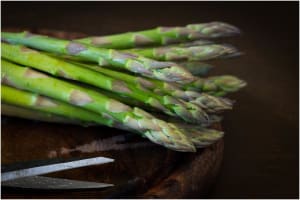
    Asparagus is a young shoot plant consumed as a vegetable. This root plant is a lot different from other vegetables. Most vegetables get harvested when fully grown. Farmers harvest asparagus before it matures into a plan. The shoots are edible at this stage.

    Asparagus resembles a tiny spear hence the name given to its edible form. This plant comes in a grin color with red or purple accents at the shoot’s tip. It is possible to find the vegetable in full white color especially those grown in Europe.

    European farmers grow the plant in banked soil to prevent the green color from forming. This also makes the plant fleshy to eat. There is a variant of asparagus that has an all-purple color. It is still as tasty as the green or white asparagus.

    How to buy fresh asparagus

    Unlike other vegetables, asparagus perishes fast after harvesting. The plant loses its flavor as well when preserved for too long.

    As you shop asparagus in groceries stores, ensure they are freshly stocked. Go for grocery stores that stock their asparagus directly from local farmers. Fresh asparagus has the following features;

    • A smooth and shiny skin
    • The stalk is firm and fleshy
    • Bright green, white, or purple color
    • Compact tip
    • Fresh cut ends

    If it is still difficult to tell fresh asparagus from the head or stalk, always look at the harvested end. You can easily tell if it was recently cut or not. The best grocery stores keep their asparagus chilled or in fresh cold water.

    How do you prepare and preserve Asparagus?

    A lot of people consume the top part of  the vegetable and throw away the rest. While this only leaves the soft sweet part to enjoy, I found that it is possible to enjoy part of the bottom stock as well. It all boils down to how you prepare your asparagus.

    Breaking the soft part off is the easiest way to enjoy this vegetable. What most people do not know is that peeling asparagus allows you to enjoy most of the stalk. The downside is that it takes time to peel the shoot and not many people have the time or patience.

    To peel asparagus, first, you have to cut off the bud from the shoot. Line your asparagus on a flat surface and cut the buds off. It is the fastest way to trim off the dried bottom. If the asparagus is freshly harvested, you do not need to go through this stage.

    The next step is the longest and most tiring. You will have to peel the skin of every stalk. Use a carrot peeler to remove the hard skin of the asparagus spear. This should leave the white-green part  which is soft and sweet to eat.

    You will break a sweat peeling each individual spear. It may be a bit harder if you are working with asparagus that have a soft stalk. In the end, you only throw the peeled skin away leaving most of the spear intact.

    How long do they last?

    How you store your asparagus determines how long they maintain their flavor. The best way to make asparagus last is to keep them dipped in cold water just like flowers. This ensures the stalk does not dry out fast losing flavor.

    An alternative way of preserving it is keeping the vegetable chilled. Wrap the asparagus in a plastic bag and refrigerate. This should keep the shoots fresh for a while.

    Ensure you consume the vegatble when fresh.Though chilling and dipping in cold water keep them fresh, they still lose their flavor with time.

    Benefits

    Asparagus is rich in minerals and vitamins that are necessary to keep the body healthy. these nutrients help fight free radicals in the body that cause aging or malignant growth. This vegetable also helps drain excess fluids in the body. If you want to feel all sweaty after a workout, just consume this vegetable before hitting the gym.

    Asparagus is also a rich source of vitamin C which helps in boosting our immune system. In matters love, this plant acts as a natural aphrodisiac thanks to the rich folate and vitamin B content in it. Want to spruce up your love life, just add more in your salad.

    Final Word

    We hope you no longer have to wonder “how long do asparagus last?”. Keep the vegetable chilled or leave them in dipped in cold water overnight. I would recommend that you consume asparagus sooner to enjoy its full flavors and nutrients.

    FAQ

    What does asparagus taste like?

    When fresh it has a mild earthy flavor. When overcooked or stale it will have a bitter taste

    Are there any side effects of consuming the vegetable?

    Too much of it can give you smelly urine. There are other side effects of eating asparagus but they are not life-threatening.

    How do you eat asparagus?

    You can steam or stir fry it with other vegetables. Roast the stalks if you want a rich smoky flavor.

    Can you eat asparagus raw?

    It is safe to eat the vegetable raw. Add it to your salad and enjoy a healthy meal.

  • What Does Nitric Oxide Do?

    Nitric oxide is a simple but very important molecule found in your body. What does nitric oxide do to your body is an important question to understand because most of your body functions depend on it.

    It’s important for athletes that they train every day so that their body is in great shape throughout the year. This way it helps to improve performance and push harder to achieve goals. Their diet has to contain foods that boost energy levels to train for longer hours and still be healthy. Taking foods that are rich in nitrates for energy, to keep cardiovascular muscles functioning properly, and give enough nutrients.

    What does nitric oxide do?

    Here are some of the cool things nitric oxide does to your body.

    For the circulatory system

    It opens up your blood vessels to allow more blood to be transported throughout your body. As an athlete, you train a lot and the pressure and strain you put on your body mean that your heart needs to pump a lot of blood to every cell in your body so that you can be at your optimum level. Foods like green leafy vegetables and beets are rich in nitrates which your body converts into nitric oxide that helps to lower your blood pressure. These foods also help to improve your exercise performance as an athlete and the health of your heart. It also acts as an anti-inflammatory which prevents your white blood cells and platelets from sticking to the lining of your blood vessels causing a blockage. Click here to learn more about nitric oxide.

    For the central nervous system

    Nitric oxide helps to sharpen your memory and helps you learn by feeding information to the nerve cells in your brain. It also helps in relaxing the muscles of your urinary and reproductive system. Your gastrointestinal muscles relax to help you in bowel movement so that you don’t get constipated or bloated. The tiny quantities of nitric oxide found in the nervous system are responsible for making sure your nerves don’t get damaged and cause a stroke.

    Nitric oxide also acts as a neurotransmitter passing on information to the nerve cells but only for a short time. This way you’re memory is sharpened and the cognitive functions of your brain. If you get a brain injury during your exercises or in the field, nitric oxide can increase blood flow to your brain and reduce inflammationto prevent any permanent damage. It also improves the quality of sleep since your body is relaxed and there is enough blood flowing through your entire body to relax your muscles.

    For your immune system

    Nitric oxide plays a big role in helping the white blood cells fight bacteria and prevent multiplication of viruses in your body. It helps to protect your body from bacteria and pathogens that will make you sick. You don’t have to go to the hospital or take medication, foods rich in nitrates will help fight off any disease and keep you healthy. While nitric oxide can help your immune system to kill cancer-causing cells it can also cause the same cells to form.

    For erectile dysfunction

    Nitric oxide relaxes blood vessels in your penis to increase the flow of blood which is needed to initiate and maintain an erection. The tight clothes that athletes wear can cause you to develop erectile dysfunction because the pressure applied by the clothes and the heat doesn’t allow the smooth flow of blood to the penis.

    Is your question, what does nitric oxide do fully answered?

    As you can see nitric oxide is very useful to your body in many ways. It helps inexpanding your blood vessels so that blood can flow more freely to the entire body helping you exercise for longer and regulate your blood pressure. It helps to protect your body by fighting off bacteria and pathogens that make you sick and you are able to sleep better because your muscles are relaxed and enough oxygen is flowing to your body. Finally, your memory is sharper as the nitric oxide passes information to nerve cells in your body.

    FAQ

    What are the side effects of nitric oxide?

    Taking too much nitric oxide can be harmful to your kidney causing a reduction in your performance because your kidneys are stressed out processing nitrates. If you also have low blood pressure you can experience dizziness or lightheadedness.

    Is nitric oxide good for erectile dysfunction?

    Impotence drugs like Viagra contain nitric oxide. It helps to relax the blood vessels and smoothen the penis muscles increasing blood flow that helps to initiate and maintain an erection.

    What is nitric oxide?

    Nitric oxide is a gas made in your body that helps to increase blood flow to your body and promote vasodilation. Regular blood flow helps to control your blood pressure, maintain an erection, and improve your workout.

    What is the best way to get nitric oxide?

    You can eat vegetables high in nitrates like beetroot, celery, spinach, lettuce, etc. Increasing you intake of antioxidants like vitamin C, E, and polyphenols from fruits, nuts, veggies, and grains.

    Why do bodybuilders take nitric oxide?

    Blood carries oxygen to your working muscles so taking nitric oxide will increase blood flow which helps you work out for longer and aid in faster recovery. The increased blood flow is said to increase the pump of your muscles.

  • Why Are Beets Good for Your Brain?

    Are you looking to enhance your brain power and your performance during exercise? The answer lies with the superfood beetroot. Read on to find the answer for why are beets good for your brain.

    To boost performance during a workout, some people take a shot of beet juice or beet supplements before. Here’s why.

    Why are beets good for your brain?

    The fact that beets increase the supply of oxygen to the brain is the reason you find that those exercising can do it longer.

    For that reason, you can be sure that you’ll harness the full effects of a workout when you take beet juice an hour before. Beets also aid in the regulation of blood pressure and purification of blood, so you can only expect an elevated experience when getting that cardio or strength training in.

    Getting the brain working at optimum is everyone’s wish. We all want to feel that our minds are working at their optimum at all times.

    It helps us not just when it comes to exercises but when going about our business. I would like to know that I can make the best judgment because I am taking care of my brain in more ways than one.

    While I am not suggesting that beets are a wonder vegetable that will give you all these things, it is a useful companion when working on your mind and body.

    Such realities quickly answer the question are red beets good for your body. However, it does no good if you are still hinged to fast food or do not do any physical exercises. To get the full benefits of beetroot, whether you are eating it or drinking a juice, you ought to be prepared to make some changes toward being healthy

    The science behind Your Brain and Beets

    Aging comes with complications that include the diminishing of one’s mental and cognitive functions.

    In some cases the result of this natural process is dementia. Overall, what leads to the decline is when there is a reduced flow of blood and oxygen to the brain. What preliminary results from scientific research show is beets promote dilation of blood vessels, and thus ups the quantity of blood getting into the brain.

    What scientists are also suggesting is that blood flow improves particularly on the frontal lobe, the area responsible for the working memory and decision making.

    While that is what clinical trial are showing, long term results of the same are still to emerge with regards to a beet’s ability to effect change in dementia.

    What is known is that nitrates increase blood flow to the brain and this improving cognitive function.

    A study by Wake Forest University showed taking beet juice supplements before a workout helps an older person’s brain perform better.

    They continue to say the beets cause the brain to mirror that of a younger person. Scientists also found that the nitrate in the beets is what facilitates this change.

    When ingested, the body converts the nitrate into both nitrite and nitric oxide. The latter chemical is what helps increase blood flow and thus improving performance. That explains why beets are so good for you.

    Still on the nitric oxide, as we age, we lose 10 percent of our ability to produce it. Being very aware of this, I have taken seriously to having beetroot as part of my diet.

    I have to be excellent for my clients, and that means keeping up even as the years are progress. Another fact to note about nitric oxide is that it boots immune cells that then kill cancer cells and bacteria.

    Final thoughts

    Beetroots are the ideal partner for those living a healthy lifestyle. I recommend it for anyone who wants to boost their brain function and keep it healthy.

    Beet juice or supplements are also fantastic before your workout; you’ll get the most out of it. You don’t have to believe me or the science- try it for yourself!

    People also ask

    When should one drink beet juice before a workout?

    In two to three hours the nitric oxide levels peak in the system after taking beet juice. So it is recommended that you take it two hours before the workout.

    Are beets good for everyone?

    Overall, beets are considered a superfood. However, there are cases where taking beets can prove to make current illnesses worse. If you suspect you have a health concern or you have been diagnosed with one, first talk to your physician before taking beets.

    Are beets good for memory?

    Researchers at the Translational Science Center in a study found that beets increase blood flow to the specific part of the brain associated with dementia to boost memory. That comes to show that the everyday person can benefit from taking beets.

    How long does it take for beets to clear the system?

    This question is best answered by your stool and urine. When you notice red pigment, you’ll know it’s out of your system.

  • What Makes Beets Different From Other Vegetables?

    The scarlet color and round shape will have you confusing this little dude for a fruit. But are those the only reasons beets are not quite like their fellow veggies? Read along and find out.

    Beetroots have been around for a long while, and not just as food. In the past and unlike many vegetables, they were a legit way to treat problems with the blood and digestion. Science can now explain why they treated such ailments. Among other minerals and vitamins, beets have high levels of nitrates – and here’s how they ‘treated’ blood problems.

    After you’ve consumed beets, the nitrates turn into nitric oxide in your body. Nitric oxide loosens up your blood vessels, making them stretch a bit. This stretch makes your blood flow much easier; which is what we now call lower blood pressure. Beets can help people with high blood pressure – you don’t see that often with other vegetables!

    Let’s not forget the one major difference beets have over their counterparts. Ever wondered what makes the red beet ‘red’ or ‘purple’? It’s their pigment called betalain, which varies in amounts depending on the type of beet. For the individuals whose body can’t break down the pigment, you’re in for a surprise – it turns your poop and urine red, but there is no need to panic.

    Interestingly, the pigment acts as a sort of fungicide for the plant for protection. They also contain lots of antioxidants that are great for your health. The red pigment is a favorite among lots of cooks too, specifically because it makes the beets a natural source of food dye.

    Wait, there’s more?

    The variety in the beetroot family sets this root vegetable apart as well. The red beet is what we are most familiar with, but there are plenty more where it came from, and they have different colors!

    • There are striped beets, and they almost look like candy. This variety is called Chioggia or Bassano, and their uses are more or less the same
    • Golden beets are making their way into the limelight. Unlike the red beets, they are yellow or gold and have a milder but sweeter flavor
    • Unlike the round versions, Cylindra beets are long, cylindrical, and look like carrots. They are also softer
    • Sugar beets are on the whiter side, and their conical shape makes them look like turnips. As the name suggests, they have high levels of sucrose. In fact, so much higher than the other beets that they grow for their sugar. They produce 20% of the world’s sugar
    • On the heavier side, there are the mangold beets. Think of a heavy beet-carrot, and you have the Mangold. Gardeners love to mix this species up and have even heavier or tastier varieties

    Conclusion

    Most people are only familiar with canned beets. For most of us, that was our only experience with beets as children, and it wasn’t delightful. Don’t let that be your only memory with beets. Try them straight from the garden and enjoy the varieties – you will change your mind!

  • Using beet juice as food coloring that is safe to use

    Red food coloring is used on cakes, cookies, and other baked foods to make the food more appealing. Instead of using food additives with chemicals you can opt to using beet juice as food coloring for a more natural punch.

    When it comes to the holidays, I love putting up decorations in my house. And because I like painting and coming up with my own decorations, I make sure the dye I use has no chemicals. I usually make dyes from fruits mostly like beets that have a beautiful red colour or turmeric for its bright yellow hue. It’s easy and fun and I don’t have to worry about getting allergies.

    Beet juice benefits

    Beets are rich in antioxidants, dietary fiber, vitamins, and minerals. Here are some of the health benefits of beet juice.

    Lowers your blood pressure

    Beets contain high levels of nitrates that are converted into nitric acid in your body which expands your blood vessels. This increases the flow of blood and oxygen in your body lowering your blood pressure.

    Detoxifies your liver

    Betaine found in beets is good for your liver. By removing toxins in your body, your liver is able to function better.

    Increases your energy levels

    Drinking beet juice daily gives you more energy  and you’re able to exercise for longer and other physical activities without getting tired. The nitrates are converted to nitric oxide that increases the flow of oxygen throughout your body.

    Helps to maintain your weight

    Beet juice is very low in calories and no fats which make it perfect if you want to lose weight. Just use it to make your morning smoothie and you feel fuller and full of energy the whole day.

    Rich source of potassium

    Potassium is a mineral that is responsible for the proper functioning of your muscles and nerves. Low potassium levels can cause you to feel weak, fatigue, and muscle cramps. Beet juice helps to increase your potassium levels.

    Betanin pigment in beets

    Beet juice has a natural deep red or purple colour and a natural sweetness. They also contain antioxidants that can make an excellent addition to your desserts. Beets contain betalains that are soluble in water. Betanin is a pigment of betalain that gives beet juice the colour red or purple depending on the concentration. It also contains probetanin, isobetanin, and neobetanin pigments. Betanin begins to degrade once exposed to light, heat, or oxygen but is more stable when frozen or used in a dry state. The red pigment is more stable in the acidic environment and rapidly degrade in alkaline situations turning to a yellow-brown colour.

    Using beet juice as food coloring

    Betanin uses

    Red food coloring is an artificial and synthetic dye that has been linked to allergies and hyperactivity in children. Making food dyes using natural ingredients like fruits and vegetables is a much healthier option. You can use beet dyes for your Easter egg decorations, cupcake frosting, your kid’s birthday decorations, and cream frosting on cakes, lip gloss, natural makeup, and many more.

    Other common ways of using beet juice as food coloring would be in soups, tomato products, sugar coatings, ice cream colouring, and making your kid’s sweet candies.

    How to make natural beet food coloring

    Using raw beet juice

    When you juice raw beets you get a deep red dye that gives you a bolder red colour however, you will still have the beets flavour present. A simple way you can make beets food coloring at home would be to cut a few raw beets and slice them in chunks. Boil them in water till they become soft then strain the red liquid to use it as your food coloring. The cooked beets can make a beautiful salad or puree for eating with snacks.

    Another way is to grate or shred raw beets and put them in a strainer or cloth then squeeze the juice from them. You can also juice cooked beets to get the juice. Extracting beet juice can be messy sometimes so be careful and protect your clothes with an apron and your countertops with a plastic sheet. If you don’t want to go through all that trouble of making beet juice you can buy it from your health food store or use the juice in canned beets. Click here to learn how to make food coloring using beets.

    Next time you don’t have to buy food colour, just use beets

    Artificial food coloring can contain harmful chemicals that can cause allergies and hyperactivity in your children and even cancer. However, you can make natural food coloring using fruits and vegetables that your kids can have playing with and learning without having to worry about chemicals. Beet juice has a beautiful red colour that can make red food coloring for your food and decorations.

    FAQ

    Is beet food coloring safe?

    Some artificial food coloring have been said to cause allergies and hyperactivity. However, artificial food dyes and beets are safe but it’s always good to be on the safe side.

    Do dyes cause cancer?

    It’s said that food dyes can cause cancer. Some dyes carry carcinogens while others cause allergic reactions.

    Can you make your own beet food coloring?

    You can use beet juice or beet powder to make red food coloring. Other foods you can use are turmeric or golden beets to make yellow food coloring.

    Can I substitute beet juice for red food coloring?

    The red colour in beet juice has more of a purplish colour and it can be used instead of artificial food coloring. Simply mix to your desired colour hue.

    Is it safe to drink beet food coloring?

    Although it’s not the best thing to drink food coloring is safe to drink beet food colour provided in small doses. Drinking beet juice is safe.

  • What is Chukandar? History, Benefits, and Use

    Chukandar is one of the prized healthy vegetables in the world. In this article, we tell you of its origins, the healthy nutrients it packs, and how it can benefit you in everyday living.

    When I first saw the word Chukandar on a product label, I thought it is an exotic vegetable. Turns out it was the Hindi name for beet, a root I enjoyed on almost a daily basis. After years of relying on packaged beets, I started hunting for farm-fresh beets. Pickled beets were healthy but I wanted the experience of fermenting them myself. When I got the formula right, I have never looked back. In this blog, I share with you the history of beets and the health benefit I get from them each day.

    Where did Chukandar (Beets) come from?

    What is Chukandar

    Chukandar dates far back as 300 BC. The ancient Greeks cultivated beetroot and consumed only the leaves. The Greeks offered the roots as a sacrifice to the sun god Apollo. The Greeks considered beetroot as valuable as silver. It is also rumored that beets were part of the plantation in the hanging gardens of Babylon.

    In Neolithic Europe, beetroot was a popular plant among the early dwellers of the Netherlands. In Early Egypt, beetroot was common vegetation around the Saqqara pyramid in Thebes.

    Beet came in handy in a variety of applications. Not only was it consumed as food, but traditional doctors also used the leaves to bind and dress wounds. Some people used beet as a cure for fever as well as a laxative. In other ancient communities, people believed they could prolong their life by consuming Chukandar.Beet was so scarce as a plant that the Greek considered it valuable as silver. When industrialization started happening, Chukandar became more available. After the 2nd World War, beet became scarce again and one could only buy it as pickled beets.

    Today Chukandar is available in grocery stores and backyard gardens. This plant has several variants but red beet is more common.

    What are the type of Chukandar (Beet) roots?

    Chukandar comes in a variety of colors and sizes. The variants available include

    • Red Beets
    • Chioggia Beets
    • Baby Beets
    • Golden Beets

    Red beets are more popular compared to the other types of beets. They have a great shelf-life and have a wide range of applications. When buying fresh red beets, I would suggest buying them with the green leaves still attached. They are fresher in this state.

    Chioggia beets have unique circular stripes on the inside. They look red on the outside but have a yellow and white tinge inside. They are great if you want to add color to your salads. When cooked, the unique striping usually disappears.

    Baby beets earn their name from how tiny they look. They are beetroot that have not fully matured from the farm. Farmers pull them out to reduce overcrowding on the farm. They still are edible and considered the softest and leafiest of beets.

    Golden beets are a little like Chioggia beets in color. The only difference is that they are golden on the outside and inside. They also do not have the striping of Chioggia beets. These beets are not as sweet as their red variants. They are great for adding color to salad and taste great when roasted.

    What are the health benefits of Chukandar (Beet) root?

    If it were possible, I would consume Chukandar every single day of my life. But then I will have to worry about red colored urine and other major side effects of beet. When consumed in moderation, Chukandar has a host of health benefits.

    • Heart health

    Chukandar is full of nitrates that are healthy for the heart. Regular consumption of beet juice lowers the risk of myocardial disease. Beet improves oxygenation in the blood that travels to the heart muscles. this promotes a healthy heart even in old age.

    • Optimizes blood pressure

    The nitrates in Chukandar also helps in lowering blood pressure. Consuming beet raw or in its juice form helps lower blood pressure within a month. The nitrates convert into nitric oxide which helps blood vessels expand. This promotes ample blood circulation that leads to optimum blood pressure.

    • Can prevent cancer

    Beet is one of the healthy foods that can help fight cancer. Beet juice contains anticancer properties that reduce free radicals in the body. This can help fight breast, skin, lung, and prostate cancer.

    • Promotes a healthy liver

    Chukandar or beetroot is rich in antioxidants that help detoxify the liver. This plant also packs B vitamins, betaine, calcium, and iron which nourish the liver. Beet fiber clears toxins from liver ensuring they do not get to the body. There are traces of zinc and copper in beet which help in generation of new liver cells.

    • Energy

    Boost

    Another of the Chukandar health benefits is giving the body an energy boost. Drinking Chukandar juice just before working out helps your muscle use less energy. Beetntain ingredients that moderate the use of adenosine triphosphate by the muscles. Since you are using less energy even in intense workouts, you do not burn out easily.

    Final Word

    Beet juice has become an important part of my life. Thankfully, I have never had to complain about any side effects of taking Chukandar. I also discovered the option of fermenting beets to reduce the sugar content. This only leaves me with the Chukandar benefits I want without worrying about a sugar spike.

    FAQ

    How many times can I take beetroot in a day?

    About one glass of Chukandar juice a day is enough. If you work out regularly, two glasses a day will do.

    When is the best time to take Chukandar?

    Early morning before breakfast or exercising. You can also take beet juice a few hours before going to sleep.

    Can you take carrot and Chukandar together?

    Blending carrot and beet together creates a powerful detoxifier. This can help knock a few years off your face.

    Is fermented Chukandar good?

    Fermented beet is healthier because it has less sugar content compared to red beet.

  • Chukandar Juice Benefits and Its Side Effects

    Everything you read and hear about the benefits of chukandar says it is the best thing you could put in your mouth, but can you possibly have too much of it? Read on to find out if there are any negatives linked to this super food.

    Beets, or chukandaras my Indian clients like to call it, is a popular vegetable for healthy juices and salads. It has been touted as ‘gold’ where nutrition is concerned. As a nutritionist, I also have to caution my clients against consumption of too much chukandar.

    What is Chukandar?

    Beetroot is the taproot part of the beet plant. It is grown and consumed in most parts of the world and goes by different names in each part. In North America, it is known as the table beet, garden beet, golden beet or red beet. In Chinese it is called Hong caitou, in Spanish it is known as ‘remolchas’ and Chukandar in Hindi.

    Chukandar iscpacked with nutrients and is low in calories. It contains 2% protein, 10% carbohydrates, 88% water and 1% fat. A standard measure of 100 grams of chukandar contains only 43 grams of calories.This makes it a favorite for healthy smoothies, salads and juices.

    Chukandar Health Benefits

    There are many health benefits of chukandar. These include:

    Lowers Blood Pressure

    Chukandar is a great way to lower your blood pressure quickly and naturally. Research shows that drinking a glass of chukandar juice helps to lower blood pressureby an average of five points. Nitrates in chukandar dilate blood vessels which causes blood pressure to drop. Reduced blood pressure also helps heart muscles relax. This effect is observed most clearly 2 to 3 hours after consuming the juice.

    Lowers Bad Cholesterol Levels.

    There are two types of cholesterol. These are low density lipoproteinsand high density lipoproteins.LDLs are considered bad cholesterol and HDLs are good cholesterol. When LDL levels in your body are high, cholesterol builds up on the walls of blood vessels. This could eventually block blood flow from the heart and cause a heart attack.

    Chukandar is very rich in betacyanin. It is this compound that gives it its deep red color. Betacyanin is a very powerful antioxidant which reduces oxidation of LDL cholesterol (bad cholesterol) and inhibits LDL cholesterol deposits on the walls of the arteries. This is how chukandar protects from heart attacks and strokes.

    Crucial For Normal Fetal Development

    Chukandar is one of the richest sources of folic acid which is usually given to expectant mothers in form of chemical supplements. Folic acid is responsible for normal development and formation of an unborn baby’s spinal cord. It therefore prevents irreversible medical conditions like spina bifida. This is a defect where a child is born with the spinal cord deformed at the base. Chukandar also helps to boost energy in pregnant mothers who often complain of excessive fatigue.

    Side Effects of Chukandar

    Chukandaris indeed an exceptionally nutritious vegetable. Despite this, you could experience some negative effects as a result of consumption of large amounts or if you are predisposed to certain conditions associated with it.

    Beeturia

    The key symptom of beeturia is pink or reddish urine. It is caused by consumption of large quantities of chukandar over a short time. Although it is harmless, it can be quite disturbing for someone who is not familiar with it because it appears to be bloody urine.

    Kidney Stones

    Chukandar is very high in oxalate. Kidney stones are formed when certain types of minerals such as calcium, combine with oxalate to form stones in the kidney. If you have a history of kidney stones then consumption of large quantities of chukandar may cause a recurrence. If you already have kidney stones then chukandar is likely to make the condition worse.

    Sudden Drop in Blood Pressure

    Chukandar is praised as an effective, natural way to drop blood pressure in hypertensive people. In this case it is very useful. In situations where your blood pressure is already low, drinking a glass of chukandar juice further lowers it and could lower it to unhealthy levels. Low blood pressure is not considered dangerous until one displays symptoms such as fatigue, blurry vision, dizziness and fainting.  In severe cases it could be fatal because the brain and other organs are deprived of blood flow, oxygen and nutrients.

    Conclusion

    Chukandar is among the most nutritious vegetables you could eat. It is packed with vitamins, minerals iron and a host of other beneficial compounds, not to mention an impressively low calorie content. There is no debate about the benefits of chukandar. There is debate however, on how much chukandar is too much. Research has shown that there are some negative side effects associated with excessive consumption of chukandar. Some nutritionists recommend a glass of chukandar juice every day while others say that is too much. It is best to seek individualized advice from your doctor on just how much your body can take.

    FAQ

    Can chukandar cause kidney damage?

    If you have had kidney stones before, oxalate in chukandar may be cause recurrences.

    Should I worry about beeturia?

    Red or pink urine after eating chukandar should only worry you if it happens every single time you eat them. If it does, this is a sign of iron deficiency which you should be treated for.

    How long does beeturia last?

    Traces of chukandar in the system last between 48 and 72 hours. If you notice a pink or reddish color in your urine or stool within this time frame, it’s probably the chukandar. If it has been longer than that since you ate chukandar, there is reason to visit a physician.

    Chukandar gives me a running stomach. Is that normal?

    Some people cannot digest chukandar. Eating even small amounts causes slight to severe stomach problems like diarrhea, vomiting or stomach cramps.

    Is chukandar a laxative?

    High soluble fibre content in chukandar helps digested food move faster along the digestive tract. It is commonly used to relieve constipation.

  • What Happens When You Eat Raw Beets?

    When it comes to food, most are nutritious and healthy. The biggest risk you’d probably have to deal with is a painful and full stomach from over-indulging.

    With some other foods though, you have to watch your intake. So what are the good and bad effects that are present with beet consumption?

    Lots of people enjoy eating raw beets. I know I do and here’s why: Cooking destroys most nutrients, especially if you extend the period the food spends on the stove.

    Since you cannot eat everything raw and cooking adds the flavor to your meals, you have to strike a balance, and this is why salads are good for you.

    Whether you take your raw beets in your salads, slaws, blended or juiced, there are a couple of things you need to know about taking this vegetable raw. There are the positives and the negatives.

    Positive Effects of Eating Raw Beets

    1. Improving your blood pressure

    Just one glass of beet juice can lower your blood pressure in a couple of hours and by a few points. The nitrates in beets turn to nitric oxide in your system which then dilates your blood vessels. Better blood flow means less blood pressure for you.

    2. Detoxification

    Pigments present in beets help excrete toxins from your body. This is good news for your liver and your blood.

    3. Packed with Nutrients

    Vitamins C and B folate, fiber, manganese, and potassium have various advantages like improving your immunity, supporting your digestion, and boosting your muscle and nerve strength.

    4. Providing Energy

    Studies reason that the energy boost you get when you take your beet juice pre-workout is due to the lowered blood pressure. The nitric oxide formed from the beet’s nitrates will enhance your ability to handle high-intensity exercises.

    Negative Effects of Eating Raw Beets

    1. Low Blood Pressure

    If your blood pressure is already low, then beets are not good for you because they will cause further dips in your blood pressure, and that can have dangerous effects.

    2. Increased Blood Sugar

    Of all vegetables, beets rank highest on the sugar content. If you have any issues with your blood sugar levels, it is advisable to avoid beets or at least talk to your doctor before including them in your diet.

    3. Excessive Beet Intake

    Taking your beets in high quantities may do more harm than good. Beets are rich in magnesium, copper, iron, and phosphorous. Taken in high quantities, they can accumulate in your liver and harm it along with your pancreas.

    High levels of oxalate that are present in beets may lead to gout in some cases. The high levels of nitrates can also be dangerous for pregnant women and the fetus.

    4. Negative reactions

    Many people have various reactions to all types of food, like gluten, for example. It is also possible with beets. You may experience an allergy, which may show with hives, rashes or itchiness.

    Other reactions may be gastrointestinal. So look out for any constipation, bloating, flatulence, and stomach discomforts when you include beet in your diet.

    Conclusion

    Like many vegetables, beets are very nutritious and healthy. However, should you notice any side effects when you take them on, don’t hesitate to cut them out of your diet. To be on the safe side, consult your doctor to decide on the levels of beets that are good for you.

  • How Big Should a Cat Carrier Be?

    Pet carriers really are great tools to have if you are a cat owner. When it comes down to it, cats are pretty rambunctious, independent, and they don’t follow orders too well.

    They are not like dogs that you can just stick in the car and go for a drive. Cats need to be in good cat carriers, and this is true whether you are going on a long drive or taking your cat on a plane.

    However, one thing which many people seem to have trouble with is buying the right size of cat carrier for their needs, which is what we are here to help you figure out today. So, how big should a cat carrier be?

    Are there other features or factors to look for when selecting a cat carrier?

    Does Cat Carrier Size Matter?

    Yes, the size of the cat carrier you get does matter, and it matters quite a lot. Now, what is obvious is that there is such a thing as a cat carrier that is too small. Yes, you want your cat to have enough room on the inside of the carrier to be fairly comfortable.

    At the very least, the cat should be able to stand up without banging its head on the top of the carrier.

    Moreover, the cat should have enough room to at least turn around comfortably. Remember, this is a cat carrier, not a prison cell being used as punishment, so the cat should have a decent amount of room.

    However, is there such a thing as a cat carrier that is too large? Yes, of course a cat carrier can be too large. In terms of the cat itself, a cat carrier that is too large may not be ideal, especially when it comes to car travel.

    The reason for this is because you will end up having your cat bounce around the interior, banging off the walls, if the carrier is too large.

    Next, in terms of your own sanity and muscle power, simply put, a cat carrier that is far too large is going to be hard to transport, especially if you have one of the heavier solid shell cat carriers.

    So yes, size does absolutely matter in terms of your cat and the cat carrier. Either too large or too small are not good.

    How Large Should the Cat Carrier Be?

    As mentioned above, a cat carrier should be large enough to comfortably house a cat so it can stand up and turn around, but not so large that it is hard for you to carry or leaves the cat with too much room on the inside.

    Something else you want to keep in mind is that putting more than one cat in a single carrier is also not a good idea.

    Cats can get nervous and testy inside of cat carriers, and this can end up in fights and other problems between multiple cats.

    So, if you are thinking of getting a pet crate or carrier that can fit all of your cats at once, this should be avoided, and instead, you should get multiple carriers, all of which are just large enough to fit each cat with relative comfort.

    Car Travel vs. Airplane Travel For Your Cat

    Another point that you need to keep in mind is that there is a difference between cat carriers for airplane travel and those for car travel, or to put it in other words, certain cat carriers are better for one form of transportation over another. In terms of car travel, you could go for a hard shell carrier.

    Hard shell carriers are good for car travel because they have hard walls, and therefore, in the event of an accident, or even just if you hit the brakes a bit too hard, there is at least a layer of protection between the cat and the windshield or doors.

    Moreover, hard shell carriers tend to be a bit easier to secure to car seats or to put in the rear. Furthermore, when it comes to car travel, you can probably afford to have a pretty decent size carrier.

    On the other hand, if it is airline travel we are talking about, you want to go with something smaller. Keep in mind that room on airplanes is limited, so a large cat carrier is not going to do.

    Also, airlines, specifically the TSA, have some strict rules regarding this kind of thing, especially in terms of the size and build.

    When it comes down to it, the only real option you have here is a small and soft-walled cat carrier. It should be a soft carrier either way for airplane travel, as they tend to be a bit more comfortable and easy to carry.

    However, if the cat has to travel in the cargo hold, you will want a hard shell airline approved carrier.

    Other Cat Carrier Features to Look For

    There are a few other things besides the size of the cat carrier that you want to look for, so let’s go over the most important considerations right now.

    • Make sure that if you have a soft shell cat carrier, that it comes with a good base, something to keep the floor from collapsing, as well as some sort of design to keep the walls from collapsing
    • Whether you get a hard or soft shell cat carrier, make sure that it has some kind of soft bedding so your cat can be comfortable for the duration of the journey
    • No matter what the carrier is like, it should always have plenty of mesh or slits for ventilation and light. You can’t keep your cat in an airtight and dark box
    • A good cat carrier should always come with some sort of handles and straps for easy carrying

    Conclusion

    There you have it — more or less everything you need to know about the size of cat carrier you should get and why it is important.  Check out this article here.