Tag: food

  • Different Ways You Can Consume Your Beets

    Some love them raw while others love them cooked. Whichever way you prefer to have your beets, it wouldn’t hurt to learn a few more tricks you can use to implement them in your diet.  Besides, who says you can’t have a little fun with them while at it?

    I love healthy meals. Give me anything fresh, natural, and organic, and I will find a great (and even quirky) way to include it in my meals. There’s nothing as boring as eating the same meal over and over again. Have some fun in the kitchen and with the food-preparing process; there are countless options available online. One vegetable I enjoy playing around with is the beetroot.

    If you’ve only bought canned and jellied beets, it’s only fair if you never thought of trying them ever again. Fortunately, they will serve you much better in their original state – as small, red and hard balls straight from the garden. They smell pleasantly earthy and are surprisingly sweet too – in a mellow way.

    To get to their delicious parts, you have to skin the beet first. The skin is very thin, making it easy to peel off when raw. Keep in mind that beets will stain everything they come into contact with: Your fingers, your dishes, and even your digestive tract will go scarlet! However, the staining is safe, and you can roast them just slightly if you want fewer stains. Use a paper towel to rub the skin off once they are tender after roasting. I prefer them raw.

    Awesome Ways To Eat Your Beets

    Raw

    This is a quick and nutritious way to have your beets. Peel and slice them thinly then add the juice of one lemon and a pinch of chile powder for a spicy, crunchy, and tangy combination. You can replace the lemon juice with lime, depending on your preference. Play around with them!

    Pickled

    I like to keep it simple with my pickled beets. Roast them until cooked (if you want them crunchier in the end, don’t let them cook completely). Slice them thinly while laying them in canning jars with a few lemon onions and the vinegar of your choice. I prefer apple cider vinegar since it is sour and sweet. I eat them from the jar after pickling them in the fridge for three days.

    In Your Salads

    Once your beets are roasted and peeled, you can add them to your barley and feta for one unforgettable mouthful of a salad. You can play around with other grains and the amounts of each ingredient as you wish.

    Dessert

    Depending on the proportions of beets you use, you can go all scarlet in your cakes and brownies by adding lots of beet puree to your icing (make the puree by blending cooked beets).  You can even use them in your ice cream.

    There are many other ways to include beets in your recipes. You can combine them with grains and greens for your family, include them in the famous goat cheese tart, make a yummy and crunchy slaw with carrots, and even crispy beet chips for movie night. Have a look at a couple of ways you can have fun with beets!

    Conclusion

    Your beet choices are endless. Once you have tried out all these different beet recipes, you can finally decide if you have a favorite way to prepare your beets, or whether you are stuck with them all!

  • How to Get Sugar From Red Beets or Sugar Beets

    Sugar from beets is an alternative sugar that tastes different than the sugar from sugarcane. You can make your own sugar from beets but you have to know how to get sugar from red beets.

    Red Beets

    Beets are root veggies that have the highest sugar content compared to all vegetables. They also contain lots of antioxidants, vitamins, and minerals that give you a healthy and nutritious meal when added to your diet. With beets, you don’t have to worry about consuming too much sugar. Red beets are mostly used in salads, making beet juice, or for beauty. However, there is another type of beet which is white called sugar beets that are used to produce sugar. Beets have the following benefits.

    • Help in fighting inflammation with the help of betaine, a nutrient found in beets. It helps to protect your internal organs and cells, prevent chronic diseases, and enhance your performance.
    • Beets contain betalain pigments that are helpful in detoxifying your body. Beets remove all the toxins in your body and make it easier to excrete the harmful waste purifying your blood and liver.
    • They are very high in minerals like manganese that helps support your bones and kidneys, potassium that is good for your muscles and nerves. Vitamin C which boosts your immunity and folate that is good for preventing birth defects in newborns.
    • Beets pack a lot of dietary nitrates that are converted into nitric oxide that helps lower your blood pressure. It dilates your blood vessels increasing blood flow and oxygen to your body.

    Sugar beets

    Image:pixabay.com

    Red beets are red because of betalain pigment which is eliminated in refining white sugar. And sugar is mostly got from sugar beets, not red beets.Sugar got from sugar beets is quite different. It has a more earthy smell and a slightly veggie taste. Hemoglobin is a protein found in your red blood cells that is responsible for carrying oxygen to your entire body.

    However, it’s much easier to extract sugar from beets than extracting hemoglobin. Although it’s a human protein it’s also found in plants and especially sugar beets. Sugar beets are elongated and look more like white potatoes. Sugar beets aren’t really meant for human consumption. Once you make the sugar what is left can be fed to your livestock.

    How to get sugar from red beets

    It’s easy to make sugar from sugar beets that don’t require you to have the machinery to do it. Here is how you do it.

    1. Wash your beets thoroughly to get all the dirt and debris from them. To get 1 cup of sugar you will need 10 pounds of sugar beets.
    2. Dice, shred, or slice thinly the beets and put them in a big pot.
    3. Add enough water that will cover the beets.
    4. Bring it to a boil then let it simmer till the beets become soft and tender.
    5. Remove from the heat then using a cheesecloth strain the beet pulp from the juice. Then return the syrup back in the pot.
    6. Hold the cheesecloth with the pulp over the pot and squeeze out as much water as you can.
    7. Let the liquid simmer till the liquid becomes a honey-like thick syrup. Keep stirring frequently till you get the right consistency.
    8. Remove it from the heat then place it in a container and let it cool.
    9. Once it cools the sugar crystallizes. Remove the crystals and smash them using your fingers to a powder that resembles sugar particles.
    10. Now it’s ready to be stored and used like regular sugar.

    Sugar beets contain 15% sugar content while regular beets contain 5% sugar. The sugar you’ve just made is raw or brown sugar which means it still has its molasses so it won’t taste anything like regular sugar.  Click here to learn how to get sugar from sugar beets.

    Now you know you can take beet sugar as an alternative

    Red beets contain 5% sugar while sugar beets contain 15% sugar which means you can only get sugar from sugar beets, not red beets. Apart from the industrial way of extracting sugar from beets, there is a simple way of learning how to get sugar from red beets or rather sugar beets. It’s simple and you can do it at home.

    FAQ

    What is better beet sugar or cane sugar?

    The molasses in beet sugar isn’t suitable for human consumption but the cane sugar the molasses is left in the sugar. Cane sugar also caramelizes better than beet sugar.

    How many sugar beets make a pound of sugar?

    You use 12 sugar beets to get one pound of sugar. It has nutritional value and has a sweet taste just like cane sugar.

    Are sugar beets the same as beets?

    Sugar beets are white and large and are mostly processed to make sugar not to eat as a veggie. However, they’re the same as your garden beets and from the same species.

    What does sugar beet taste like?

    Sugar beets taste like a white potato with sugar when raw. They contain more sugar content than the red beets.

    Can you make sugar from red beets?

    Sugar is mostly got from sugar beets, not red beets. Sugar beets are white, not red and they don’t contain a red liquid.

  • How Many Calories Are in Pickled Beets?

    Beets may not be at the top of your favorite vegetables to eat but they have nutrients your body needs. Pickled beets are rich in nutrients, carbs, and no fat but how many calories in pickled beets make it healthy to eat?

    I love eating beets but the one thing I still find hard to eat is the pickled beets. I don’t know why but I guess it’s because of the sodium taste in them – it has a way of unsettling my stomach. Then a friend showed me how to reduce the sodium in the beets which have made all the difference. Now I eat pickled beets at least once a week with salads.

    Beets are root vegetables that can be canned to extend their shelf life. Beets don’t stay ripe for long so pickling them is a very good option. Depending on the pickling method you use you can either increase or decrease the nutritional value of the beets. Canning the beets yourself gives you the freedom to choose what to put in the recipe ensuring that you reap nutritional benefits.Click here for more on calories in pickled beets.

    How many calories in pickled beets?

    Nutrition facts per 1 cup serving.

    • Calories – 148
    • Protein – 1.8g
    • Total fat – 0.2g
    • Saturated fats – 0g
    • Monounsaturated fats – 0g
    • Trans fat 0g
    • Polyunsaturated fat – 0.1g
    • Potassium – 261mg
    • Cholesterol – 0mg
    • Sodium – 338mg
    • Total carbohydrates – 37g
    • Dietary fiber – 1.8g
    • Sugars – 25g
    • Vitamin C – 2.2%
    • Iron – 5.2%
    • Vitamin C – 8.7%
    • Calcium – 1.9%

    Pickled beets contain high levels of sodium and depending on the brand you buy it also contains lots of sugar so eat in moderation.

    Ingredients in the pickled liquid

    Vinegar is the main base liquid used in pickling but other ingredients are also put in the liquid. These ingredients can make or break the nutritional value of the end product. Some people put lots of sugar to add flavour but that only increases the calories and not the vitamins or minerals content. If you don’t like vinegar as the base liquid you can use the water you boiled the beets in.

    Add some olive oil to enhance the taste with some vinegar, honey, salt, and pepper and you’re good to go. To add more flavour and boost the nutritional value of your pickled beets you can add onions for fiber and vitamin C. Spice it up with some cinnamon and cloves. These spices are antioxidants that help protect your cells from chronic illnesses and cinnamon helps to lower your cholesterol levels.

    Weight control

    With 148 calories per cup serving, pickled beets contain higher calories than most plain veggies. If you eat too many calories than your body is able to dispose of, you are at a risk of being obese which leads to high blood pressure. Depending on how many calories in pickled beets you get per serving, without the sugars, you only get 69 calories per cup of canned beets.

    Carbohydrates

    Your body needs carbs as the primary source of fuel, and as an active person, you need to consume lots of carbs. Pickled beets contain 37g of carbs per cup serving making them a good source of carbs. Pickled beets also make a great choice for a post workout meal.

    Good source of dietary fiber

    Pickled beets are a good source of dietary fiber. For a cup of sliced pickled beets, you get 6 of dietary fiber which is good for your digestive system. It also helps to stabilize your blood sugar levels. Fiber is a ‘good’ carbs and sugars are considered to be ‘bad’ carbs because they raise your blood sugar levels. So there needs to be a balance between your good and bad carbs.

    High in sodium

    A cup of pickled beets contains a lot of sodium much more than your daily limit. Eating foods that are high in sodium can raise your blood pressure levels which can cause you to develop cardiovascular diseases. Most vegetables have low sodium levels and unsalted cooked beets only have 52mg of sodium per cup. If you’re going to eat pickled beets it’s advisable to eat them in moderation to avoid having too much sodium in your body.

    FAQ

    Are canned beets as healthy as fresh beets?Canned and fresh beets contain the same nutrients except for the sodium in canned beets. Most people think that frozen or canned vegetables and fruits have less nutritional value than fresh foods which isn’t true.

    Are pickled beets good for weight loss?Beets are rich in dietary fiber and contain no fat which is good if you’re trying to lose weight. They also contain magnesium which promotes the proper functioning of your nerves and muscles.

    Can you eat too many pickled beets?Pickled beets contains a lot of sodium which can accumulate in your body and affect your cardiovascular health. Eating them in moderation is recommended.

    Are pickled beets good for your liver?Beets help to detoxify the liver by increasing oxygen to the blood. They also help to remove toxic waste and cleanse the liver.

    Are pickled beets low in carbs? Beets are a bit high on carbs compared to other non-starchy veggies. To fit in your low carb diet you can take half a cup of beets.

    Final thoughts

    Pickled beets are delicious and contain loads of health benefits. Pickled beets have a longer shelf life than fresh beets and still retain their nutritional benefits. Your body uses carbs to carry out its daily activities and pickled beets contain 37g of carbs. Most of the calories in pickled beets are in the small amounts of fat, proteins, and the large part being carbs.

  • Dazzling Benefits of Beet Kvass

    Chances are you may have never heard of fermented beets if you are reading this. It’s no secret that foods like beets are great for your well-being!

    Benefits of beet kvass include improved blood flow, a healthy source of probiotics, a natural energy booster, and enough nitrate content to help blood pressure. It also contains a ton of vitamins and nutrients for good heart health.

    Beetroot juice can be an awesome way to build health and wellness into a routine solely by food intake. Beets are commonly known as a superfood and using them for good gut health is a huge plus.

    What Is Beet Kvass?

    Kvass is a fermented beet juice traditionally made in central and Eastern Europe. The original version of kvass is made from fermented rye bread. Many versions of kvass have been developed over the years including kvass made using beets.

    The benefits of fermented beets is created by friendly bacteria (Lactobacillus bacteria). Beet kvass has a briny, tangy flavor which is definitely an acquired taste. It can be flavored using ginger, mint, oranges or strawberry.

    Easy Beet Kvass Recipe

    Ingredients

    • 3 to 4 medium sized beets
    • 1 to 2 teaspoons of sea salt
    • ¼ cup of whey (optional). If you use whey, reduce the amount of sea salt by half.
    • Optional flavorings such as orange peels, lemon, ginger or spices.
    • Spring/bottled water.

    Things needed from the kitchen:

    • 1-quart jar with a canning or plastic lid
    • strainer

    Process:

    • Clean the beets thoroughly and chop the tops and tails off.
    • Peel the beets
    • Dice the beets into medium sized chunks (½ inch cubes).Be careful not to dice them too small because this will make the fermentation process happen too fast and cause production of alcohol.
    • Place the beets in a clean jar.
    • Add the salt and flavoring of your choice
    • Add water. Cover the beets with water leaving one inch of space at the top of the jar.
    • Cover the jar.
    • Let the beverage ferment. Leave the jar to stand in room temperature for a few days.
    • When it is ready, strain out the beets and put the kvass in the refrigerator. You can start drinking it immediately but it is best after being in the fridge for 2 days or so.

    Purpose of Key Ingredients

    Sea salt: This salt is unrefined. It is completely pure, exactly as it was found in nature. Do not use iodized salt because iodine may interfere with the fermentation process.

    Whey: This is a thin whitish or yellowish liquid formed in the process of making cheese or yoghurt.When making beet kvass, whey is used to speed up fermentation but it changes the flavor of the drink. Some people prefer to leave it out altogether so they can have the natural flavor of fermented beets and nothing else.

    Spring water: Tap water is likely to contain chlorine which could interfere with the fermentation process. If you don’t have access to spring water, boil tap water and let it cool completely before using it.

    Health Benefits of Drinking Beet Kvass

    There are numerous health benefits of beet kvass. These are a few of them.

    Rich Source of Probiotics

    Probiotics are good bacteria which help restore a natural balance of in the digestive system. Probiotic treatment is most common in treatment of diarrhea and constipation. Where diarrhea is concerned, probiotics have proven useful in shortening the course of diarrhea in infants and children.

    For constipation, researchers have found that probiotics helped increase the number of bowel movements per week by 1.3.

    Beets are a blood tonic

    Tonics are liquid supplements with medicinal properties used to promote general health and wellness. Beet kvass is an effective blood tonic which helps the kidney in the process of blood detoxification and elimination of toxins from the body.

    It is also rich in iron which is used to manufacture red blood cells. This tonic also helps to balance the pH of blood and maintain it at normal levels.

    Natural energy booster with nitric oxide

    Beet kvass is rich in nitrates. When consumed, the body converts nitrates into nitric oxide. This nitric oxide conversion creates a compound that is well known for energy boosting and stamina.

    Beet juice improves blood circulation

    It is a natural vessel dilator meaning that it widens blood vessels which automatically improves blood circulation and oxygen supply to all parts of the body. Increased oxygen supply translates to increased energy. This is why beet juice is a popular work-out drink.

    What does beet kvass taste like?

    Beet kvass (fermented beetroot) is an acquired taste so don’t be surprised if it’s an earthy flavor. If you can stand it and hopefully enjoy the drink, take advantage of the health benefits of beet kvass and the fact that it can be stored in the refrigerator for months before it goes bad.

    In fact, it continues to ferment, albeit slowly, when it is in the fridge. If you appreciate the tangy taste caused by fermentation, you may just enjoy your beet kvass a little more every day.

    Get your daily dose of Vitamin C

    Vitamin C is an essential vitamin for many body parts including the heart. It acts as a vessel dilator that widens blood vessels to allow increased blood flow and oxygen access to the heart muscle. This prevents cardiovascular degeneration, also known as heart disease.

    Like most vegetables, beets contain a lot of Vitamin C. One of Vitamin C’s functions is to improve vascular flow.

    Is beet kvass an alcoholic beverage?

    It is considered a non-alcoholic drink because it contains very low levels of alcohol. TTBGov says that any extractive over 0.5% ABV (alcohol by volume) fit for beverage purposes is classified as alcohol content.

    Source: Alcohol and Tobacco Tax and Trade Bureau – Alcohol FAQs

    How can I tell when my beet kvass is ready?

    When it is ready the liquid in the jar is deep red in color and you will notice some bubbles rising to the top of the jar.

    What is whey and why is it used in beet kvass?

    Whey is a thin liquid formed in the process of making cheese, yoghurt and other like dairy products. It is useful in the process because it speeds up fermentation and slightly changes the flavor of the final beverage.

    How long should beet kvass ferment?

    You can create the fermented beet juice in a few days to a week. Steph says a few days and the Nourished Kitchen says 1 week.

    How long does beet kvass last?

    As soon as it is ready for drinking, put it in the refrigerator. It can keep for several months as long as it stays refrigerated.

    How much beet kvass should I drink a day?

    It is actually beneficial to have a dose of beet kvass every day. If you intend to incorporate it into your diet, start with a small amount (about 1 ounce per day) and gradually increase the amounts.

    Is Beet Kvass the same as fermented beets?

    The fermented beets are used in the recipe, so think of the Beet Kvass as the entire drink with fermented beets as an ingredient. Some recipes call for the fermented beetroot to be flavored with other ingredients along with the beets because of the earthy or salty taste.

  • Can I feed beets to my pets?Are they good for dogs?

    A well-balanced diet of raw and cooked fruits and vegetables is a healthy way of nourishing your four-legged family members. Beets are healthy vegetables that are good for your health but, can I feed beets to my pets?

    My family loves having dogs around the house. They make the house lively, fun, and I feel safe with them around.

    It’s nice putting in some fruits and veggies to add nutrients in their diet. You can add veggies like beets, carrots, broccoli, apples, and berries. The dogs love the beets and berries because of their sugary taste.

    Can I feed beets to my pets?

    Can I feed beets to my pets is a question any pet owner would ask but when it comes to dogs the short answer is yes but with some caution. It’s safe for dogs to eat beets and they aren’t toxic in any way. Beets are very healthy food for your furry friend if taken in moderation containing loads of fiber, vitamins, and minerals that are good for your dog’s immune system, digestion, and a healthy coat and skin.

    Raw beets can choke your dog so the best way to serve the beets is to cook them first to soften them and prevent choking. Beets are also messy if you serve them raw. The beets color can get to your dog’s fur or stain your floor or furniture. Beets will also turn your dog poop to red which is harmless but can be concerning. If your dog has issues with the bladder and kidney stones, it’s best not to feed them beets because of the high levels of oxalates. They are acidic and can cause a lot of discomfort to your dog which can lead to diarrhea or gas in the stomach.

    You can serve your dog raw or cooked beets but not all raw vegetables are good for your dog. Lightly boiled or steamed beets peeled and then cut into small pieces is the best way to prepare beets for dogs. And never give your dog canned or pickled beets because they contain lots of sodium which can cause serious health issues for your dog. If you’re introducing beets to your dog for the first time, give in small quantities and carefully check for any signs of an allergic reaction. Click here to know which other furry friends love eating beets.

    Benefits

    Beets contain lots of fiber both soluble and insoluble fiber. The insoluble fiber adds bulk and moisture to your dog’s poop and the intestinal bacteria helps to promote a healthy colon. The best to incorporate beets to your dog’s diet is through dog food that contains dried beet pulp. Most quality pet foods contain beet pulp and if you fed correctly to your dog it can be very beneficial.

    Dogs are active animals and they need strong muscles. Beets contain carbs that help build your dog’s muscles, provide energy, and put on some weight if your dog is underweight.

    If your dog is overweight, eating beets can help to reduce its weight since it contains very low calories with no fat content. You can also include more veggies in your dog’s diet.

    It’s very costly for some pet owners to afford pet food and they choose to feed their dogs with homemade meals. It’s very nutritious if you combine dog food with fresh beets or add it to your homemade meal balanced with a good source of protein. You can also cook or mash the beets as an occasional treat for your dog.

    Beets are good for your dog as they deliver valuable manganese, fiber, potassium, vitamin C, and folate to your dog’s diet. With 88% of water, beets and low calories, beets are an excellent antioxidant for your pooch.

    Dogs don’t need veggies in their diet but they’re very beneficial to their health. If you decide to add other fruits and veggies go for those that are slow to digest and keep an eye on the fruit sugars.

    Now you know you can give your pets beets without any problems

    Beets are good for your pet friends provided you don’t overfeed them. They contain fiber that is good for your dog’s digestion and a healthy colon. Beets also help your dog to lose some weight and healthy and nutritious addition to a balanced protein diet.

    FAQ

    Are beets a healthy diet for dogs?

    It’s less costly and healthier to feed your dog a homemade meal with beets. Half of your dog’s diet should contain grains and starchy vegetables like barley, brown rice, or oatmeal.

    What does dried beet pulp do in dog food?

    Beet pulp is a dried ingredient mostly found in quality dog food. Beet pulp contains fiber that is good for your dog’s digestion, provides good intestinal bacteria, and provides bulk to your dog’s poop.

    Are beet leaves poisonous to dogs?

    Raw beet greens can be poisonous to your dog but when cooked they’re safe to eat. You can feed your dog a few beet greens without any problems.

    Can my dog eat cooked beets?

    Beets aren’t toxic to dogs. However canned or pickled beets contain a lot of sodium that your dog doesn’t need.

    Are beets good for dog allergies?

    Some people are allergic to beets and that can be true with some dogs. Beets contain anti-inflammatory elements that help to reduce inflammation and allergic reactions.

  • How to Ferment Beets: The Benefits of Fermented Beets

    Did you know there are more health benefits when you ferment beets? This article explains why fermented beets are healthier compared to consuming them unfermented.

    One ingredient for smoothies and salads is raw beetroots. The benefits of beetroot is great to rid the body of toxins. The only problem faced when making beetroot shakes is regulating sugar content. Beets have lots of sugar in them, so using them in moderation is key.

    How to Make Fermented Beets Drink

    The Benefits of Fermented Beets

    To know how to ferment beets, we first need to answer the question, What is lacto fermentation? Lacto fermented beets provide the same benefits as raw beets only that they have less sugar content. The process of fermenting beets helps to get rid of this excess sugar.

    The biological process of lacto fermentation helps release probiotic bacteria in beets. This bacterium feeds on the sugar content in beets to survive. Probiotic is one of the good bacteria that help boost our health, especially in the gut.

    With most of the sugar content eliminated, you stand to rip healthier benefits from beetroot. First, you need to know how to ferment them without ruining their nutrient content.

    Quick and Easy Fermented Beets Recipe

    You do not need expensive equipment to learn how to ferment beets at home. All you need is the following;

    • An airtight glass jar
    • A knife
    • Water
    • Raw Beets

    It is advisable to use glass jars when fermenting beets. Glass does not scratch compared to containers made of plastic. Also, glass does not have toxins, like BPA, which is common with plastic. Glass does not expand or contract with temperature. This makes it possible to seal off the container completely during the entire fermentation process.

    To ferment beets, first, slice them into small pieces using a knife. You can cut them in long strips or quarters. Note that fermented beet can convert into alcohol because of the high sugar content.

    You will need to add an ingredient that will bar this process from happening. I use turnips and cabbages in my lacto fermentation process.

    Add the beets and veggies into a glass jar. Ensure the contents are well mixed for better fermentation. Do not fill up the jar to the brim. Ensure there is an inch and half of space between the glass brim and the beet content level.

    Now add water into the jar until it reaches the beet-veggie level. Close the jar to seal it tight. You will leave this mixture to sit for 3 to 10 days. Occasionally open the jar to release the gases that form during fermentation. If the gas sits in the jar, it will turn the contents into alcohol.

    The trick to making the best-fermented beet drink is to let it sit for longer. The longer you give root vegetables to ferments, the more health benefits they give. After the 10 days of fermenting are over, transfer the glass jar into your fridge.

    You can drink the contents as they are or use them for making healthy beverages.

    The benefits of Lacto Fermented Beets

    The process of fermenting beets is so that we eliminate the high sugar content. The result is a fermented root vegetable that provides a host of health benefits.

    Fermented beet drink packs a lot of phytonutrients. Phytonutrients pack antioxidants that help in fighting cancer-related illnesses. Scientific study shows that the phytonutrients in beet help destroy the free radicals that cause cancer.

    Fermented beet will reduce tumor formation when taken regularly with water. In the medical world, beetroot extract helps in treating pancreatic, prostate, and breast cancer.

    Lacto fermented beet root contains copious amounts of nitrates and folic acid. When consumed, enzymes in saliva convert the nitrates into nitric oxide. Nitric oxide dilates and relaxes blood vessels. This helps improve blood flow and reduces the risks of high blood pressure.

    Beet contains vitamin B folate which reduces the risks of stroke. This root vegetable is rich in amino acids which help in the second phase of body detoxification.

    Regular consumption of fermented beet drink helps in boosting your immune system. Beet contains lots of potassium, manganese, and vitamin c which benefit our immune system. Root vegetables also contain lots of fiber which help in digestion.

    One other benefit of fermenting beets is the probiotic bacteria it contains. This bacterium helps in gut health by raising the number of good bacteria in the stomach. This improves one’s digestive system and the transfer of nutrients to the body.

    Conclusion

    Beetroot is one of the best organic options for staying healthy. In its pure form, beetroot packs lots of nutrients that benefit your vital body organs. It is better to ferment beets because you get rid of the excess sugar content in it. Fermenting beets leaves other nutrients intact which have more benefits to your body.

    What People Ask About Fermented Beets

    Do fermented beets have side effects?

    Beets can turn your urine pink or red due to the phytonutrients it contains. Excessive consumption of beet may also have adverse side effects.

    Are pickled beets fermented?

    Yes. Pickling is another method for fermenting beats using vinegar instead of water.

    Are fermented beets good for eating?

    It is safe to eat fermented beets. You may also blend them into a healthy drink.

    What do fermented beets taste like?

    Fermented beets have a sour taste and aroma.

  • How to Store Beets

    Beets are one of the great plants packed with vitamins, minerals, and fiber which are beneficial to your body. There are many ways of storing beets when raw or after being cooked.

    Beets can be stored fresh, in the fridge, canned, in a jar, or frozen. They will have the longest shelf life if frozen, but if you know how to store beets properly in the refrigerator, they can last up to 14 days.

    Beets are nutritious and versatile veggies packed with antioxidants that you can easily store in your fridge. It’s very easy to store beets in the fridge but you have to first select the right ones to retain their freshness.

    How to select beets for storage

    When getting your beets from the farmers market, grocery store, or from the soil in your own garden, get fresh ones with their greens still attached. This is the best indication of freshness.

    Choose beets that are small and firm and those that have a deep maroon color and unblemished skin and a taproot still attached.

    Avoid soft beets because it’s a sign that they’re spoiled. Pick any beet that is firm. Avoid large beets with hairy taproot which is an indication of the age and toughness. Any beetroot that is larger than 2-inches has a woody center and is very tough. Smaller beets are much sweeter and more tender.

    How to store fresh beets

    After harvesting beets, the right storage is crucial to prevent them from rotting. Gently rub off the soil but don’t wash them from the roots before storing them since this encourages rot. The damaged and bruised beets should be eaten immediately after harvesting.

    How to store beets from the garden

    You can store fresh beets (or any root vegetables) in peat moss or sand as an insulation measure to help them last longer. Make sure to wipe excess soil from them after pulling them from the garden.

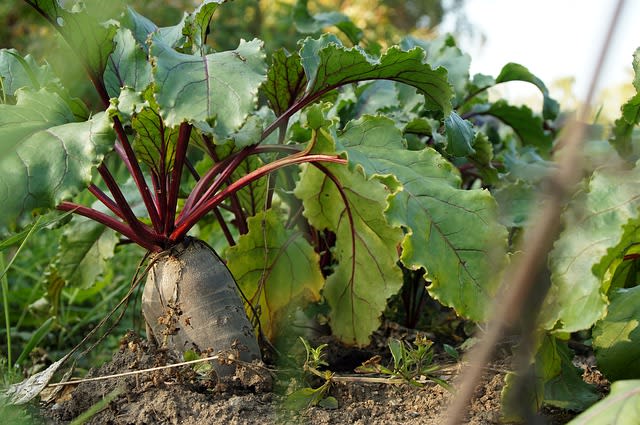
    beet with greens laying on dirt in a garden
    beets and greens in the garden
    1. Spread 2-3 inches of moist peat moss or sand on the bottom of a large, sturdy cardboard box or wooden container.
    2. Spread a single layer of the beets over the moss, and cover them with an additional 2-3 inch layer of the moist peat moss or sand.

    Source: How to Store Root Vegetables in Peat Moss

    The best place to store beets is cold and dry with near freezing temperatures.

    Don’t pack them tightly and avoid them touching because they will start to rot. then place a 2-inch insulating material at the top, sides, and bottom. Loosely seal the top to allow air circulation then place the container in your shed, basement, or ideally, a root cellar.

    Proper storage for beetroot is an important process to keep them fresh the longest. You can keep beets and store them when raw, cooked, or pickled.

    How do you store fresh beet greens?

    After cutting off the beet greens, wash and shake to remove excess water, then wrap them in a paper towel and store them in airtight plastic bags. Beet greens can stay fresh for up to 2 weeks in the fridge.

    Should you wash beets before storing?

    You don’t need to wash beets if storing them in the fridge to prevent them from spoiling quickly. If you want to freeze them you can wash them and remove the stem but leave only 2 inches to avoid bleeding.

    How to Store Beets for Winter

    According to Taste of Home, you can store beets or any root vegetables by alternating layers of newspapers and the veggie until it reaches 6-8 inches high.

    Keep them in a dry and dark storage area (like root cellar, basement, garage or shed). Check them monthly and remove those that are beginning to rot; when one beet has a problem with rot, it can cause the whole bunch to spoil.

    How to Store Beets in the Fridge

    • Trim the leaves and the stem to prevent them from drawing all the moisture from the root but leave about 2-inches of the stem at the top of the root.
    • Don’t throw away the beet greens because they’re edible. You can put them in an airtight container or plastic bag and put them in the refrigerator for 2-3 days but store them separately from the root.
    • Don’t wash your beets because they will rot faster but gently remove the dirt. If you do wash them thoroughly dry them before storing.
    • To avoid excess moisture being trapped, place the beets in a container. It will also prevent them from getting dry, wrinkled, and soft while in the fridge.
    • Place the beets in the crisper drawer of your fridge along with other vegetables or another shelf.
    • Check after some time to see if your beets are still firm. Properly storing beetroot in the fridge can help it last for almost 3 months.

    Can you freeze beets to last longer?

    Yes, you can use frozen beets to make soups and even smoothies. Simply cut all of the raw beets into small pieces, put them in a freezer bag, and freeze them.

    Step-by-step instructions to freeze beets for storage

    1. cut the leaves and roots from all the beets and wipe them down
    2. boil the beets in a pot for about 30 minutes at a gentle boil (with a lid on). You can also use a pressure canner if you prefer.
    3. immediately transfer all of them to an ice bath (kitchen sink with ice and water is fine)
    4. once cooled, peel the skins off and slice/dice to the perfect size
    5. move the cut beets to a freezer bag
    6. they will last up to 10-12 months in the freezer

    Watch this (video below) to learn how to freeze and store your beets.

    <iframe
    loading=”lazy”
    width=”560″
    height=”315″
    src=”https://www.youtube.com/embed/UVlc5cSQJeM”
    srcdoc=”*{padding:0;margin:0;overflow:hidden}html,body{height:100%}img,span{position:absolute;width:100%;top:0;bottom:0;margin:auto}span{height:1.5em;text-align:center;font:48px/1.5 sans-serif;color:white;text-shadow:0 0 0.5em black}How to Freeze Beets For Later Use. - YouTube - YouTube
    frameborder=”0″
    allow=”accelerometer; autoplay; encrypted-media; gyroscope; picture-in-picture”
    allowfullscreen
    >

    How to store cooked beets

    Freshly cooked beets need to be refrigerated 2 hours after being cooked to preserve their quality and flavor. However, if you want to prolong their shelf life, refrigerate them in a shallow airtight container and storage life is 3-5 days in the fridge.

    Cooked beets can last longer and still maintain their flavor quality for more than 12 months if frozen in an airtight storage container. The cooked beets have to be kept constantly frozen at zero degrees Fahrenheit if they’re to be safe to eat.

    Any cooked beet that has been thawed can last 3-4 days after cooking but it isn’t advisable to refrigerate thawed beets in the microwave or in cold water. If left at room temperature, the cooked beetroots will only be fresh for 2 hours before bacteria grows.

    How long do cooked beets last in the fridge?

    If properly stored cooked beets can last for about 3-5 days in the fridge. You can also freeze them in an airtight container to make them last longer. This is great for home cooks that like to have ready-to-go ingredients for beet recipes.

    How long do raw beets last in the fridge?

    If properly stored, raw beets can last for about 14 days in the fridge. Place them in plastic bags, but don’t wash until you are ready to use. Then place them in a produce drawer to keep them fresh.

    RESOURCES

    1. How Long Do Raw Beets Last in the Fridge
    2. Do Beets Go Bad
    3. Storing Beet Greens in Winter
  • Are Beets Keto Friendly?

    The aim of being on a keto diet is to limit your intake of carbs to below 30g per day. Beetroot is a below ground veggie rich in numerous benefits but are beetroots keto diet friendly?

    Beets are high on carbs, proteins, vitamins, and minerals, with low calories and no fat content. On a keto diet, you only need 20g per day of carbs and veggies with less than 5 net carbs are good to eat any time.

    A ketogenic diet should comprise of veggies that are high in nutrients but low on carbs. Dark leafy greens are the best vegetables to include in your diet like spinach, and. For vegetables with low carbs go for veggies in the cruciferous family like broccoli, lettuce, cauliflower, zucchini, cucumber, etc.

    Most people make salads as a quick and easy of including greens in their daily diet. You can put almost anything in a salad.

    When making your meals avoid starchy and sweet vegetables because they contain lots of carbs. Foods like sweet potatoes, beans, peas, corn, potatoes, legumes, yams, quinoa, and others high in starch. Also check the sugar levels in veggies like carrots, squash, and onions. You can mix your high carbs and low carbs to balance out your meal.Click here to learn more about how to live on a keto diet.

    Are beetroots keto diet friendly?

    Vegetables that grow above ground like cauliflower, lettuce, cabbage, zucchini, broccoli, cucumber, spinach, asparagus, olives, green beans, etc. are the best for a keto diet. Below ground veggies like potatoes, onions, beetroot, sweet potatoes, parsnip, carrots, etc. contain more carbs and should be taken in small quantities.

    Beetroot carbs are slightly higher meaning you need to eat very little of it per day. Avoid eating them if you’re just starting the keto diet to help your body adapt. Beetroot contains 6.76g of net carbs per 100g which is on the higher side for a low carb keto diet. So as far as wanting to know are beetroots keto diet friendly is concerned, to a certain degree they are and can be eaten in limited quantities.

    Keto friendly vegetables

    Asparagus

    It only contains 4g net carbs and is a great addition to your low carb side dishes. It’s a tasty vegetable that is rich in vitamin A, C, and K, folic acid, and good in fiber. It has been said to be good for your brain and reduce anxiety.

    Broccoli

    Broccoli contains 3g net carbs and 30 calories per serving. It’s a cruciferous veggie that has loads of nutrients, vitamin A, C, B, potassium, and magnesium. It contains antioxidants like lutein that help in protecting your eyes from the harmful effects of UV rays. It’s also said to help decrease insulin resistance in type 2 diabetes and also protect you from certain types of cancers.

    Zucchini

    You can use zucchinis to make zoodles to replace noodles in your keto diet. Zucchinis have 3g net carbs per serving. Zucchini is an excellent source of vitamin C.

    Spinach

    Spinach is a nutritious leafy green veggie which contains loads of vitamins and minerals like vitamin A, C, and K, folic acid, iron, magnesium, and dietary fiber. It has 3g net carbs per serving and 40 calories. It helps you to feel fuller for longer and a great way of adding bulk to your meals.

    Avocado

    Avocado is a fruit, not a vegetable. Its high-fat content helps to supplement healthy fat intake in keto diet meals. It contains 3g net carbs per serving, rich in monounsaturated fats which help to lower your bad cholesterol and triglycerides. Avocados are a great source of potassium and vitamin C. You can make guacamole or put them in salads.

    So, you can include small amounts of beets in your keto diet

    Being on a keto diet means you should eat foods that are low on carbs. Beetroot is a great root veggie that has a slightly high amount of carbs but that doesn’t mean you don’t eat it even on a keto diet. It only means you eat it in small quantities but not in the adaptation stages if you’re just starting on the keto diet. Foods like spinach, broccoli, zucchinis, avocados, etc. are good on a keto diet.

    FAQ

    Are beets low in carbs?

    Root veggies are actually not high in carbs. If you take half a cup of beets which contains 6.5mg of carbs, it becomes suitable for a low carb diet.

    How much weight can I lose on a keto diet?

    In the first few weeks of the keto diet, you will slowly lose some weight before your body gets adapted to burning fat and not carbs. Which means you will start to lose about 1-2 pounds of fat per week.

    Can you eat too little on keto?

    If you don’t eat enough you can start to lose muscle mass jeopardizing your entire health and wellbeing. Don’t eat too much protein as you will affect your body’s ability to stay in ketosis while on the keto diet.

    Is pineapple keto friendly?

    Most fruits are high in sugar and carbs which makes them not keto friendly. However, you can opt for fruits with lower sugars like raspberries, blueberries, and blackberries but eat them sparingly.

    Can athletes take a keto beetroot shake?

    A keto beetroot shake helps to rebuild torn muscle tissue and allow an athlete’s body to receive oxygen in less time. The nitric oxide dilates the vessels so that more oxygenated blood is taken to your muscles.

  • How Long Do Beets Last?

    If beets form part of your grocery shopping each time you visit your local store, they need to be stored properly to serve you longer. There are different beet storage methods you can employ to prolong your beets shelf life.

    Raw beets can last in the refrigerator up to 14 days, while cooked beets 3-5 days. Once you open pickled beets, they can last for about two months once opened if they are kept in the refrigerator. Frozen beets can last from 8-12 months.

    I have been buying beets for a long time now but they only last a few days before I have to throw them away. I don’t know if it’s the way I store them or it’s because I don’t know how to select the right beets. One way or another I need to know how to properly store my beets so they last longer and still retain their nutrients.

    All About Beets and How to Use Them

    Beets have been eaten and used as traditional medicine for centuries. Although beets are sweet when eaten raw you can also roast, boil, steam bake, fry, or even grill them.

    The most common garden beet is the red beet but you will also find the white, yellow, and candy-striped beets in selected stores. The sugar beet is mainly used in producing sugar. However, the beet greens are very much edible and nutritious.

    Before storing the beets, you need to know how to select the right beets so that you don’t buy spoiled or old beets.

    Selecting the Right Beets

    • Go for beets that have a deep red color, are firm and small, has unblemished skin, and the beet greens are bright and look fresh with no signs of wilting.
    • Buy beets that have their leaf stems still attached to the root as a sign of freshness.
    • Avoid buying beets that have spots and scales.
    • Avoid large beets that have a hairy taproot which is an indication of that the beets are tough and old. They could also have a tough, woody center which makes it hard to cook. Now that you have bought the right beets, let’s look at the different beet storage methods you can use to prolong the shelf life.

    The Best Way To Store Beets

    Should beets be refrigerated?

    Refrigerating beets is a good way of storing and preserving the beets if you can’t eat them all at once and also to prolong their shelf life in case you can even freeze them so that you keep their nutrients and quality intact till you want to eat them again.

    Storing Raw Beets Short Term

    As soon as you get home, cut the leaves but leave 2-inches from the root to prevent the leaves from draining all the moisture from the root but don’t trim the roots.

    If you do not cut the leaves, they will last a few days in the refrigerator or left out of the counter.

    To increase the shelf life of raw beets, store them in a plastic bag but don’t wash them to avoid any moisture that can make them rot.

    If properly stored, raw beets can last for about 14 days in the fridge. Also separately store the beet greens in a plastic bag and use them within 3 days.

    You can also freeze them but first, you need to wash them and leave half an inch of stem, cook the beets till tender then cool and peel the beets. Make sure the beets are dry before freezing.

    Cut them into slices then put them in freezer bags or air-tight containers. Beets are the best quality if used before 8-12 months if constantly frozen. But they can still be eaten after this date.

    Storing Cooked Beets Short Term

    Cooked beets can last 3-5 days in the fridge if refrigerated within two hours after cooking. For cooked beets to last longer without compromising the quality, put them in an air-tight container and refrigerate.

    You can also freeze them in freezer bags for long periods of time for up to 12 months and they’re still safe to eat with their nutrients intact. Make sure not to leave cooked beets for more than 2 hours at room temperature because bacteria grow very fast at such temperatures.

    How to Store Pickled Beets

    The beet storage time for pickled beets depends on the expiration date, if you keep them refrigerated continuously, if the jar isn’t damaged, and if there are no signs of the beets getting spoiled.

    Once you open the pickled beets, keep then refrigerated throughout and the beets can stay in good quality for about 2 months.

    If the pickled beets get spoiled they will give out a bad smell, develop mold, or have an unusual appearance. Also if he can start leaking, starts to bulge or become dented, it’s time to throw out the beets.

    You now know how to store your beets in a better way.

    Beets are great veggies that are loaded with nutrients but if not properly stored can lose all the nutrients.

    If you don’t like eating beets raw you can cook them then store in the fridge to prolong the beets shelf life.

    You can store raw and cooked beets in the fridge or freezer or pickled beets once opened so that they don’t spoil fast. Watch this to learn more about how to store your beets.

    Long Term Storage of Beets

    If you have a good amount of beets to store you may need a long-term solution to storing your beets. The best way to store beets to have them last the longest time is to either canning them or freezing them.

    Freezing Beets

    You do not need to blanch beets when freezing them.

    You can simply:

    1. Cut the beets according to the size you want. Usually into cubes or 1/4 inch slices.
    2. Freeze on tray.
    3. Put in freezer bags or vaccum seal.

    Canning Beets

    Canned beets can last from 12-18 months. But first you will need to see if you have enough beets for canning them.

    • at least 5 pounds to start canning
    • 20-22 pounds of beets will make 7 US quarts
    • 13-15 pounds of beets will make 9 pints

    What you will need:

    • canning or picking salt
    • jars with lids and rings
    • saucepan or pressure cooker
    • jar holder
    • ladle
    • potato scrubber

    Steps to Canning Plain Beets

    1. Clean the beets with a potato peeler.
    2. Remove greens, leaving 2-3 inches of the stem from the top of the root.
    3. Next, cook the beets. Put the beets in the saucepan or pressure cooker and fill with water slightly above the top of the beets. Bring the water to a boil. If using a saucepan it will take around 45 min. until beets are tender. With a pressure cooker time will be reduced to about 10-15 min.
    4. Cool the beets. Place beets in the refrigerator or put them in an ice bath.
    5. Remove skins and cut beets to desired thickness.
    6. Fill your sauce pan  with water and place it back on the stove to boil. Add 1 teaspoon of canning salt for each jar.
    7. Place your beets inside the jars leaving 3/4″ to 1″ of head-space at the top of the jar.
    8. Fill the jars with the boiling water, again leaving 3/4″-1″ of head-space.
    9. Place lids and rings on jars tightly.
    10. Now your beets are ready to pressure cook. With jar tongs or holders, place the jars in the pressure cooker and follow pressure cooking instructions based on the amount you have. For canning without a pressure cooker, go here.

    FAQ

    Should you wash beets before storing?

    If storing beets in the fridge you shouldn’t wash the beets. However, if you’re going to freeze the beets you need to wash the beets, cut the stem but leave about 2-inches to avoid bleeding then place them in freezer bags.

    How do you keep beets fresh for longer?

    Separately store the beet greens and the root in plastic bags and store the greens for about 2 days and the root for about 10 days. You can also freeze cooked beets for up to 10 months.

    Can you eat beetroot after use of date?

    Eating beets after their best before date isn’t harmful but the texture and taste might change. As long as the beets don’t have a bad smell, funny appearance, or develop mold.

    Are frozen beets good?

    Although frozen beets have a different taste and texture than fresh beets, they still have the same flavor. They also retain their nutritional value just like the fresh beets.

    Can you store beets in a root cellar?

    The root cellar should have temperatures of between 32-40 degrees and the beets should be stored in either sawdust, sand, or damp peat moss. Using a plastic container with a tight lid to retain the moisture.

  • Marvelous Health Benefits of Pickled Beets

    You can ensure beets maintain their flavor even after weeks of preserving. If you do not preserve them well, they lose flavor and start to go bad. All this changes when pickling with vinegar.

    Pickled beets contain a good source of Vitamin C and can help improve blood flow. Beetroot juice mixed with vinegar is a great way to cleanse your digestive system and may help lower blood pressure.

    With all the health benefits of beets, it is sad how fast they lose flavor. Here’s all you need to know about mixing beets with vinegar to enjoy them longer.

    Are Pickled Beets Good For You?

    Eating pickled beets are a good way to get vitamins and minerals into your body with added flavor. Since beets are a good source of iron, keeping iron and potassium levels up can benefit from foods like pickled beets.

    High on nutrients, low on calories

    Pickled beets are rich in vitamins and minerals. They are also low on calories which means you can consume them as many times as you want. Fermented beets contain less sugar than raw beets. You will never worry about a bulging waistline as you consume a healthy snack made straight from your kitchen.

    Health benefits of beets as a healthy energy drink

    Have you always wanted a healthy energy drink without the harmful preservatives of store-bought goods? Then you will find a great answer in fermented pickled beets.

    Pickled beets add a healthy dose of nitrates into your body. These nitrates convert to nitric oxide and energy. Your body uses this energy to boost performance endurance.

    What are the Health Benefits of Pickled Beets?

    Loaded with betalains

    Pickled beets are rich in anti-inflammatory nutrients known as betalains. Betalains will help reduce inflammation and lower risk of heart disease and ailments like arthritis or cancer. Scientific studies show that pickled beets juice reduce liver inflammation in lab rats.

    Today we have betalain capsules which help reduce osteoarthritis inflammation. Consuming homemade pickled beets provide the same benefits. You do not have to spend your money on pharmaceutical medication.

    A healthy gut

    Want to improve your digestive health? Include lots of pickled beets in your diet. Beets are a rich source of fiber that helps with digestion. Fiber also feeds the healthy bacteria in the gut known as probiotics. Regular consumption of pickled beets helps prevent constipation and inflammatory gut disease.

    Beets are high in oxalates and may promote kidney stones forming in susceptible people. Consume in moderation if you’ve have a history of kidney stones.

    Do pickled beets help blood pressure?

    Fermented beets are rich in nitrates. The body converts nitrates into nitric oxide which helps blood vessels to expand. This ensures a sufficient flow of blood from the heart to all body organs. It reduces the risks of heart disease and low blood pressure.

    Medical findings show that consuming pickled beets lowers blood pressure by 10 mmHg in 2 to 4 hours.

    Tips for preserving pickled beets

    Once you start consuming your pickled beets, store the jar in a refrigerator. Ensure the jar is tightly covered to prevent oxygen from entering.

    Oxygen will cause yeast to convert more sugar into alcohol. The beets may grow extremely sour if the root vegetable has too much oxygen. Keeping the pickled beet jar tightly sealed preserves the fresh taste of your pickled beets.

    The best part about homemade pickled beets is that they do not have an expiry date. Ensure the jar remains undamaged and the sealing lead is intact. Once in a while, inspect the contents of the jar to ensure they are not spoiled.

    You can know how long do pickles expire judging by their texture, flavor, and color. If all of any of these is feels off to you, then your pickled beets have gone bad. Do not consume them as you risk a bacterial infection.

    The best test to know do pickles go bad is by smelling the contents of your jar. If there is a foul odor in the pickled beets, they are spoilt. You may also notice mold growing on the side of the jar indicating bad pickled beets.

    Another warning sign of spoilt pickled beets is if you jar develops a leak or rust. Also, if the jar’s lead is bulging, too much gas is accumulating inside. The fermentation process has gone longer than expected and your pickled beets will have a sour taste.

    How long do pickled beets last?

    If you are wondering ‘How long are pickles good for?”, it all depends on how you store them. Using vinegar as a preservative is the first step to ensuring your pickled beets last.

    The use of vinegar dates back to 3000 BC. Vinegar served as a preservative and condiment. As a beverage, the fermented liquid earned the name ‘poor man’s wine’. Ancient communities made vinegar out of barley, cider, and rice.

    The main ingredient in vinegar is acetic acid. The PH level in acetic acid inhibits the growth of bacteria. This is why vinegar can act as a preservative for any type of food including beetroot. The benefit of pickling beets is that both the beet and liquid are consumable.

    While we expect pickled beets to last longer, in some cases they might go bad very quickly. How long do homemade pickles last will depend on how well you preserve them after fermenting?

    Can I add vinegar to my used pickled beets?

    Yes, add more vinegar to your pickled beets to ensure the contents are fully immersed. You may also add water instead of vinegar.

    When will pickled beets be ready?

    After sealing the jar, let the pickled beets sit for a week. Once opened, refrigerate the beets to keep them fresh for the next two months.

    Can I reuse pickled beets juice?

    Yes, you can. You also can reuse the jar itself after consuming your first supply of pickled beets.

    Are pickled beets keto-friendly?

    Pickled beets are low on carbohydrates and fit in your keto diet.