Tag: food

  • A Beginner’s Guide to Making Requests with Python

    Oh great, another tutorial on how to make a request with Python. Just what the world needs. But since you’ve stumbled upon this post, I’ll do my best to make it worth your while. Let’s dive in!

    First things first, what exactly do we mean by making a request? Well, it’s pretty simple. When we want to get some data from a server, we need to send a request to that server. This could be a request for a webpage, some data from an API, or even just a simple file. In Python, we can use the requests library to make these requests. So without further ado, let’s get started!

    Step 1: Installing the Requests Library

    Before we can start making requests, we need to install the requests library. But you probably already knew that. It’s like when you decide you want to make pancakes for breakfast and you realize you don’t have any flour. First things first, you need to go to the store and get some flour. In the same way, we need to use pip to install the requests library. Here’s the command:

    pip install requests

    Step 2: Making a Simple Request

    Now that we have the requests library installed, let’s make a simple request. Imagine you’re asking your friend for a pencil. You say “Hey, can I borrow a pencil?” and your friend hands you a pencil. It’s that simple! In Python, we can use the get function from the requests library to make a request for a webpage. Here’s the code:

    import requests
     
    response = requests.get('https://www.google.com')print(response.text)

    In this code, we’re making a request to https://www.google.com and printing out the response. The text attribute of the response contains the HTML of the webpage.

    Simple, right?

    Step 3: Adding Query Parameters

    Now let’s say you want to ask your friend for a pencil, but you want a blue pencil. You might say “Hey, can I borrow a blue pencil?” In the same way, we can add query parameters to our request to ask for specific data. For example, let’s say we want to get the weather for a specific location. We can add query parameters to our request to specify the location. Here’s the code:

    import requests
    
    response = requests.get('https://api.openweathermap.org/data/2.5/weather', params={'q': 'London'})
    print(response.json())

    In this code, we’re making a request to the OpenWeatherMap API to get the weather for London. We’re using the params parameter to add the q query parameter to our request. The json method of the response converts the JSON data returned by the API into a Python dictionary.

    Step 4: Adding Headers

    Finally, let’s say you’re asking your friend for a pencil, but you want to borrow it for a week. You might say “Hey, can I borrow a blue pencil for a week?” In the same way, we can add headers to our request to provide additional information.

    For example, let’s say we want to make a request to an API that requires an API key. We can add a header to our request to provide the API key. Here’s the code:

    import requests
    
    headers = {'X-API-KEY': 'my_api_key'}
    response = requests.get('https://api.example.com/data', headers=headers)
    print(response.json())

    In this code, we’re making a request to an API that requires an API key. We add a headers dictionary to our request, which includes our API key. The json method of the response again converts the JSON data returned by the API into a Python dictionary.

    Advanced Requests

    Now that we’ve covered the basics of making requests with Python, let’s take a look at some more advanced techniques.Making a POST RequestSometimes we need to send data to the server in order to create or update a resource. In this case, we can use the post function from the requests library. Here’s an example of sending a JSON payload to a server:

    import requests
    
    payload = {'name': 'John Doe', 'email': 'johndoe@example.com'}
    response = requests.post('https://api.example.com/users', json=payload)
    print(response.status_code)

    In this code, we’re sending a JSON payload to the server to create a new user. The json parameter of the post function automatically serializes our Python dictionary to JSON before sending it to the server.Sending FilesSometimes we need to send files to the server, for example when uploading a profile picture.

    In this case, we can use the post function with the files parameter. Here’s an example of sending a file to a server:

    import requests
    
    files = {'file': open('picture.jpg', 'rb')}
    response = requests.post('https://api.example.com/upload', files=files)
    print(response.status_code)
    

    In this code, we’re sending a file to the server using the files parameter of the post function. The open function is used to open the file in binary mode, and the 'rb' parameter specifies that we want to read the file in binary mode.

    Handling Errors

    Of course, not everything always goes smoothly when making requests. Sometimes the server returns an error, or the request times out. In these cases, we need to handle the error gracefully. Here’s an example of handling a 404 Not Found error:

    import requests
    
    response = requests.get('https://api.example.com/users/123')
    if response.status_code == 404:
        print('User not found')
    else:
        print(response.json())
    

    In this code, we’re checking the status code of the response to see if it’s 404 Not Found. If it is, we print a message indicating that the user was not found. Otherwise, we assume that the request was successful and parse the JSON response as before.

    Conclusion

    Well, there you have it. A sarcastic, but hopefully detailed, guide to making requests with Python.

    We’ve covered the basics of making a request, adding query parameters and headers, and some more advanced techniques like making a POST request, sending files, and handling errors.

    If you’re new to Python or web development, this might seem overwhelming at first, but with a bit of practice, you’ll be making requests like a pro in no time!
  • Dad’s Homemade Chili

    Ingredients

    • 2 lbs. ground beef or meat substitute 🍖
    • 1 onion 🧅
    • 2 jalapenos (pickled)
    • 2 cans any kidney bean (drained)
    • 2 cans diced tomatoes 🍅
    • 1 can stewed tomatoes
    • 4 tbsp chili powder
    • 1 tbsp worcestershire
    • 2 tsp cayenne pepper
    • 2 beef or any bouillon cubes
    • 2 tsp black pepper
    • 2 tsp sea/pink salt
    • 1 tbsp paprika or smoked paprika
    • 1 tbsp ground mustard
    • 1 tsp nutmeg (yes, nutmeg!)

    Instructions

    1. Cook the meat.
    2. Mix all ingredients into a pot on the stove with medium heat.
    3. Cook for a couple of hours and stir occasionally.
  • Flintstones Vitamins Review – Are They Good For Your Kids?

    Growing up, some of us had to take vitamins to make up for what we missed in our diet. Now that we’re all grown with kids of our own, I’ve prepared this Flintstones vitamins review to help you pick the right choice for your child.

    My diet was pretty good when I was little. I grew up in the countryside as an only child and never had to worry about questionable farm produce. There was so much in plenty; my mom and dad enjoyed eating healthy, so I had a balanced diet (with the occasional cheats) throughout my younger years.

    That didn’t stop my mom from including the occasional dietary supplement once in a while. Whenever she felt like I was missing something in my meals, she’d make up for it with supplements. Of course, she’d consult a doctor to make sure I wasn’t taking too much of certain nutrients, but overall? I was as healthy as a horse!

    Now, things aren’t as easy as they were in the past. It’s very common that kids are on vitamins and other supplements to give them the best nutrition they can get, but you have to make sure you get safe and effective vitamins. Apart from worrying about how healthy your organic food is, you worry about the supplements as well. Some vitamins may contain harmful chemicals or allergens.

    In my search for the best vitamins for my son, I came across the Flintstones vitamins. The first thing I liked about them immediately was that they were gummy vitamins. My son absolutely hates taking capsules and tabs. So, after doing tones of research, I decided to try them out with him!

    Flintstones Gummies Vitamin Review

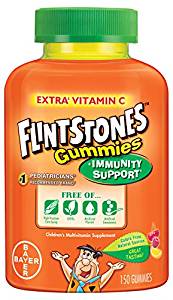
    flinstones gummies

    At first, it was difficult picking a Flintstone package to buy. There were different flavors and contents, and there is also something for toddlers. You can pick chewables for improved immunity, bone health or for an iron supplement. Eventually, I decided to go with the Flintstones Immunity Support gummies to see whether it would help lower his flu occurrences.

    About Flintstone Vitamins

    The vitamins are based off on the old 1960s cartoon, The Flintstones and the characters (like Fred and Wilma) are the same faces you can see on the gummies. Apart from other Flintstones merchandise, the vitamins have been around for over 50 years, though not initially created by a medical team.

    After the Bayer company acquired the lab that made the Flintstones vitamins, they went on to create new characters and flavors. Now, you can have your Flintstones vitamins in seven different flavors with different ingredients as well, depending on your nutrient preference!

    Flintstones come in these varieties:

    • Flintstones Complete
    • Flintstones with Iron
    • Flintstones Plus Omega-3 DHA
    • Flintstones Plus Immunity Support
    • Flintstones Plus Bone Building Support
    • My First Flintstones

    While Flintstones Complete comes in three forms: chew-able, gummy and sour gummy.

    Flintstones Immunity Support Gummies

    Overall, my son is quite healthy and active. However, I noticed he was a little more susceptible to the flu than I was at his age. To avoid excessive medication, I figured improving his diet was a better way to improve his immunity while he is still young, and the Flintstone Gummies were a way to help alongside a balanced diet.

    The main ingredients in the gummies include vitamins C, A, E, and Zinc; all which play a vital role in boosting the immune system as well as improving eye health. As a bonus, there are other B-vitamins (B6, B12, and Biotin) that help in improving energy levels. The gummies are free of allergens like aspartame, dairy, fish or eggs However, there are debates regarding the sweetener and color content.

    Results From Taking Flintstone Vitamins

    Every day, my son would take two gummies (make sure they chew them completely!) for the next three months. What I noticed most was the improvement in energy. He had fewer flu bouts than before, and I wasn’t sure whether to thank the vitamins or the overall combination of diet and the gummies.

    Pros

    • A fun way for kids to take their vitamins
    • Affordable
    • Variety of gummies to choose from

    Cons

    Conclusion

    From my Flintstones Vitamins review, though I had no problem with the vitamins (apart from the possible artificial ingredients content), I think it’s about how much you need the nutrients. If you trust that your child has all the nutrients they could ever need from their diet; then you could do without multiple dietary supplements!

    Why Some People Will Argue Flintstone Vitamins Are Bad

    1. Artificial and Natural flavors: Artificial and natural flavors are found in all of Flintstones vitamins. Artificial flavors are created in labs by specialist and most are derived from petroleum. Artificial flavors contain loads of chemicals, here is the long list of everything approved for artificial flavors here.

    According to Food Insight, natural flavorings can come from any of these sources: spice, fruit or fruit juice, vegetable or vegetable juice, edible yeast, herb, bark, bud, root, leaf or similar plant material, meat, fish, poultry, eggs, dairy products, fermentation products.

    But it’s best to have things labeled naturally organic as the additives not allowed in natural flavor in organic foods include propylene glycol, polyglycerol esters of fatty acids, mono- and diglycerides, benzoic acid, polysorbate 80, medium chain triglycerides, BHT, BHA, triacetin.

    2. Artificial Colors

    3. Hidden labels for sweeteners and Sugar

    4. Carageenan

    FAQ Sections

    Are Flintstones vitamins good?

    The colors in the Flintstones vitamins are attractive to kids, and the gummy design makes it easier for kids (and adults) who find it hard to swallow tablets and capsules. Though the Flintstones vitamins are nutritious, artificial additives like flavors and colors may not be healthy in the long run.

    Can my 2-year-old take Flintstones vitamins?

    There are different types of Flintstones vitamins depending on age and nutritive value. While there are vitamins for toddlers and older kids, Flintstones vitamins are not suitable for children under 2 years of age, and parents should supervise the vitamin intake.

    Can adults take two Flintstones vitamins?

    So far, there are about eight types of vitamins for children and adults. Overall, adults can take two gummies of Flintstones vitamins daily as recommended on the label or as directed by a physician.

    Do Flintstones vitamins have Iron?

    Not all Flintstones vitamins have Iron; Flintstones Plus Iron contains 15 mg of Iron while Flintstones Complete contains 18 mg of Iron. Before taking an Iron supplement or giving it to your kid, read the product label carefully – it would be best to consult a pediatrician, physician, or nutritionist if you are unsure about taking the supplement.

    Can you overdose on Flintstones vitamins?

    Too much of certain nutrients may do more harm than good, which is why a balanced diet is essential. Flintstones vitamins contain an array of vitamins and minerals, some of which can cause serious side effects if consumed in high levels – for example, vitamins A, D, E, K and some minerals can be harmful when overdosed on.

  • How Long Does Broccoli Last?

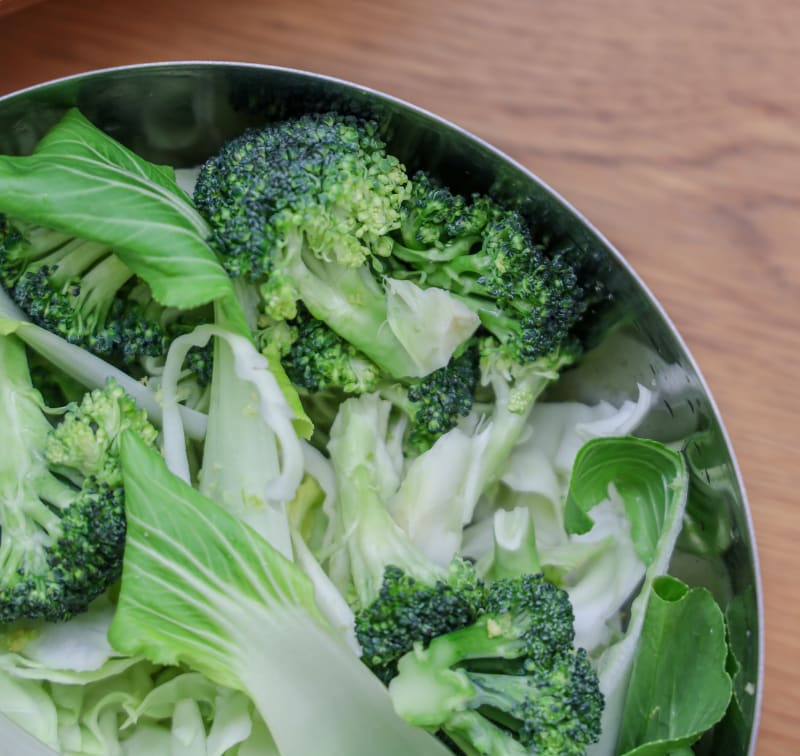
    Broccoli is a nutritious vegetable packed with lots of goodness that you can steam, roast, or eat raw. After buying some broccoli from the store you may notice your broccoli go bad after a few days even after proper storage.

    Fresh broccoli last 4-7 days in the refrigerator leaving it unwashed until ready to use. Cooked broccoli will last 3-5 days after being stored in an air-tight container. While frozen broccoli will last up to 3 months in the freezer. It’s always best to wash raw broccoli when you are ready to use it and certain storing methods can leave your broccoli lasting longer.

    Can Your Broccoli Last for 2 Weeks?

    In most cases, fresh raw broccoli will last up to 7 days in the fridge. Some fresh vegetables like broccoli do not have an expiration date, shelf-life, or use-by-date. So it’s best to go with the purchase date when planning out how soon you need to use your broccoli.

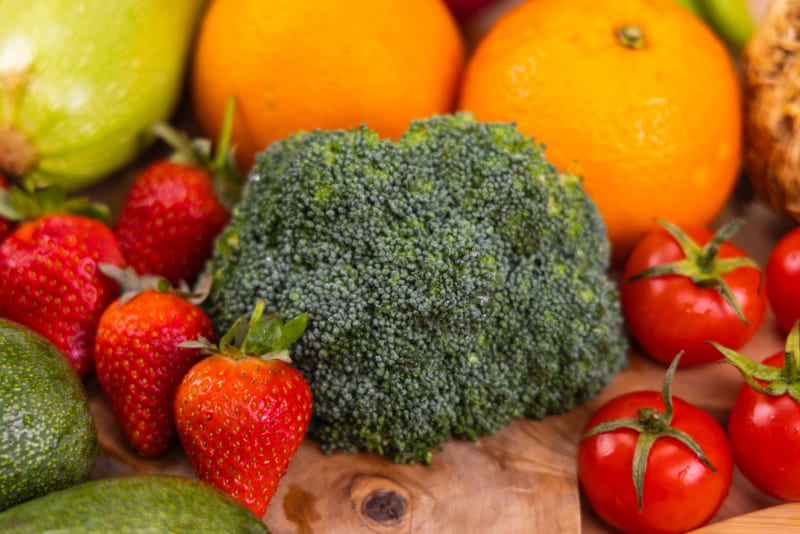
    broccoli, strawberries, tomatoes, oranges on a wood cutting board

    However, certain storage methods can expand the shelf life of your broccoli. If you cannot cook eat it before it goes bad, you can put it in the freezer and it will last up to three months.

    How Do You Keep Broccoli Fresh In the Refrigerator?

    Broccoli is a healthy veggie that adds nutrition and many health benefits to your body because it’s loaded with vitamins C, K, folate, fiber, and potassium. However, all these nutrients are lost if you don’t know how to check whether your broccoli has spoiled or not. Here is what to look out for.

    Tips for expanding your broccoli to make it last longer and for the best quality:

    • Make a broccoli bouquet: cut 1/4 off the stem. Place your bunch of broccoli in a mason jar filled halfway with water. Broccoli needs to be cold because it’s a cold-weather vegetable, so place your bouquet in the fridge.
    • Store in a loosely unsealed bag: Keeping your broccoli in an airtight bag will trap the ethylene (what broccoli creates to ripen) to cause it to break down faster. Leaving it unbagged causes it to dry out. So allow it to “breathe” to help it keep longer.
    • Store your broccoli with wet paper towels: It’s important not to rinse broccoli until your ready to use, as extra moisture will promote bacteria and mold growth. But placing broccoli wrapped in wet paper towels will prevent it from drying out and allow it to breathe. This green vegetable keeps best when it can breathe, not in an airtight container.
    • Avoid placing broccoli with other fruits and vegetables that release ethylene gas like apples, bananas, and avocados.
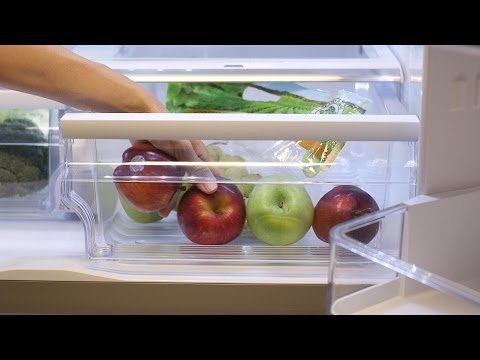
    • Store in the vegetable crisper with high humidity with the drawer being 2/3 the way full. Crispers work best when they are 2/3 way full with heavier things on the bottom and lighter vegetables on top. A high-humidity crisper will prevent vegetables sensitive to ethylene gas to be exposed to more ethylene that causes them to go bad faster.
    • Never store broccoli at room temperature.

    <iframe
    loading="lazy"
    width="560"
    height="315"
    src="https://www.youtube.com/embed/vYRPV9ulxys"
    srcdoc="*{padding:0;margin:0;overflow:hidden}html,body{height:100%}img,span{position:absolute;width:100%;top:0;bottom:0;margin:auto}span{height:1.5em;text-align:center;font:48px/1.5 sans-serif;color:white;text-shadow:0 0 0.5em black}(2) How to Store Broccoli for Weeks - YouTube - YouTube
    frameborder=”0″
    allow=”accelerometer; autoplay; encrypted-media; gyroscope; picture-in-picture”
    allowfullscreen
    >

    How Do You Know When Broccoli Is Bad?

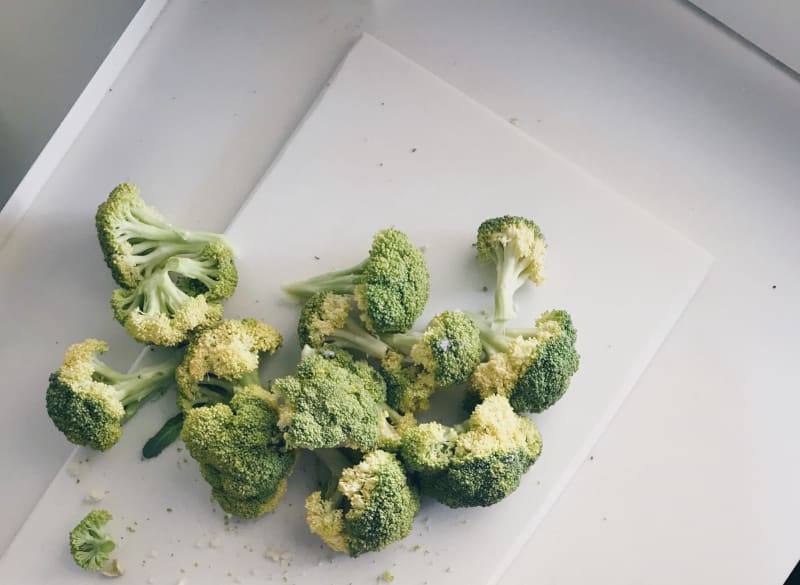
    yellow and discolored broccoli on white cutting board
    1. Broccoli florets normally have a green color, if you notice a yellowish color on the veggies or it starts to sprout yellow flowers most likely it’s spoiled. Broccoli that is good to eat is usually dark green in color.
    2. Fresh broccoli has a very firm feel. It has a very firm stem and trunk but when it gets stale it starts to absorb moisture which makes the veggie soggy and it loses its firm feel.
    3. The presence of mold in any part of the veggie is a clear indication that your broccoli gone bad. The broccoli may have a yellow appearance or have irregular formations.
    4. The texture of the broccoli is also a great indicator that can help you know when your broccoli has spoiled. The broccoli may have a white or slimy texture which means it’s time to throw it away.
    5. When broccoli is fresh it doesn’t have any smell and if it does it’s very faint. When it goes bad you will notice a very strong moldy smell that you ill smell in the whole fridge. The smell is a bitter, irritating, and quite overpowering rotting odor.
    6. When it goes bad will have slippery spots on the buds. It will start to wilt and form holes on the florets of the broccoli.

    When Should You Throw Out Broccoli?

    So how long does broccoli last? For raw broccoli, it’s best to throw broccoli out when the florets and stem become limp. The broccoli florets should be green and firm. If your broccoli starts to make a color change to turn yellow or brown it’s still okay to eat, you can cut off the discolored portion and eat what’s remaining. For the best quality, raw broccoli last up to 7 days in the fridge.

    Cooked broccoli lasts 3-5 days. If you decided you cannot eat it within that time, you can freeze it.

    Do Vegetable Storage Containers Really Work to Keep Your Vegetables Fresh Longer?

    Vegetable storage containers are a great option if you do not have a fridge with a crisper in it or if you run out of room in your crisper often. Your broccoli head will need to breathe while being stored, an air-tight container is not a good option for storing broccoli. Here is an example of a storage container on Amazon that has air-flow:

    Buy on Amazon 

    But according to this research broccoli lasts only a little bit longer in a vegetable storage container, and your fridge crisper works well on keeping your food fresh. So I don’t know about you I would like to see if they are worth the money myself. As our grocery store trips can be expensive and we like saving every penny we can.

    <iframe
    loading="lazy"
    width="560"
    height="315"
    src="https://www.youtube.com/embed/DDYHhWYwiYE"
    srcdoc="*{padding:0;margin:0;overflow:hidden}html,body{height:100%}img,span{position:absolute;width:100%;top:0;bottom:0;margin:auto}span{height:1.5em;text-align:center;font:48px/1.5 sans-serif;color:white;text-shadow:0 0 0.5em black}(2) Longer Life for Fruits & Vegetables | Consumer Reports - YouTube - YouTube
    frameborder=”0″
    allow=”accelerometer; autoplay; encrypted-media; gyroscope; picture-in-picture”
    allowfullscreen
    >

    How To Store Broccoli

    You can either store broccoli in the fridge for a short time or freeze it to prolong its shelf life.

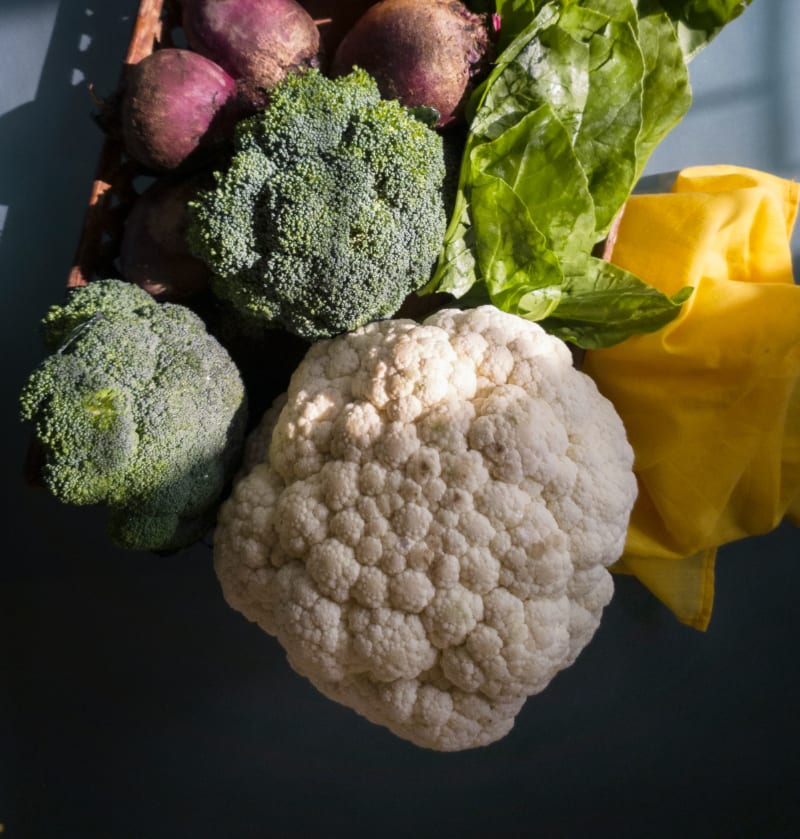
    broccoli, cauliflower, onions on a black background

    Storing Broccoli For the Short Term

    1. An unconventional but very effective way of keeping your green vegetable fresh is putting it in water the same way as flowers. Put some water in a bowl and dip the broccoli stem in the water then refrigerate. This will keep it fresh for 5-7 days or cover it with a plastic bag with holes to help air circulate and change the water daily for optimum freshness.
    2. Another way is to gently mist the broccoli heads with cold water then loosely wrap the heads with paper towels to absorb the moisture then put it in the fridge. It will stay fresh for about three days. Don’t wrap it too tightly or place it in a sealed container.
    3. The easiest way to keep it fresh is to put it in a plastic bag and make holes to ensure good air circulation. Keep it in the fridge and it will stay fresh for a few days.
    4. You don’t need to clean store-bought broccoli but if your broccoli is homegrown you need to remove the insects and any debris from the garden. In a large bowl put warm water and some white vinegar. Soak for 15 minutes to kill any insects and remove dirt hiding between the florets. Rinse with cold water and dry thoroughly before refrigerating.

    Freezing Broccoli

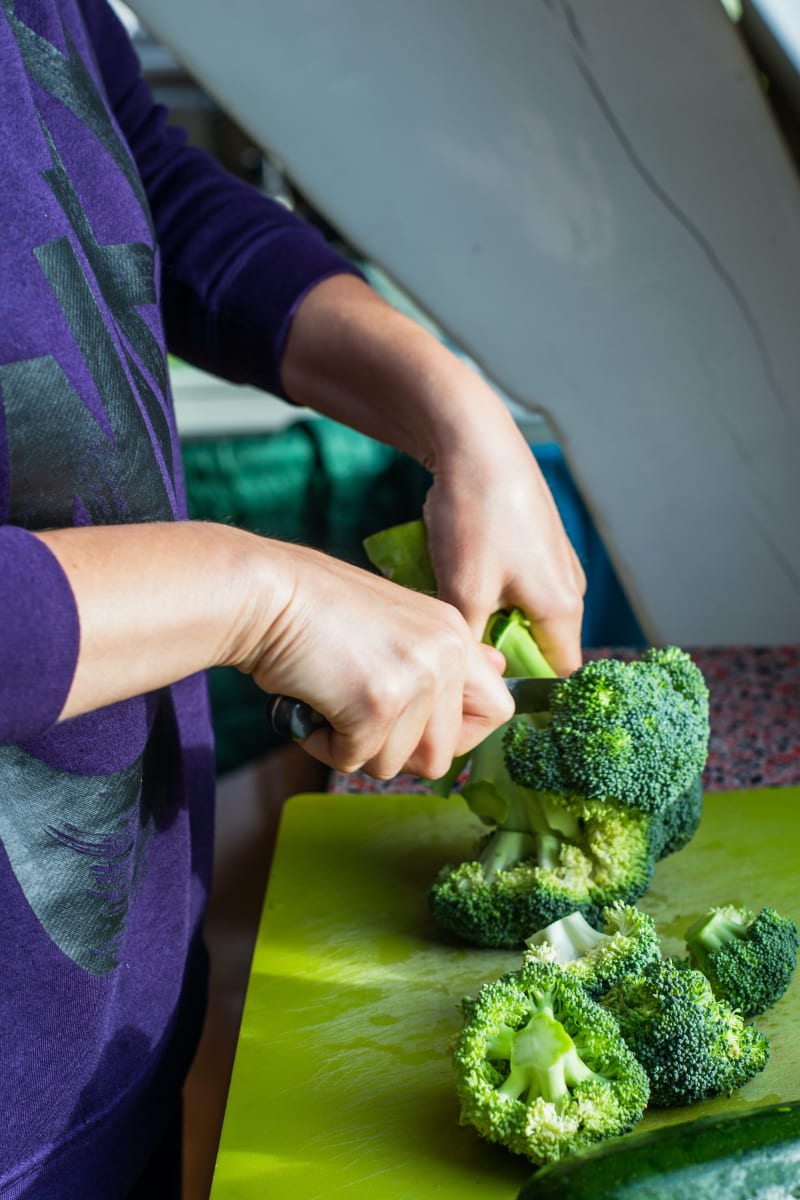
    person cutting off broccoli florets from head of broccoli on green cutting board
    • Frozen broccoli can stay fresh for more than one year but first, you have to blanch the veggie and you will need a large bowl of boiling water and another one of ice water. Slice the broccoli heads into small portions of 1-inch on both sides. This will ensure the heads are blanched evenly.
    • Put them in boiling water for about three minutes and stir periodically. This will help preserve the broccoli by killing the bacteria and enzymes helping to maintain its properties after being frozen.
    • Drain the hot water then put them in the ice water and soak for 3 minutes and make sure all sides have touched the cold water.
    • Remove the broccoli from the ice water and let it rest tossing it after some time to allow any moisture to drain. After some time pat with a paper towel to wipe excess moisture.
    • Put the broccoli in an air-tight plastic bag and put it in the freezer.

    Eating broccoli can be a great experience but you first have to store it properly so that it doesn’t go bad quickly. You also need to know how to identify when broccoli has gone bad like through smell, texture, stem softness, etc. so that you don’t eat spoiled broccoli.Watch this to learn more on bad broccoli.

    FAQ

    How do you make broccoli last longer?

    Consume fresh broccoli as soon as possible as it doesn’t stay fresh for long. You can also mist the heads and wrap them with paper towels and refrigerate them.

    Can you eat discolored broccoli?

    Broccoli turns yellow when it starts to dry out but as long as it’s not rotting or slimy you can eat it. It’s less nutritious and it won’t taste as good.

    How long does broccoli last once cooked?

    If it’s cooked properly stored in the fridge it can last 3-5 days. You can also freeze it in an air-tight container to extend its shelf life.

    Is it okay to eat broccoli when it turns brown?

    If it’s the brown variety it’s okay to eat but if it’s the green broccoli throw it away. It will have an awful taste and it won’t have any nutrients left.

    Why does broccoli turn brown?

    When you overcook broccoli you break the cell walls which releases acids that turn the green chlorophyll to a gray color. The broccoli may have a yellowish or brownish color.

  • Can you eat beets raw?

    Beets are a superfood that has long been praised for its properties. However, what’s the best way to eat them? Can you eat beets raw? Yes, you can, and let’s find out why that’s one of the best ways to eat them.

    Can you eat beets raw? Absolutely! You do however need to be mindful in the consumption because even things that are considered excellent for us can prove problematic to unsuspecting individuals.

    What state is best to eat some vegetables? Should you have them raw or cooked? Not everyone is a fan of the earthy taste, so people prefer to mask it. For others still, it is about getting the most out of the beetroot. So back to the question, can you eat beets raw?

    So yes, you can eat them raw. It is the best way to have beets, but we will explore some equally beneficial ways to eat them.

    Benefits of Eating Raw Beets

    eating raw beets

    The concern for raw beets comes from the perception that it could be poisonous. The occurrence of beeturia perhaps fuels these rumors in some people. That refers to the condition where a person’s urine turns red or pink.

    Beeturia is harmless, but if it happens consistently, it could be the cause of an underlying issue such as iron deficiency. However, beeturia itself is not problematic.

    With that in mind, the root of the beet has a sweet, hearty flavor. When it is raw, that is when you get the most nutrients out of it. When it is as is, the nutritional value is higher even with regards to the minerals and antioxidant properties it contains. That is not unique to beets; it is the case for most vegetables and fruits; they are more nutritious in their natural state.

    When the question “can beets be eaten raw,” comes up, their pickled state comes into question too. People turn to pickled beetroots when they cannot get them fresh.

    Research by the Journal of Current Research in Nutrition and Food Science concluded that when beets are in this state, their nutritional value is diminished. The only mineral left unaffected is vitamin C. The theory is that the pickle juice carries with it other substances that led their vitamin C to the beets.

    Overall, there are fantastic health benefits to eating beetroots. They assist in the lowering of blood pressure and boosting endurance and one’s stamina.

    It also acts as a friendly digestive companion and improves brain health especially for the aging brain. Your heart also benefits, along with your blood and liver which get detoxified and purified.

    Side effects of eating raw beets

    The benefits do not stop there. It is this myriad of benefits that earned the beetroots the title of superfood. Though that is an impressive title, you ought to eat beets in moderation.

    Should you have underlying condition beets can make the situation worse. If you notice you are displaying problematic symptoms after eating beets, you should stop and see your doctor.

    Best way to eat raw beets

    It is incredible how many raw beetroot recipes there are. You can hardly get bored from the variety that exists in salads, coleslaw, sandwiches, hummus, and juices. You’ll be able to enjoy the color and crunch it adds in your meal if you choose to take it almost daily.

    However, currently, the most popular way to eat beets is by turning them into a smoothie. If you decide to, I suggest that you do not strain the juice; you will be losing out on the fiber that is excellent for your digestive system.

    Selection, storage, and preparation of beets are equally important. Ideally, you should get beets that still have the greens intact. They should show no signs of weathering, and the root itself should be firm and a deep red-purple.

    If you want the beets to last longer, cut the greens off, leaving about an inch. That way, they can last in the fridge for two to four weeks. If you store with the greens attached they will only last a few days.

    Final Thoughts

    The fact remains that the best state to have beets is when they are raw because you don’t compromise all the benefits that it carries. There are also tons of ways to enjoy them, so you never get bored.

    More Questions about raw beets

    What is the best way to eat beetroots?

    You can enjoy beets raw, cooked or roasted. Avoid boiling it tends to remove most of the nutrients.

    Can you drink the water after boiling beets?

    The water after boiling beets can be drank in a variety of ways. After letting it cool, you can add a squeeze of lemon or even honey and enjoy. It also works fantastic when used as a base for cocktails and other non-alcoholic drinks.

    When is the best time to drink raw beet juice?

    To get full benefits, the ideal time to have beet juice is the first thing in the morning. It can cause some discomfort, but you can add plain yogurt to help with that.

    When do you take beets before a workout?

    Beetroots are known to enhance performance during a workout. That is due to the nitrates which the body converts to nitric oxide. It helps in relaxing and increasing the sizes of one’s arteries. To get the most out of it, take beet juice two hours before a workout; that’s when the nitric oxide levels will be at their maximum.

  • Do Onions Go Bad? The Best Way to Store Onions

    Tired of buying onions in bulk only for them to go bad? In this article, I will teach you how to preserve onions to increase their onion shelf-life.

    I love the savory taste and smell of onions. I eat them raw in salads or caramelize them before garnishing my barbecues. To always buy onions in bulk to ensure I have a constant supply of them. The only issue I faced with this is that three out of ten onions always ended up being bad. Refrigeration helps but I could not fit an entire sack of onions in my freezer. Luckily, I discovered a way to keep onions fresh and for long.

    What are the different types of onions?

    The Best Way to Store Onions

    There various types of onions and each come with a different color or flavor. The type of onion you choose determines, to a great extent, the flavor of your food. Understanding the various variants of onions helps you choose better when cooking.

    Red onions

    Red onions have a rich purple color. They are the common type of onions found in every household. They are great for salads, sandwiches, and stews.

    Red onions tend to have a peppery or spicy flavor to them. They sometimes produce a white sap that can sting your eyes as you peel them. It is advisable to sock them in water before to chopping or dicing them. If you are cooking strong-flavored foods like kale, red onions bring out their flavor better.

    Yellow onions

    As their name suggests, this variant of onions has a rich yellow color. They are the best onions to use when you want to caramelize onions. A lot of people prefer yellow onions to red onions because they do not sting the eyes when you peel them.

    White onions

    White onions have a rich white color that makes them look like garlic. Just like red onions, they have a strong flavor and smell. The only difference is that they do not leave an aftertaste when you consume them.

    White onions are ideal for making Mexican delicacies like macaroni salad. They also serve as a garnish in ceviche, tacos, salsa, or guacamole. White onions are common in barbecues too.

    Sweet onions

    Sweet onions have a white-yellowish color. They are the best-tasting onions because of their rich sweet taste. You do not have to caramelize them to bring out the sweet flavor. Sweet onions are great for relishes or a garnish in salads.

    Shallots

    Shallots are what we call spring onions. They have a mild taste that is somewhere between garlic and red onion. Shallots are common in most French cuisines. They are great for making stews or salads. You can also toss a few shallots into your marinated meat before grilling it.

    When do onions go bad and how can you preserve them?

    Can onions go bad if kept refrigerated? Onions shelf life reduces when the onions absorb moisture from the surrounding.

    While onions are perishable like any other vegetable, storing them in a refrigerator does not keep them fresh either. The onions will absorb the moisture around the refrigerator and start to mush. Some onions will start sprouting in their whole form which renders them unusable.

    The secret to ensuring onions do not go back is to keep them in a dark and dry environment. Avoid wrapping onions in a plastic bag as this makes them absorb moisture and get mushy.

    Here are preservation tricks to use at home when storing onions.

    Keep whole onions aerated

    Store whole onions in a cool dry area away from direct light. This prevents them from absorbing moisture which makes them mushy. Do not store whole onions in enclosed storage bags either. Keep them in mesh bags which prevent moisture from building up on the onions.

    The same goes for Shallots or spring onions. They thrive for longer

    Soak scallions in water

    Dipping scallions in water keep their stalk fresh and firm. Ensure you also preserve them in cool temperature. If room temperature gets hot, place the immersed scallion in a refrigerator. Otherwise, use the scallions within two days when they are freshest.

    Chives are another variant of onions that look like scallions. They have more water and tend to be perishable than scallions. Keep them dipped in a jar of water or preserve them in releasable bags. Use the chives within a week of storing them.

    Use a tight container for unused onions

    If you already used part of an onion or have enough onions left, preserve them in a sealed bag or container. The cut onions will remain fresh up to a week. Onion starts to oxidize and lose flavor when cut. Ensure you consume them sooner.

    Leftover onions

    If you are not going to use all the cooked onions, store the rest in a container and refrigerate. To prevent bacterial growth, ensure you refrigerate leftover onions within the first two hours of cooking them.

    Sundry your onions

    Sun drying onions help to get rid of excess moisture in them. This method works for whole onions apart from chives or scallion. Once sun-dried, the onion shelf life will increase.

    Conclusion

    Onions are a common ingredient in our kitchen that adds a unique flavor in our food. If you do not mind making frequent runs to the grocery store, only buy enough onions for a few days or a week. Personally, I prefer buying them in bulk and using the above storage methods to increase the onion shelf life.

    FAQ

    Can cut onion make you ill?

    Cut onion absorbs bacteria which can make you sick. Store chopped onions in a sealed container to preserve them.

    Are raw onions good for you?

    Raw onions contain a copious amount of minerals and vitamins. Ensure the onion is washed before consuming it raw.

    What are the side effects of onion?

    The pungent smell of onion causes teary eyes. Some people develop eczema when their skin is in contact with onion. You may also experience some stomach distress from eating onions.

    Are onions safe for pets?

    Onions are toxic to dogs. Do not feed your dog any food that contains onions in it.

  • Nutrients and Vitamins in Beets

    Ever wondered what kind of nutrients are available in beets? In this article, I give you a comprehensive beetroot vitamins list that helps keep your body healthy.

    There are many nutrients and vitamins in beets, but be careful about the amount of sugar in them. You will find iron, Vitamin B9, and also Vitamin C along with other vitamins and minerals.

    What are the nutrients and vitamins ins beets?

    How can you get the most of the vitamins in beets

    Beets contain nutrients that benefit most of our bodily functions. Some of the core vitamins and minerals in beets are:

    • Manganese
    • Iron
    • Vitamin B9
    • Vitamin C
    • Potassium
    • Betanin
    • Inorganic nitrate
    • Vulgaxanthin

    Manganese

    Manganese is a vital nutrient found in veggies and fruits. Beets have a lot of manganese which directly promotes bone health. This mineral is essential in the development of bones. When combined with other nutrients, manganese helps in maintaining a healthy bone mineral density.

    Iron

    If you have always wondered does beetroot contain iron, you are not alone. I discovered beetroot source of iron and found my replacement for pan-fried liver. Iron is vital for your body to keep diseases like anemia at bay. Beets iron also helps with boosting the body immune system function. The iron content in beetroot juice also helps in boosting hemoglobin, reducing fatigue, and improve concentration. Iron improves your sleep pattern as well.

    Vitamin B9

    Vitamin B9 or Folate assists in the formation of red blood cells. It is also a core nutrient in the synthesis of DNA which determines our human attributes. Combined with vitamin C, vitamin B9 promotes gut health and helps the body absorb proteins better. If you are into fitness, red beet vitamins can help you bulk up faster.

    Vitamin C is a common ingredient in our meals. It helps us fight the common cold by boosting our immune system. As a water-soluble vitamin, vitamin C lowers stroke by 42%. Vitamin C is rich in antioxidants which slow down the aging process. This vitamin also helps in reducing inflammation and staving off cardiovascular disease.

    Potassium

    Potassium is also one of the vitamins and minerals in beets. It reduces the risk of stroke and hypertension. Increased intake of potassium also promotes excretion of excess sodium via the urine. Potassium is also good for heart health.

    Betanin

    Betanin is the food additive that gives beet its red hue. As one of the beet juice vitamins, Betanin has antioxidants effects on the body. It promotes skin health and reduces the rise of free radicals in the blood. Just like other beetroot vitamins, Betanin also helps in regulating blood pressure.

    Inorganic nitrate

    Nitrates are important because they carry similar beets vitamins health benefits. Nitrates convert into nitric oxide in the blood. Nitric oxide helps in dilating blood vessels which improves blood flow in the body. Improved blood flow can help reduce the onset of erectile dysfunction. Nitric oxide reduces muscle soreness and boosts endurance when exercising.

    Vulgaxanthin

    Like Betanin, Vulgaxanthin is responsible for the yellow tinge in beetroots. It is plenty in yellow beets. Vulgaxanthin is a phytonutrient that helps in reducing inflammation in the body. It inhibits the enzymes that trigger inflammation in body cells. This helps to reduce body pain and the side effects of ailments like cardiovascular disease.

    How can you get the most of the vitamins and nutrients in beets?

    By consuming beets raw, you are already enjoying beets benefits iron and other minerals. But did you know it is possible to amplify these benefits by getting rid of unwanted beet ingredients? One of the things to eliminate from beet is excess sugar.

    The sugar in beets increase calories you do not need. You can eliminate them by fermenting your beets. You only need to wash and chop the beets then submerge them in a jar filled with water. Seal the jar and let the beets sit for 2 to 4 weeks.

    This fermentation process releases bacteria in beets that feed on the sugar. Pickling is another method of fermenting beets to reduce sugar content. I enjoy the tangy flavor I achieve from my fermented beets.

    Are there any health risks of consuming Beets?

    As you enjoy the vitamins in beetroot juice, you should also be aware of the potential side effects. You can only suffer the side effects of beets of you consume it too much. Beetroot contains traces of oxalate which cause kidney stones. Betanin in beet also turns your urine to pink or red color. Some people may experience some stomach discomfort from consuming beetroot juice.

    Conclusion

    I hope I was as comprehensive as possible in revealing the vitamins and minerals in beets. I encourage you to ferment your beets to eliminate the excess sugar in them. Also, consult with a doctor before you start taking beet juice. Some people may have an adverse reaction to the beets.

    FAQs

    Are golden beets as healthy as red beets?

    Beetroot has many variants and they all provide the same benefits. The only difference here is the color of the vegetable.

    Raw or cooked beets, which is more beneficial?

    Go for raw beets if you enjoy their sweet and crunchy taste. Though cooked beets are healthy, cooking lowers the nutrient intake of the beets.

    Raw vs fermented beets, what’s the difference?

    Fermented beets have lower sugar content. They also have a savory flavor compared to the sweet taste of raw beets.

    Is beet juice good for the uric acid patient?

    Beetroot reduces the inflammatory effects of uric acid. Combine it with carrot and cucumber juice to fully cure the symptoms of high uric acid.

  • Have my carrots gone bad? What to look out for?

    Fresh vegetables are a great addition to your diet but you need to understand when the best time to eat isto eat them when they’re fresh. If carrots are properly stored you can prolong their shelf life and avoid carrots gone bad.

    I always buy my groceries to take me through the week. When it comes to carrots they have a longer shelf life than other veggies but also go bad just like other veggies. If I don’t store them properly they can quickly turn soft and soggy only after a few days after buying. I have been trying not to mix them with other veggies but they still get moisture and end up getting spoiled.

    How to identify fresh carrots

    have my carrots gone bad

    Image: Pexels

    Since fresh fruits and veggies aren’t labeled to show you when they were harvested, you can identify fresh carrots by checking if they still have their greens intact at the top. This means they were harvested a few days ago but they can still be fresh even if they don’t have their greens attached. Fresh carrots have a sweet smell, are firm on the outside, and don’t have any dry spots.

    Fresh carrots that you don’t peel or wash can stay fresh for around 10 days without going bad. However, if you peel or cut carrots and don’t use them, they have a very short timeline of about three days. For the carrots to stay fresh for longer put them in an air-tight container or a plastic bag. Limpness and white spots aren’t signs of carrots gone bad but signs of mild deterioration which means the carrots are dehydrated but still good to eat.

    Carrots gone bad

    How long do carrots last in the fridge?

    If you store whole unpeeled carrots well in a fridge they can stay fresh for even 3 months. Sliced or peeled baby carrots don’t store moisture well so they will last a shorter time of about 4 weeks. Don’t wash the carrots if you’re going to put them in the fridge and don’t store other fruits and veggies with carrots because they will quickly go bad. Cooked carrots stay fresh 5-7 days.

    When do carrots go bad?

    Check for spots

    If you notice small white spots on the surface or if the spots are darker than white blush, the carrots aren’t safe to eat. This mostly happens when the carrots are dehydrated when there are cuts on the surface.

    Mushy consistency

    If the carrots are mushy and slimmer than normal, it’s not safe to eat the carrots. These carrots are slimy and rotten and can cause health problems if ingested.

    White blush

    If the carrot’s surface has only a few white blush, it’s still safe to consume. This means that the carrots will die soon and you need to consume them quickly but if you see much white blush throw the carrots away.

    The Smell

    A very strange and bad odor from carrots is a sign that the carrots gone bad because of the growth of bacteria. Throw away these carrots to avoid bacteria from spreading to the others.

    Expiry date

    If you bought packed carrots from a store check the expiry date on the label to make sure that the carrots don’t expire immediately after you buy them.

    How to properly store carrots in the fridge

    For proper carrot storage, you need to keep them at a minimum temperature of 33 degrees Fahrenheit and 95% humidity. This can keep your carrots fresh for at least a month.

    First, make sure you don’t wash the carrots before storing them in the fridge. The layer of soil on the carrots helps to delay decay. You can remove most of the soil but don’t wash.

    Secondly, once you harvest the carrots leave them in the sun to dry for a few hours. This allows the skin to get sealed.

    Lastly, remove the top green part. Make sure the carrots are completely dry before placing them in plastic bags. Make holes in the bags for air circulation and add moistened paper towels which will allow humidity to enter prolonging the life of the carrots.

    You can now prolong the shelf life of your carrots

    Carrots are great veggies that have numerous health benefits. They can also go bad very quickly if not stored properly. If you’re going to store carrots in the fridge make sure you don’t wash them. Also check for signs like a bad smell, white blush or check the expiry date of your carrots to make sure you don’t eat spoiled carrots. For more information watch this to learn more about carrots gone bad.

    FAQ

    Are split carrots safe to eat?

    Cracks on carrots can be caused if the carrot was trying to grow around rocks or pebbles or it has little moisture. As long as the carrots aren’t slimy and are firm they’re safe to eat.

    Is the white stuff on carrots mold?

    The white stuff is referred to as white blush and it’s a thin layer of a dehydrated carrot. This mostly happens when baby carrots are exposed to the atmosphere which makes the outer layer to dry up.

    Should carrots be kept in the fridge?

    Carrots if properly stored can stay in the fridge for up to 3 months. Put unwashed carrots in an air-tight container and place them in the coolest part of your fridge.

    Are lacto fermented carrots good for you?

    Fermented carrots provide your gut with good bacteria that promote a healthy digestive system and immune system.

    When do carrots go bad?

    Baby carrots turn slimy soon after being stored because of poor harvesting and poor storage. If you eat them you run the risk of getting food poisoning.

  • The Best Ways to Eat Beetroot

    Beets or beetroots are packed with nutrients to increase your energy and improve your athletic performance. However, if you don’t know what is the best way to eat beetroot you will not include it in your shopping list.

    My friend Chad, a chef loves to try out new recipes on people so he invites his friends over to critic them. So last week he invited me to his placeto sample one of his new recipes. When I arrived at his place there was a sweet aroma coming from the kitchen so I followed it. When I discovered he was cooking beetroot I became skeptical about how it would taste but to my surprise it was delicious. I was so impressed that I requested the recipe to cook for my family. I never knew beetroot would taste so good. Now I’m on a journey to discover other ways of eating beetroot.

    What are beetroots?

    what are beetroots

    Image courtesy of pixabay.com

    Beetroots have a vibrant red colour and are packed with loads of nutrients like Vitamin B, iron, potassium, and magnesium. Beetroot contains high levels of nitrates which when converted into nitric oxide has many health benefits. The nitric oxide helps increase blood flow to your body reducing your blood pressure, improving your cardiovascular health, reduce chances of heart disease, help improve your bowel movement and digestion, help fight inflammation, and improve our memory and learning. Beetroots are edible root veggies and they come in four types; table beet, golden beet, green beet, and the obvious one that you know the red beet.

    Why should you eat beetroot?

    Because of the high fiber content and low calories, beets can be the best veggie to eat if you want to lose weight. From a health perspective, people like beetroot because of the cardiovascular benefits you get. Beetroot is packed with high amounts of folate or Vitamin B9 which helps to lower the levels of homocysteine in your blood that is associated with heart disease. Eating foods rich in B Vitamins have many more benefits that are good for you.

    What is the best way to eat beetroot?

    Most people think that cooking beetroot will reduce health benefits. The nutrients found in beets are very heat sensitive so to preserve the nutrients and antioxidants avoid cooking the beets for a long time over a high flame. The beet also losses a lot of the folate when cooked over a high flame. Since Vitamin C is soluble, overcooking it will destroy it. Watch this for more ways of cooking beetroots. So, which is the best way to eat beetroot one might ask.

    Boil

    Wash the beetroots with the skin and prepare a bowl with ice water. Boil water in a large pot. Once the water has boiled, add in the beetroots. If you have beetroots with different colours, boil them in separate pots to avoid discolouring. Boil for 25-30 minutes until the skin can be easily removed. Remove the beetroots from the boiling water and put them in the ice water. Lastly dry and peel them. You can add them in your salads, juice them with greens, or as a side dish.

    Raw

    If you’re not a fan of the natural taste of beets, there are ways you can eat them. Ways that will add more crunch and colour to your meal. You can peel and grate the raw beets and use them in salads or making coleslaw. You can also make smoothies and add blueberries or raspberries. Another popular way of eating raw beetroot would be to make beetroot juice and spice it up with ginger and apples.

    Roast or grill

    Cooking the beets in an oven is a nice way of experiencing the earthy taste of beets. Roast the beets with the skin and peel it off when cooked. Slice it into cubes and add it to your salad, drizzle some olive oil or Himalayan salt and eat it as a snack.

    Whichever way you cook beets they’re always tasty

    You can refrigerate or freeze your beetroots in airtight containers to prolong their shelf life. Eating your beetroot raw is the best way of making sure you don’t lose the nutrients in the preparation process. You can also boil, roast or grill them. Whichever way you decide, be careful not to overcook the beetroots because the more the heat is applied the fewer nutrients and antioxidants are left. This also happens with other foods when you process them. And when handling beetroots remember not to wear your favourite dress if you don’t want to stain it.

    FAQ

    How much beetroot should you eat?

    The recommended daily intake of nitrates is 0.06mmol per kg of body weight. So you calculate with your weight how many beets you need to eat.

    Are beets better raw or cooked?

    Raw beets have a mildly sweet taste, firm, and crunchy and you can juice them, add to your smoothie, or in salads. Raw beets retain their nutrients and preserve their natural flavour.

    Does cooking beetroot destroy nutrients?

    Cooking beets can cause a reduction in betalains because they are sensitive to heat. The time it takes to cook the beets plus the rise in temperatures reduces the vitamin C and betalains in the beets.

    What are the side effects of eating beetroot?

    A harmless side effect is red urine or poop after eating beetroot. Some other serious side effects would be bloating, constipation, stomach upset, and kidney stones.

    Can you drink the water after boiling beets?

    Yes, you can drink the water from boiled beets. After boiling the beets let the stock cool overnight before drinking it.

  • 5 Health Benefits of Beet Extract

    beetroot extract

    Extracts Defined

    This is a preparation made by extracting and isolating the desirable properties, usually nutrients like vitamins and minerals and/or desirable flavors from foods. This solid/liquid separation process is done by placing the plant in a solvent such as alcohol or water.

    The plant components are solubilized and contained in the solvent. The result is a liquid with concentrated levels of the sought after nutrients or flavors.

    A second separation process may be done to eliminate the solvent leaving a powder or dry extract.

    Common types of extracts include almond, chocolate and vanilla which are mostly used to add their district flavors to pastries, milkshakes and ice creams. Extracts from nutrient-packed vegetables such as beetroots are also made though they are not as common as the ones mentioned.

    Why Take Beetroot Extract?

    Nutritionists recommend 2 cups of beetroot per day. Unsurprisingly, very few people can claim to meet this daily requirement in their diet. This is why extracts are useful. They enable you consume significant quantities quickly and conveniently in a small quantity of liquid or powder. What you get from a few teaspoons of beetroot extract is equivalent to the nutritional benefits you would get from a few whole beetroots. The general estimation is that one teaspoon of liquid beetroot extract is equivalent to one medium-sized vegetable. These quantities may differ depending on the manufacturer of the extract.

    Beetroot extract can be taken in a glass of cool water, in juice or blended into smoothies.

    Health Benefits of Beetroot Extract

    Energy Boostand Increased Stamina

    Beetroot extract contains high levels of nitrates which the body converts into nitric oxide. This gas causes a temporary but significant widening of blood vessels which increases oxygenation of cells. Improved oxygenation causes a boost in energy levels. Stamina is increased because beetroots also help increase the efficiency of energy use. Healthy adults who consumed beetroot extract before a work out reported an ability to work out for up to 16% longer than without the extract.

    Supports Healthy Blood Pressure

    Blood pressure management is a common medicinal use of beetroots and their extracts. Nitrates contained inthem help to dilate and relax blood vessels which automatically causes a drop in blood pressure. A study conducted at Queen Mary University of London in the United Kingdom showed that one glass of beetroot juice or extracts taken on a daily basis helped to lower blood pressure in hypertensive people, including those who were unsuccessful in controlling blood pressure through drug treatment.

    Powerful Antioxidant

    Beetroots contain natural betalains and polyphenols which are known to be powerful, natural antioxidants. Antioxidation is important because it contributes to the health of organs such as the heart and the liver by protecting them against free radical damage. Free radicals are blamed for a variety of life-threatening conditions including many types of cancer.

    Helps Relieve Erectile Dysfunction

    Beetroot extract is often sold as a dietary supplement to relieve erectile dysfunction (ED).This is a condition in men generally identified by an inability to get and/or maintain and erection. Nitric oxide, which the body derives from beetroots not only helps improve blood circulation to the entire body, it also helps maintain pressure in the corpus cavernosumnecessary to maintain an erection. In instances where ED is caused by high blood pressure, beetroot extract helps to relieve both problems.

    Helps Maintain Healthy Radiant Skin

    Beetroot extract is very rich in vitamin C which helps reduce blemishes and skin discoloration. Antioxidant properties in beetroot extracts also help to delay appearance of wrinkles and fine lines which are signs of aging. Oxidation produces free radicals which contribute to wrinkling of skin. Extracts are usually taken in juices and smoothies so the extra hydration indirectly benefits the skin and helps keep it well hydrated.

    Bottom Line

    Beetroot extract is a great way to incorporate the goodness of beetroots into your diet. The amount of extract you should take generally depends on the reason you are taking it. If you are making a pre-workout beverage for an energy boost for example, one tablespoon of beetroot extract added to your fruit juice or smoothie should be sufficient. If your aim is medicinal such as lowering of blood pressure, it is best to consult a physician for individualized advice.

    FAQ

    What is the difference between extract and concentrate?

    Extracts are made by removing the nutrients and flavors using solvents such as alcohol and water. Concentrates are made by removing water from a plant’s juice and is reconstituted by adding a similar amount of water.

    How much sugar is in beetroot extract?

    It is difficult to come up with exact amounts because a lot of estimation is involved. Considering that one beetroot contains about 6 grams of sugar and one teaspoon of extract is equivalent to one beetroot, it is safe to assume one teaspoon of extract contains 6 grams of sugar.

    Are beetroot capsules stronger than extract?

    General estimates assume one teaspoon of beetroot extract is equivalent to one medium-sized beetroot. Capsules on the other hand are of varying concentrations so it is necessary to check the label to find out the ratio of the specific capsules.

    Is it safe to drink extracts directly?

    Most extracts come with a dropper to allow you measure your use in drops. If you don’t mind the sometimes unpleasant taste, you can take the extract straight out of the dropper.

    Will beetroot extract help digestion?

    Beetroot extract does not contain fibre which is what helps improve digestion.