Category: solar energy

  • Can Solar Panels Power Your Entire Home? Find Out Here!

    You’re likely not alone in wondering: can I really power my whole home with solar panels? As electricity rates creep up and concern for the planet takes center stage, this question is on the minds of many homeowners. Can solar panels power your entire home? The short answer is yes, but several factors influence the outcome. These include your energy consumption, solar panel system specifics, available sunny hours, and even the weather.

    Table Of Contents:

    Powering Your Entire Home: Understanding Solar Energy Systems

    Switching to residential solar panels offers a path toward energy independence. Thinking of harnessing the sun’s power for your home? To separate fact from fiction, we’ll delve into the critical factors that affect system sizing – the heart of making solar energy work for you.

    Sizing Your Solar System

    Accurately sizing your system involves matching it to your household’s energy demands. Analyze past electricity bills to understand your monthly energy usage. The average U.S. household uses around 893 kWh per month.

    Remember, energy usage can vary drastically. Consider future usage changes. Will you buy an electric vehicle or work from home more? Anticipating these needs creates a realistic picture of your future energy consumption.

    Panel Efficiency and Placement for Optimal Solar Production

    Your solar panels’ efficiency and placement significantly matter. Most residential solar panels have an efficiency rating of 15-20%, with some exceeding 22%.

    Panel positioning impacts energy production. A south-facing roof at a 10-30 degree angle typically provides optimal sunlight. Other orientations can also work with proper design. Shading reduces output, so strategic placement is vital.

    Solar Battery Storage: Powering Your Home Day and Night

    A key element of whole-home solar is battery storage. Solar batteries store excess energy produced during peak sunlight for later use. This stored energy powers your home at night or during peak usage hours. Batteries also provide backup power during outages.

    Solar batteries are an important consideration for those hoping to power their homes entirely with the potential solar energy from their panels. These batteries store excess energy during sunny days for use at night, answering the question, “Can solar panels power my house completely?” While they add to the system cost, solar batteries offer energy independence and savings on electricity costs over time. These batteries store excess energy produced during the day, enabling the panels to generate electricity to fully power your home even after the sun sets. These battery costs are factored in during the overall system cost evaluation.

    Grid-Tied vs. Off-Grid Systems for Your Solar Panel Installation

    Two primary options exist for powering your home with solar: grid-tied and off-grid systems. Grid-tied systems remain connected to the public utility grid, offering a cost-effective solution for using solar energy to reduce electricity bills.

    Grid-Tied Solar Systems

    Grid-tied systems, also known as on-grid systems, connect to the public utility network. This connection often reduces initial costs. Your solar energy offsets the cost of grid-supplied power.

    Excess energy may be fed back into the grid, potentially earning you credits or rebates. Grid-tied systems still give significant savings through bill offsets even with grid connection fees. Many grid-tied customers save money monthly. This could lead to completely eliminating utility bills and earning credit.

    Off-Grid Solar Systems: Achieving Energy Independence

    Off-grid systems offer complete energy independence from utility companies. These are particularly useful during power outages. Power is generated on-site by your solar panels. The previously mentioned batteries supply power at night, giving true energy independence.

    Factors affecting output, such as panel wattage and sunny hours, still matter. Initial installation costs are significantly higher. You need enough high-efficiency solar panels to meet your power needed. Consider portable AC needs during off-grid solar panel wattage calculations. Your batteries store excess energy and offer power to your entire house.

    Conclusion

    Can solar panels power your entire home? The answer depends on factors specific to your situation, such as average residential energy consumption and solar panel systems’ ability to power your house continuously. Consider potential solar savings before buying or generating this energy type versus conventional utility company energy. It also includes considerations on storing the solar panels for an entire month and factors such as the overall energy solar costs of these energy systems.

    Analyzing your energy usage, local sunny hours, panel placement, and potential for federal tax credits and other solar incentives helps determine the best approach for you. Consulting with a professional solar installer helps evaluate your energy consumption, roof space, and local sunlight conditions. They can help determine the appropriate system size, including the number of solar panels and necessary battery storage to help cover the home’s electricity costs over the average residential solar power lifespan of 25 to 30 years. Consider how much you could save with solar panels before fully converting to this method over using electricity supplied from the grid, considering aspects like storing panels and costs of the system. Professional installation will ensure efficient solar panel systems installation while understanding the specifics and variations between industrial and commercial solar energy and solar installations. Remember, the goal is to make sure your solar panels producing energy work for you.

    FAQs

    Thinking about getting solar panels? Lots of folks are. But it can feel confusing. This section covers some common questions about whether solar panels can power your whole house.

    Can solar panels really power my entire home?

    Yes, they can, but there are some things to think about. The number of panels you need depends on how much electricity you use. It also depends on how much sunshine your home gets. A professional can help you figure out what’s right for your situation.

    What about cloudy days or nighttime?

    This is where batteries come in. A solar panel system with battery storage can keep your lights on, even when the sun isn’t shining. The batteries store extra energy generated during sunny times. You can use that stored energy at night or on cloudy days. This setup can power your whole house off the grid. But remember, batteries add to the cost.

    Is my house suitable for solar panels?

    Most homes can use solar panels. But some roofs work better than others. A south-facing roof without a lot of shade is ideal. But east and west-facing roofs can also work. A solar professional can assess your roof. They’ll tell you how much energy your system can likely generate.

    How much do solar panels cost?

    The cost of solar panels varies. It depends on the size of the system and where you live. Think about the long-term benefits, though. Solar can save you money on your electricity bills over time. Plus, many places offer tax credits and rebates for going solar. This can make the upfront cost a lot more manageable. There are even some financing options available. These let you pay for your system over time. A solar installer can explain the costs and incentives in your area.

    What about maintenance?

    Good news. Solar panels need very little maintenance. You should clean them once or twice a year to remove dust and debris. But that’s usually about it. Most systems come with warranties, too. This gives you peace of mind knowing you’re covered if something goes wrong.

  • Can Solar Panels Power Your Entire Home? A Deep Dive

    Imagine a world where you could power your whole house with solar panels. You wake up to the soft hum of energy being generated right from your rooftop. Your coffee maker is running on sunbeams, and every electronic device in your home thrives off the generous gift of sunlight.

    You might think this sounds like science fiction, but it’s not. It’s an attainable reality that many homeowners are embracing today.

    In fact, powering your entire home using just the sun isn’t as far-fetched as you might believe. With some knowledge about how much electricity you use monthly and what peak conditions work best for solar panel power output – a future powered by clean, renewable energy may be closer than you think.

    Ready for the inside scoop? Let’s dive right into how it all works, shedding light on professional solar installation versus

    Table of Contents:

    Understanding Solar Power for Your Home

    The notion of running your entire abode with solar panels could appear far-fetched, yet it is more achievable than one may assume. In fact, the United States Solar Technologies Office shares that enough sunlight strikes Earth in an hour and a half to power the world’s energy consumption for a full year.

    How Does Solar Energy Work?

    The PV cells in solar panels absorb sunlight, thus releasing electrons from their atoms and creating an electrical current. When these sun rays hit the PV cells, they knock electrons loose from their atoms.

    This process creates an electrical current which is then converted into usable AC power by an inverter. It’s this AC power that can light up our homes and keep our appliances running smoothly.

    Your Monthly Energy Consumption Rate Matters

    To determine if solar energy could fully cater to your needs, you need first to understand your home’s monthly energy consumption rate. This figure varies depending on factors such as how many electronic devices are used daily or even what types of bulbs illuminate your rooms.

    Average households consume around 30 kWh per day or about 1.25 kWh per hour according to HowStuffWorks.com. Knowing these numbers will help estimate how much panel power is needed from any installed solar systems.

    Picking Out The Right Panels

    All solar panels aren’t created equal – their efficiency can vary greatly. For instance, under peak conditions some produce between 250-400 watts per hour whereas others churn out less.

    In the end, your choice will largely depend on factors such as available roof space and budget. It may cost more to purchase certain panels initially, but their higher efficacy could result in savings over time.

    Getting Professional Help

    If this all seems a bit daunting, have no fear. Hiring a professional solar installation company can take away much of the stress. They’ll not only help determine how many panels your home needs but also where they should be placed for optimal sun exposure.

    Key Takeaway: 

    Powering Your Home with Solar: Harnessing solar energy to power your entire home is not only feasible but also an efficient way of cutting down on energy costs. Understanding your monthly consumption rate, choosing the right panels for efficiency and budget, and getting professional help can make this transition smooth.

    DIY vs. Professional Solar Panel Installation

    For those who like to take on DIY projects, installing solar panels may be the perfect challenge. Before we begin, let’s consider some important points.

    Professional Consultations for Optimal Results

    A professional installation company has the expertise to ensure optimal placement and functionality of your solar panel system. They can assess peak sunlight hours and make sure that every watt is captured efficiently.

    Paying a professional may initially cost more than going down the DIY route but it can save money in the long run due to their efficiency in installing solar panels correctly first time round. A poorly installed panel won’t capture as much energy which could end up costing you more on your monthly electricity bills. HowStuffWorks.com offers great insights into this matter.

    In fact, most homes consume 30 kWh per day or 1.25 kWh per hour – something worth considering when deciding whether to pay for a professional service or go DIY with potentially less efficient results.

    The benefits of paying professionals don’t stop there though. For instance, they usually offer warranties on their work – giving peace of mind if any issues arise post-installation.

    You might be thinking “I’ve got this covered”. After all, we live in an era where instructional YouTube videos are plentiful. But bear in mind that while these guides give us confidence to take on projects ourselves, not everything always goes according to plan (or video).

    • Safety: Dealing with electrical wiring requires knowledge and experience – do you feel confident handling it?
    • Efficacy: Can amateur installation compete with pros? Professionals have installed hundreds of panels and know the tricks to get it right.
    • Regulations: Professionals are up-to-date with building regulations, permits required, and can handle paperwork on your behalf.

    So, if you’re a hands-on kind of person and looking to save some dough right off the bat, DIY could be your jam. But watch out – botch it up and it could lead

    Key Takeaway: 

    Going DIY with solar panel installation might seem like a money-saving venture, but hiring professionals could be more cost-effective in the long run. They ensure optimal placement for maximum energy capture and comply with all regulations. Plus, they often offer warranties on their work. Although YouTube guides can boost your confidence, remember that safety is paramount and mishaps can lead to costly fixes.

    Determining Your Home’s Energy Needs

    When it comes to utilizing solar energy to power your house, comprehending the rate of monthly electricity usage is essential. To accurately determine your home’s solar panel requirements, you need to understand the amount of electricity your household consumes.

    Calculating Your Solar Panel Needs

    The first step in calculating your solar panel needs involves looking at your past utility bills. Most households in the U.S., according to U.S. Energy Information Administration (EIA), consume an average of about 877 kWh per month or approximately 10,649 kilowatt-hours (kWh) annually.

    For instance, let’s take a household consuming an average of 30 kWh per day (as most homes do) and peak sunlight hours are roughly five hours daily to illustrate this. if you’re consuming around 30 kWh per day as most homes do (source) and considering peak sunlight hours are roughly five hours daily; we can determine solar panel power required by dividing total watts needed daily by peak sunlight hours i.e., 6000W /5 =1200W approx.

    In other words, based on average usage stats and typical efficiency factors for PV cells (the technology inside each solar module), a rough idea would suggest somewhere between twelve to fifteen A-Series panels might be necessary to completely power up a house during those optimal sunshine conditions.

    This calculation isn’t definitive but gives us an initial estimate which could vary depending upon many factors like location’s annual sunlight exposure & weather patterns, roof orientation and angle towards the sun, panel’s efficiency etc. Therefore it’s recommended to consult with a professional solar installation company for an accurate assessment.

    But before you make that call or send that email asking for help, remember this: Going solar is more than just swapping out your monthly electricity bill for a different one. It’s about taking control of your energy consumption and understanding where every watt goes in your home.

    The true magic of these figures isn’t just about counting the panels on your roof, but it’s

    Key Takeaway: 

    Going solar for your whole house? You gotta know your monthly energy usage first. Look at old power bills, think about when the sun’s out most – that’ll give you a ballpark figure of how many panels to get. Usually, it’s between twelve and fifteen for an average U.S. home. But hey, this isn’t just swapping one bill for another; it’s taking charge of your own energy.

    The Science Behind Solar Panels

    Ever wondered how solar panels work? Well, it’s not too intricate to comprehend. The process starts when the sun’s rays, or sunlight, hits a solar panel on your roof.

    From Sunlight to Electricity

    The heart of any solar system is its photovoltaic (PV) cells. These are the components that capture sunlight and start turning it into electricity. Each cell consists of two layers made from semiconductor material, generally silicon crystals.

    When sunlight strikes these PV cells, they absorb some part of it in their atoms’ electrons. This energy pushes the electrons out from their orbits and makes them move freely; this phenomenon is called DC power output or Direct Current power generation.

    This current flows through wires connected to each side of a solar cell creating an electrical circuit which can be used for powering our homes and devices during peak conditions – those moments when we have plenty bright sunshine.

    Did you know? Most home-based solar panels produce between 250 and 400 watts per hour. That’s impressive. But there’s more to this story…

    Inverter Converts: Making Energy Usable

    You see, while DC power generated by PV cells may sound fantastic because all electronic devices need electricity to function properly after all – but here comes a small snag… Our home appliances use AC (Alternating Current), not DC.

    To fix this issue enters another critical component in our journey from sunbeams to usable electric currents: inverters. An inverter plays a crucial role converting that raw direct current produced by photovoltaic arrays into alternating current, which is what your television, refrigerator and other appliances need to operate.

    The power of a solar panel system doesn’t just depend on the sun’s rays. The efficiency of PV cells also matters as it affects how much sunlight gets converted into electricity. A better solar setup equals a higher return on investment when it comes to generating electricity.

    And that’s the scoop. We’ve journeyed from soaking up sunshine with photovoltaic cells, producing DC power, all the way to changing this current using inverters. Quite a bright trip.

    Key Takeaway: 

    Solar panels harness the sun’s rays through photovoltaic (PV) cells, converting sunlight into electricity. This DC power needs to be converted into AC power by an inverter for use in home appliances. The efficiency of PV cells impacts how much energy you can produce from your solar panel system.

    Enhancing Your Solar Power System

    You’ve made the leap to solar energy, but now you want more. You’re not alone. Many homeowners find themselves wanting to boost their system’s efficiency and power output.

    Maximizing Efficiency with Battery Backups and Solar Trackers

    A powerful way to enhance your solar panel system is through battery backups. These handy devices store extra power generated during peak sunlight hours for use when the sun isn’t shining.

    Consider this: a home solar system with a capacity of 1kW generates approximately 850kWh per year. With proper storage, that’s enough juice to keep all your electronic devices humming even after sunset.

    This DIY Solar Shack calculator can give you an idea of how much backup power you might need based on your consumption patterns.

    Solar trackers are another great tool in our arsenal. They adjust the position of your panels throughout the day so they’re always catching as many rays as possible – kind of like sunflowers following the path of our bright friend across the sky.

    This dynamic duo – battery backups and solar trackers – could be just what you need if living completely off-grid is part of your dream green life or if unpredictable weather has been putting clouds between you and optimal performance from those shiny new panels on top roof.

    Remember folks, we’re dealing with Mother Nature here. Sunlight availability varies depending on factors such as time-of-day, seasonality, geographical location, etc., hence why having tools at hand for storing excess energy produced during prime sunny periods is paramount.

    Here’s where professional consultations come into play (and yes it’s okay ask experts.). They’ll help ensure these additions work harmoniously within existing system, leading to maximized results in long run.

    And that’s the scoop on enhancing your solar power system. While there’s a lot more we could cover (and will in future posts.), these two tips are easy ways you can get started today and take control of your energy production.

    So, what’s holding you back? Jump right in.

    Key Takeaway: 

    Boost your solar power system’s efficiency and output by adding battery backups to store extra power generated during peak sunlight hours, and use solar trackers to ensure your panels are always catching as many rays as possible. Both of these tools can help you live completely off-grid or combat unpredictable weather that might otherwise affect performance. Don’t hesitate – take control of your energy production today.

    The Economic and Environmental Benefits of Solar Power

    It’s widely known that solar energy offers great economic advantages. But did you know, installing solar panels can also help in reducing your carbon footprint? Let’s explore how.

    Economic Perks:

    Solar energy is not just about saving the planet; it’s also about saving on utility bills. The average home requires at least 15 A-Series solar panels to run entirely off of solar energy under peak conditions. This translates into substantial savings over time as electricity prices continue to rise.

    Additionally, many states offer net metering policies. Net metering allows homeowners with installed solar panel systems to sell excess power back to the grid, further lowering their monthly electric bill.

    Funny fact: If only we could negotiate everything like we do our electricity rates.

    Environmental Gains:

    • Tackling Climate Change – By shifting from traditional energy sources (which produce harmful emissions) towards renewable ones like sun-powered solutions, you’re directly combating climate change.
    • Promoting Clean Energy – Did I mention yet that sunshine is a clean source of power? That means no hazardous waste or pollution. Just pure rays turned into AC power for your electronic devices at home.
    • Better Health – Fewer pollutants mean cleaner air and healthier living environments for everyone. It might even give a little boost in life expectancy… well maybe…

    A Real World Example:

    Remember Bob from down the street who recently went full-on green mode?

    Bob got his house equipped with solar panels last year. Now, he not only saves a hefty sum on his monthly energy bills but also contributes to reducing carbon emissions significantly. Plus, his house looks pretty cool with those shiny new panels.

    And did you know? The most efficient solar panels can produce enough power during peak sunlight hours to completely cover your home’s monthly energy needs.

    The Verdict:

    Solar power is the way forward for both our wallets and Mother Earth.

    Key Takeaway: 

    Switching to solar power is a win-win situation. Not only can it cut down your utility bills, but you also contribute towards combating climate change by reducing carbon emissions. Even better, in some places, you could sell excess power back to the grid for more savings. Remember Bob? He’s already reaping these benefits and so could you.

    FAQs in Relation to Can You Power Your Whole House With Solar Panels

    Can you run a house completely on solar power?

    Yes, with enough solar panels and storage capacity, it’s possible to power your entire home using only sunlight.

    How many solar panels do you need to run a whole house?

    The number varies based on energy usage but typically 15-20 high-efficiency panels are needed for an average American home.

    Can solar panels power a whole house off-grid?

    Absolutely. But keep in mind, for uninterrupted power supply you’ll need battery backups to store excess electricity produced during the day.

    Do you really save money with solar panels?

    In the long term, yes. While initial costs can be high, savings from reduced energy bills over time often outweigh those expenses.

    Conclusion

    Harnessing the sun’s rays is more than a dream. It’s possible, practical, and profoundly beneficial for both your wallet and the planet.

    You now understand how solar energy works, converting sunlight into AC power that can run every electronic device in your home. You’ve seen how professional consultations often trump DIY efforts when installing solar panels to ensure optimal results.

    We dug deep into determining your home’s monthly energy consumption rate – a key step towards answering “can you power your whole house with solar panels”. We’ve also highlighted the importance of enhancing efficiency with battery backups and solar trackers.

    Embrace this new reality. Bask in the knowledge that powering an entire house using only sunlight isn’t just feasible; it’s happening right now across homes around America!

  • How to Increase Solar Panel Voltage – Tips & Techniques

    Are you looking to maximize your solar panel’s voltage output and save energy and money? Look no further! In this blog post, we’ll explore various methods and technologies that can help you optimize your solar panel’s voltage output, ensuring maximum efficiency and power generation. We will specifically focus on how to increase solar panel voltage, making your solar energy system even more effective.

    Short Summary

    • Understand solar panel voltage output to maximize power.
    • Connect panels in series for higher voltage, but manage current & temperature.
    • Use advanced tech like MPPT & microinverters to optimize performance and reduce energy losses.

    Understanding Solar Panel Voltage Output

    When it comes to solar power, understanding the concept of solar panel voltage output is crucial. Solar panel voltage tells us how much voltage solar photovoltaic panels produce when they’re working. To get the rated output of a solar panel, you’ll need to know its wattage (measured in watts) and its efficiency (measured in percent). The maximum power voltage is an important factor in determining the rated output.

    PV panels, also known as solar panels, have several types of voltage, including:

    • Voltage at Open Circuit (VOC)
    • Voltage at Maximum Power (VMP or VPM)
    • Nominal Voltage
    • Temperature Corrected VOC
    • Temperature Coefficient of Voltage

    These factors all affect both the output voltage and power output. The open-circuit voltage of a photovoltaic cell represents its maximum output voltage.

    Factors Affecting Solar Panel Voltage Output

    Several factors can influence a solar panel’s voltage output. The sunlight intensity provides the energy needed for the solar panel to generate electricity, so higher levels of sunlight intensity result in higher voltage output. Temperature can also have an impact on the electrical characteristics of the solar cells, which in turn can reduce the voltage output at higher temperatures.

    Additionally, panel efficiency has a direct effect on solar panel voltage output – the higher the efficiency, the more voltage output you’ll get from the panel.

    Solar Cell Types and Their Impact on Voltage Output

    Monocrystalline and polycrystalline cells are the most common types of solar cells and usually result in higher voltage output compared to thin-film cells. Most silicon solar cells produce between 0.5 to 0.6 volts of Direct Current (DC) without any external load.

    When connecting solar panels in series, the voltages are all added together, increasing the total voltage output of the solar array.

    Increasing Voltage by Connecting Solar Panels in Series

    One effective way to boost your solar panel’s voltage output is by connecting solar panels in series. Series connection is a wiring technique that boosts the total voltage output of a solar array and is usually used when a grid-connected inverter or charge controller needs at least 24 volts. Connecting solar panels in series essentially adds the voltages of the individual solar panels together, resulting in a higher total voltage output.

    For example, if you connect two 20-volt solar panels in series, you’ll get a total voltage output of 40 volts. If you connect three panels in series, you’ll get a 60-volt output, and so on. However, it’s essential to note that the string current will be equal to the lowest panel current.

    Advantages and Disadvantages of Series Connections

    Wiring solar panels in series can boost the voltage, but it’ll cap the current. One of the main benefits of connecting solar panels in series is that it boosts the total voltage output of a solar array. This can be particularly useful in situations where a higher voltage is required to power certain devices or meet the requirements of a grid-connected inverter or charge controller.

    On the other hand, a notable downside of connecting solar panels in series is that the output current is limited by the panel with the lowest current output. This means that if one panel in the series has a lower current output than the others, the overall current output of the solar array will be restricted, potentially reducing the overall power output.

    Best Practices for Connecting Solar Panels in Series

    When connecting solar panels in series, it’s essential to follow some best practices to maximize voltage output and avoid potential issues. Ensure all the panels in the series are the same type and have the same current rating. It is also important to use the same type of wiring for all the panels in the series.

    Additionally, make sure the total voltage of the string doesn’t exceed the maximum voltage rating of the lowest voltage panel and that the total current of the string doesn’t exceed the maximum current rating of the lowest current panel.

    Combining Solar Panels of Different Characteristics

    Connecting solar panels with varying voltages, currents, and wattages in a solar array can have some implications. It’s not recommended to connect panels of different types or wattage values in series, as it can result in a lower overall power output than expected. Moreover, the open-circuit voltage of a panel could be up to 25% higher than its nominal voltage rating, which could cause excessive overvoltage in large strings.

    However, it is possible to connect solar panels with different voltages but the same current ratings in series, although this might lead to overvoltage issues and a decrease in power output. In such cases, it’s important to manage the total voltage and current in the series string to ensure optimal performance and avoid potential problems.

    Handling Solar Panels with Different Voltages

    When connecting solar panels with different voltage ratings, it’s crucial to ensure the total voltage of the system doesn’t exceed the maximum voltage rating of the solar panel with the lowest voltage. By doing so, you can prevent overvoltage issues and maintain the optimal performance of your solar array.

    It’s also vital to monitor and adjust the voltage output of each panel in the series to ensure the overall system is running efficiently and effectively.

    Managing Solar Panels with Different Currents

    Dealing with solar panels of various current ratings when connecting them in series can be challenging. It’s essential to ensure that the overall current output of the solar array doesn’t exceed the maximum current rating of the lowest current panel. By doing so, you can maintain optimal power output and avoid inefficiencies in your solar power system.

    Regular monitoring and adjustments might be necessary to make sure each panel in the series is operating at its best efficiency, contributing to the overall performance of the solar array.

    Temperature Effects on Solar Panel Voltage

    Temperature changes can have a significant impact on solar panel voltage output. As the temperature rises, the band gap of the semi-conductor silica in the panel decreases, which in turn has a major effect on the panel’s voltage output. To maintain optimal voltage output and overall efficiency, it’s essential to manage and mitigate the effects of temperature fluctuations on your solar panels.

    Temperature management solutions such as thermal insulation, cooling systems, and shading can help reduce the effects of climate change.

    Temperature Coefficient of Voltage

    The temperature coefficient is a value that shows how the voltage changes as the temperature does. This coefficient is crucial when selecting solar panels suitable for different climates, as it helps to determine the Cold Temp/Higher Voltage scenarios for array and component selections in cooler climates.

    Information about the temperature coefficient can often be found on the solar panel’s spec pages or sometimes on module stickers.

    Techniques for Minimizing Temperature-Induced Voltage Losses

    To minimize temperature-induced voltage losses, consider using materials with low-loss properties and low thermal conductivity, such as copper, aluminum, and stainless steel. Implementing effective cooling methods like fans, heat sinks, or liquid cooling systems can help keep temperatures down and minimize voltage losses.

    Additionally, using temperature controllers to regulate the temperature of the solar panel can help reduce temperature-induced voltage losses. Regular monitoring and maintenance are also essential to ensure the solar panels are functioning efficiently in the face of temperature fluctuations.

    Solar Panel Maintenance for Optimal Voltage Output

    Proper solar panel maintenance is crucial in maintaining optimal voltage output and overall efficiency. Regular inspection and repair of solar panel wiring and components can prevent voltage drop and other performance issues.

    Keeping your solar panels clean and in good condition is also essential, as dirt and debris buildup can significantly reduce the voltage output.

    Cleaning Solar Panels

    Regular cleaning can help maintain your solar panel’s voltage output by removing dirt and debris that can obstruct sunlight. Generally, solar panels don’t need cleaning as rain usually washes away any dirt. However, if you live in a dry region, dirt, dust, and other airborne particles can accumulate on the panel, significantly reducing the voltage output.

    To clean your solar panels, use a soft cloth and mild detergent to remove dirt or debris gently.

    Inspecting and Repairing Wiring and Components

    Regular inspection of your solar panel’s wiring and components is essential to prevent voltage drop and other performance issues. Look for any signs of damage, corrosion, or wear on the wiring and components and repair any damaged parts as needed.

    Additionally, using a multimeter to measure the voltage output of the solar panel can help you monitor its performance and identify any potential issues. Repeating the inspection and repair process as needed ensures that your solar panels are performing optimally and providing the highest possible voltage output.

    Maximizing Solar Panel Voltage with Advanced Technologies

    Advanced technologies can help you increase solar panel voltage output and overall system efficiency. Some of these technologies include:

    • Connecting a battery to the solar panel through a diode
    • Using advanced power electronics
    • Developing algorithms for mixed cell connections
    • Utilizing high-efficiency solar cell technologies
    • Implementing smart technologies for optimization

    These advanced technologies can help you get the most out of your solar panels by optimizing their voltage output and overall performance. Additionally, they can help to reduce energy losses due to temperature changes, mismatched panel voltages, and other issues that can affect solar panel efficiency.

    Maximum Power Point Tracking (MPPT)

    Maximum Power Point Tracking (MPPT) is a technique used in solar energy systems to maximize the power output of solar panels. MPPT works by constantly monitoring the output of the solar panel and adjusting the voltage and current to find the maximum power point. This is done with the help of an MPPT controller or converter, which is connected between the solar panel and the battery. The controller adjusts the voltage and current to ensure that the solar panel is running at its most efficient level, potentially increasing the efficiency of the panel by up to 30%.

    This improved efficiency can result in a significant increase in the amount of energy produced by the solar system.

    Microinverters and Power Optimizers

    Microinverters and power optimizers are devices that help manage the performance of individual solar panels in an array, enhancing the voltage output of each panel and the overall system efficiency. These devices:

    • Monitor the voltage output of each solar panel
    • Adjust the voltage output to ensure the system is running efficiently
    • Use algorithms to optimize the voltage output of each panel for the best performance

    By using microinverters or power optimizers, you can maximize the efficiency of your solar panel system.

    By optimizing the voltage output of each panel, microinverters and power optimizers can help reduce the amount of energy wasted due to mismatched panel voltages and other issues that can affect solar panel efficiency.

    Summary

    In conclusion, optimizing your solar panel’s voltage output is crucial for maximizing its efficiency and overall power generation. By understanding the factors that affect voltage output, connecting solar panels in series, managing panels with different voltages and currents, mitigating temperature-induced voltage losses, and maintaining your solar panels properly, you can ensure optimal performance and save energy and money. Furthermore, advanced technologies like MPPT, microinverters, and power optimizers can help you get the most out of your solar panels. So go ahead and optimize your solar panel’s voltage output today and start enjoying the benefits of clean, efficient, and cost-effective solar power!

    Frequently Asked Questions

    How can I increase my solar panel power?

    Maximize your solar panel production by keeping them clean, trimming trees to avoid shade, ensuring they are facing the sun directly, and hiring an experienced professional to install them.

    Monitor system performance to ensure maximum efficiency.

    How do you add voltage to a solar panel?

    Adding voltage to a solar panel can be done by wiring multiple panels together in either a series or parallel connection, or both. Generally, connecting panels in series will result in the voltage of the individual panels adding up.

    To obtain 24V output, two 12V panels are often connected in series.

    How does sunlight intensity affect solar panel voltage output?

    Higher levels of sunlight intensity lead to higher voltage output from solar panels, making them more efficient and powerful.

    What are the advantages and disadvantages of connecting solar panels in series?

    Connecting solar panels in series can increase voltage output, but comes with the downside of limited current output.

    How can I minimize temperature-induced voltage losses in my solar panels?

    To minimize temperature-induced voltage losses in your solar panels, use low-loss materials and effective cooling methods to regulate the panel’s temperature.

    Cooling methods can include using a fan, water cooling, or a combination of both. Additionally, you can use a reflective material to reduce the amount of heat absorbed by the panel. This will help keep the panel’s temperature constant.

  • Solar Panels and Rain: A Sound Investigation

    Introduction: A Sunny Subject 🌞

    Solar energy is a hot topic, my friend, and for a good reason! It’s clean, renewable, and increasingly accessible. But have you ever asked yourself, “are solar panels noisy in the rain?” or wondered about the noises they might make at night? Let’s dive into the answers.

    Is Rain on Solar Panels Loud? 🌧️

    Most people love the sound of rain, but what about rain on solar panels? Fortunately, the answer is that rain on solar panels is not loud. The gentle sound might be soothing to some. But, of course, there’s more to the story.

    surface, rain on window

    What Happens with Solar Panels When It Rains? ☔

    Solar panels convert solar power into usable electricity. Rainwater creates a quiet humming noise as it flows over the solar panels’ surface. But there are also other noises that might come from the solar panel system. The inverter might emit a humming sound. String inverters and micro inverters have different noise levels, but generally, they are not disturbing.

    solar, solar panel, panel

    Noise from Wind and Installation Errors 💨

    Wind noise around solar panels can be more noticeable, especially with poor installation. Incorrect installation can cause rattling or metal sounds during high winds. Proper installation can prevent such noises. Solar panel installation must be done with care to avoid problems.

    Do Solar Panels on the Roof Make Noise? 🏠

    Solar panels themselves are usually silent. However, poor installation might cause noises, particularly in big commercial buildings. High-quality inverters and proper installation can mitigate most of the noise. It’s all about the quality of the equipment and the installation.

    architectural metal roof

    Solar Panel Noise at Night 🌙

    String inverters and micro inverters might emit a mild hum at night. But loose cabling or incorrect installation might lead to increased noise. Proper cooling systems, like inverter fans, should only cause a minimal audible hum.

    Solar Farms and Commercial Applications 🏭

    Solar farms and larger solar facilities have different considerations. The scale might lead to more noise, but innovative heat sink design and proper installation can reduce the noise levels significantly.

    Why Solar Panels Make Noise? 🔊

    There are various reasons why solar panels make noise, such as inverter noise, loose cables, humming sounds, and more. Understanding these can help you ensure a smooth solar experience.

    solar energy, nature, solar panels on metal roof

    Why Choose Solar? ☀️

    Solar power offers many benefits beyond noise considerations. By reducing your energy bill and contributing to energy production, solar installation can be a wise investment. Properly installed solar panels on a flat roof or in cooler shaded areas can operate efficiently with minimal noise.

    A Bright Future for Solar 🌞

    Solar panels making noise is usually not a concern. Common wind noises or a buzzing sound from incorrect installation can be mitigated with proper care and quality equipment.

    earth, space, sunlight, future

    Further Considerations

    Remember, not all inverters are the same, and larger inverters might have different noise levels. Properly installed equipment, quality inverters, and considerations for mounting rack can all contribute to a successful solar experience. From domestic solar panels to solar farms, the future of solar is exciting and full of possibilities.

    Common Misconceptions about Solar Panel Noise

    Many people are concerned about noisy solar panels, but most of these fears are unfounded. Proper installation and understanding of solar panel inverter noise can dispel these concerns.

    Questions to Keep in Mind

    If you’re considering solar panels for your home or business, here are some things to keep in mind: What is the maximum decibel level you can tolerate? Are you installing in a natural gap or cooler shaded area? What type of inverters are you using? Asking these questions will ensure you choose the right system for your needs.

    Solar Panel Inverters: What’s the Buzz? 🐝

    Inverters are crucial components that convert solar power into AC power. The inverter noise can vary depending on the type and brand. Micro inverters are about the size of a book and are directly attached to each panel. These typically have a low decibel output and won’t cause a loud buzzing. String inverters are often used in solar arrays and can sometimes emit a louder humming noise. Quality inverters are key to keeping noise levels down.

    solar weather station

    Domestic Solar Panels: Quietly Powering Homes 🏡

    Installing solar panels at home doesn’t mean noisy solar panels will disturb your peace. Domestic solar panels, when installed properly, won’t make more noise than a faint hum. In fact, it’s often loose tiles or cables that cause increased noise, not the panels themselves.

    How to Ensure Proper Solar Panel Installation 🔧

    Proper installation is key to avoiding problems with solar panel noise. In many cases, a humming sound or rattling sound comes from loose components. Ensure that everything is installed properly, and if noise persists, it might be time to call a solar company to inspect the system. Always opt for proper installation by experienced professionals.

    Renewable Energy: More Than Just Solar Panels 🌍

    Solar power is a vital part of the renewable energy movement. Solar farms and domestic solar panels contribute to reducing our dependence on fossil fuels. But solar is not the only solution. Wind farms, hydroelectric power, and other renewable sources all play essential roles in the movement toward clean energy.

    Common Wind Noises and Solutions 💨

    Common wind noises around solar panels might concern some homeowners. Wind noise can be amplified if there’s a poor installation or if the mounting rack is not secured properly. Ensuring the solar panels installed on the roof are tightly secured can prevent unnecessary noise during windy conditions.

    The Science of Solar: A Closer Look 🔬

    Solar panels convert light energy into usable electricity through an exciting process. Solar cells in the panels collect photons from sunlight, generating an electric current. The string inverter or micro inverter then converts this DC power into alternating current (AC) that can be used in the home. Innovations in solar technology continue to make this process more efficient and user-friendly.

    Noise Control: Tips for Quieter Solar Experience 🔕

    • Choose Quality Equipment: Invest in quality inverters that have been tested for low noise levels.
    • Proper Installation: Ensure everything is installed properly, including cables and mounting racks.
    • Use Rubber Pads: Consider adding rubber pads or other sound-dampening materials to reduce vibrations.
    • Regular Maintenance: Loose cabling or incorrect installation can be detected and fixed with regular check-ups.

    Solar Panels in Commercial Settings 🏢

    Solar panels are increasingly being used in big commercial buildings. Proper care must be taken to ensure that the noise does not exceed the maximum decibel level, especially in dense urban areas. Innovative heat sink design and passive cooling can further reduce noise in commercial applications.

    A Sound Choice for Sustainability 🌱

    Solar energy is a reliable and increasingly popular choice. While concerns about noisy solar panels might be common, understanding the factors that cause noise and knowing how to mitigate them can make your solar experience smooth and quiet. Whether you’re considering solar panels for a private home or large-scale solar facilities, the future of solar energy looks bright and promising.

    Innovations in Solar Technology: The Sound of Progress 🔊

    The world of solar energy is constantly evolving, with exciting technological advancements that enhance efficiency, reduce costs, and minimize potential noise. Here’s a look at some of the latest innovations:

    1. Bifacial Solar Panels: These panels capture sunlight from both sides, increasing energy efficiency. Bifacial solar panels can also minimize noise by absorbing sounds through specially designed surfaces.
    2. Floating Solar Farms: Floating solar farms are an innovative way to utilize water surfaces for solar energy. These installations can be designed with noise reduction measures, ensuring a harmonious coexistence with the surrounding environment.
    3. Smart Inverters: Next-generation inverters come with intelligent features that can adapt to environmental conditions, reducing unnecessary noise and optimizing performance.
    4. Solar Trackers: Solar trackers follow the sun’s path, maximizing energy capture. These advanced systems are being designed with noise reduction in mind, making them an appealing option for residential and commercial use.
    5. Community Solar Projects: By pooling resources, communities can benefit from large-scale solar projects without the noise concerns associated with individual installations.
    6. Innovative Cooling Systems: Passive and active cooling systems are being developed to reduce the noise associated with cooling fans in solar installations. Silent cooling technology is an emerging field with promising prospects.

    Final Thoughts: Solar, Sound, and Sustainability 🌎

    Embracing solar energy doesn’t mean sacrificing peace and quiet. Through careful planning, quality installation, and awareness of the latest technological advancements, solar energy can be harnessed without unnecessary noise. The future of solar is not just bright; it’s also quiet and harmonious, reflecting the sustainable values that drive this essential movement toward renewable energy.

  • Uncovering the Disadvantages of Solar Energy: What Can Solar Energy Not Do?

    As the world edges closer to a renewable energy revolution, solar energy stands at the forefront. This clean, abundant power source has been hailed as a potential game-changer, capable of reducing greenhouse gas emissions and promoting energy independence. But does the gleaming promise of solar power outshine its shadows? Let’s take a journey into the less-illuminated corners of solar energy and explore what solar energy can not do.

    Short Summary

    • Solar energy has amazing potential, but its dependency on the sun and geographical constraints create some limitations.
    • Installing solar panels can come with challenges, so it’s important to consider roof compatibility and space requirements.
    • Solar technology is continuously developing, offering a sustainable alternative to traditional energy sources with advancements in efficiency and sustainable manufacturing & recycling practices.

    Solar Energy Limitations

    solar, roof, solar energy

    Solar energy, the radiant light and heat harnessed from the sun, is undeniably impressive. Yet, like a delicate sunflower bending towards daylight, solar energy is inextricably tied to the whims of the sun. This celestial dependency, coupled with geographical constraints, casts certain shadows on solar energy’s radiant promise.

    The sun’s daily cycle of rising and setting limits the amount of energy that can be produced.

    Dependency on Sunlight

    Imagine a summer day, the sun high in the sky, your solar panels soaking up rays like a sunbather at the beach. Bliss!

    Now imagine a gloomy winter morning, the sky thick with clouds, your panels more akin to a disheartened lifeguard than a jubilant beachgoer. Yes, solar energy thrives in sunlight, but in its absence, performance wanes.

    Geographical Constraints

    Just as a world traveler adjusts their watch to local time, solar energy efficiency adapts to location. Latitude, local weather conditions, and even the tilt of a rooftop can influence the performance of your solar panels. It’s like trying to get a sun in the shade; the effort is there, but the results are not quite as you hoped.

    Solar energy efficiency is a complex concept, but understanding the basics can help you make the most of it.

    Challenges in Solar Panel Installation

    alternative, cell, clean

    Installing solar panels can feel like assembling a puzzle with oversized pieces. Navigating the idiosyncrasies of your roof, arranging panels for optimal sunlight exposure, and ensuring enough space for your solar panel system are all part of the game when you decide to install solar panels.

    But with the right tools and a bit of know-how, you can make the process easier.

    Roof Compatibility

    Your roof, the stage for your solar panel performance, plays a significant role in the installation process. Its strength, material, and orientation can either enhance or dampen your solar energy production. After all, a lead dancer can only shine if the stage is set right.

    Space Requirements

    Space, the final frontier for your solar panel installation. The size of your solar system dictates the stage needed for its performance. And while it may not require as much room as a Broadway show, it still needs enough space to dance in the sunlight.

    Solar panel installation is a great way to reduce your energy costs and help the environment. It’s not.

    Efficiency and Performance Issues

    solar energy, solar system, solar panel

    Solar panels, despite their promise, are not perfect performers. They struggle with efficiency and their performance degrades over time. It’s like a prima ballerina with a subtle limp that becomes more pronounced with each performance.

    The efficiency of solar panels is affected by a variety of factors, including the angle of the panel.

    Low Conversion Efficiency

    Solar panels, though diligent in their work, only convert a fraction of available sunlight into power. They are like a diligent student who, despite hours of study, only retains a portion of the material.

    This is why solar energy is not yet a viable replacement for traditional energy sources. It is not.

    Degradation Over Time

    Like a ballet slipper worn thin from countless pirouettes, solar panels too degrade over time. Their ability to generate power diminishes with each passing year, making their performance less reliable and less efficient.

    This means that solar panel owners must be prepared to replace their panels every few years in order to maintain their solar panels.

    Environmental Concerns

    photovoltaic system, solar, solar energy

    While solar energy is a green alternative to fossil fuels, its production and disposal can leave a not-so-green footprint on our planet, contributing to greenhouse gas emissions. It’s like a beautifully wrapped gift that, once unwrapped, reveals a less-than-pleasant surprise.

    The production of solar panels requires a large amount of energy and resources, and the disposal of these.

    Manufacturing Processes

    The production of solar panels, though striving for a cleaner future, can contribute to pollution today. It’s a paradoxical dance, where each step forward is accompanied by a slight step back.

    The materials used to make solar panels, such as silicon, are often mined and processed in ways that make solar panels more attractive.

    Disposal and Recycling Challenges

    When the final curtain falls on a solar panel’s performance, dealing with its disposal presents a new challenge. In our quest for a cleaner energy source, we must ensure that we’re not creating a new waste problem.

    Recycling solar panels is a viable option, but it’s not always the case.

    Financial Considerations

    solar energy, gold coins, sunlight

    The financial dance of solar energy is a two-step process. The initial investment can be steep, but the potential long-term savings are attractive.

    However, the cost of energy storage is a frequent stumbling block.

    High Initial Investment

    The upfront costs of solar energy can feel like buying tickets to a Broadway show. It’s a significant investment, but the promise of stellar performance and long-term rewards can make it worthwhile.

    The long-term benefits of solar energy are undeniable. It’s a clean, renewable source of power, and by harnessing solar energy advantages, we can reduce our dependence on fossil fuels and decrease greenhouse gas emissions.

    Energy Storage Expenses

    Storing solar energy, unfortunately, comes with a price tag. It’s like renting a locker at the theater to store your belongings during the show; it’s an added expense, but one that enhances your overall experience.

    The cost of solar energy storage is worth it, making solar energy worth the investment, as it allows us to access energy.

    Integration with Traditional Power Grids

    power, line, pylon

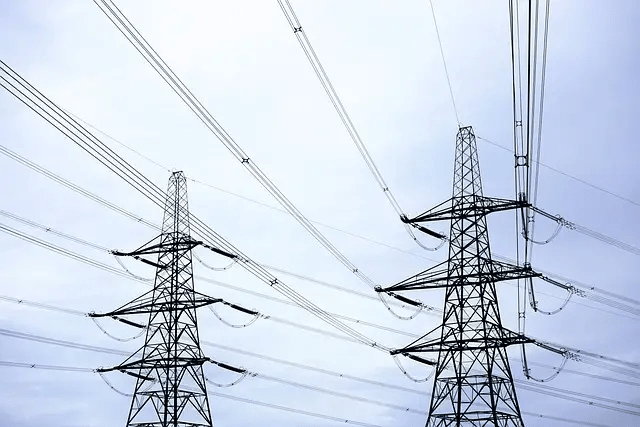
    Integrating solar power systems and solar energy systems into traditional power grids can be likened to introducing a solar energy system, like a modern ballet, into a classical repertoire; it brings new energy but also challenges the established rhythm.

    The integration of solar energy into existing power grids requires careful consideration of the existing infrastructure and the potential for solar energy.

    Grid Connection and Net Metering

    Connecting solar systems to the grid and benefiting from net metering is like being part of a dance ensemble while also enjoying solo performances. You’re part of a larger collective but also have the opportunity to shine on your own.

    Net metering allows you to produce electricity, generate your own, and receive credit for the excess energy you produce.

    Backup Power Solutions

    Having a backup power source when relying on solar energy is like having an understudy in a theater performance. It’s there to step in and keep the show going, even when the lead can’t perform.

    Backup power sources are essential for solar energy users, as they provide a reliable source of energy.

    Future Developments in Solar Technology

    doors, choices, choose

    Just as the world of dance evolves with new styles and techniques, so too does solar technology. Research and innovations hold the promise of addressing current limitations and propelling solar energy to center stage.

    The potential of solar energy is immense. It is a clean, renewable energy source that can be harnessed through solar power, providing an eco-friendly alternative to traditional energy sources.

    Advancements in Efficiency

    With advancements in efficiency, solar panels of the future could outperform their predecessors. It’s like a new generation of dancers, trained in the latest techniques, pushing the boundaries of what’s possible.

    The potential of solar energy is immense, and with the right technology, it could revolutionize solar energy.

    Sustainable Manufacturing and Recycling

    Efforts towards sustainable manufacturing and recycling in the solar industry are like choreographing a dance that respects tradition while embracing innovation. It’s about creating a performance that not only captivates the audience today, but also leaves a lasting, positive impact for future generations.

    The challenge is to find a balance between the two, to ensure that the industry is able to compete.

    Summary

    Solar energy, like a captivating ballet, has moments of brilliance and areas of improvement. Its advantages are clear: it’s a renewable source of power that reduces reliance on fossil fuels and promotes energy independence. However, its performance is not without flaws.

    Frequently Asked Questions

    What are the bad things about solar energy?

    The major downside of solar energy is the high initial cost of installing solar panels. Solar energy storage is expensive and it doesn’t work for every roof type.

    Furthermore, solar panels are dependent on sunlight, so they are not suitable for all climates.

    What are the challenges in installing solar panels?

    Installation of solar panels can be challenging due to the need for a compatible roof and sufficient space. This can be particularly problematic for residential installations.

    What are the financial considerations when investing in solar energy?

    Investing in solar energy requires a significant initial cost, along with additional energy storage costs. However, potential savings and incentives can make it a worthwhile financial investment in the long run.

  • Discover the Best Time to Use Solar Power for Maximum Efficiency

    Welcome to the illuminating world of solar power! Imagine harnessing the abundant energy of the sun to power your home, save on electricity costs, and contribute to a cleaner environment. Sounds appealing, doesn’t it? But how do we make the most of this radiant resource? Let’s embark on a journey to uncover the secrets of maximizing solar power efficiency and discover the best time to use solar power.

    Short Summary

    • Optimize solar power usage by taking advantage of peak sun hours and orienting panels to get the most energy.
    • Maximize consumption at home by aligning high electricity usage with peak sun hours.
    • Consider seasonal changes, time-of use rates, panel quality & efficiency when investing in solar power for maximum ROI.

    Optimizing Solar Power Usage: Peak Hours and Panel Orientation

    Did you know that being conscious of the sun’s behavior can significantly boost your solar power output? Just as we humans have our productive hours, the sun also has its peak hours. During these hours, known as peak sun hours, solar irradiance reaches 1,000 watts per square meter, and our solar panels produce as much solar power as possible.

    But it’s not just about the sun’s productivity; the orientation of our solar panels plays a crucial role in maximizing solar power generation. However, peak sun hours are not synonymous with daylight hours. The sun is highest in the sky at midday, and that’s when solar radiation peaks. It’s important to understand these nuances to get the most out of your solar power system.

    Similarly, the direction that your electricity solar panels face can make a significant difference in the amount of electricity they generate. The best panel orientation for harnessing the most solar energy varies depending on the region.

    Identifying Peak Sun Hours

    Peak sun hours are golden hours for your solar panels. These are the hours when the sun is at its strongest, and the panels can generate the most solar power. However, peak sun hours are not a fixed timeframe. They vary depending on your location and the time of the year.

    In general, if you are clocking around 4 peak sun hours, your solar power system is well-equipped to produce a useful amount of solar energy. For instance, cities in Australia receive around 6 peak sun hours, which makes for excellent solar electricity generation. However, do bear in mind that these hours dip during the winter due to increased cloudiness, the sun’s lower position in the sky, and shorter days.

    Proper Panel Orientation for Maximum Efficiency

    Aligning your solar panels correctly is like tuning a musical instrument; it hits the right chords of solar energy production. The panels should be positioned to catch the most sunlight and generate the most energy. But how do we determine the right direction?

    In Australia, for instance, north-facing panels are the best bet for maximum solar energy production. However, even panels facing east or west can still generate solar energy and lower electricity costs, with slight variations in the period of solar power production.

    Remember, a well-oriented solar panel is like a well-aimed arrow; it hits the target with utmost precision.

    Maximizing Solar Energy Consumption at Home

    Now that we know how to optimize the production of solar electricity, let’s focus on maximizing its consumption. The sun is our natural power plant, producing the most electricity between 11 am and 4 pm. However, once the sun sets, we lose most of the solar energy generated during the day unless we have a battery storage system.

    Interestingly, our homes usually demand the least electricity during the day when most people are away at work or running errands. This is the opposite of what we want, isn’t it? To make the most of our solar power, we need to align our high electricity usage with the sun’s peak hours.

    Let’s dive into how we can do this.

    Scheduling Power-Hungry Appliances

    Every home has its power-hungry monsters. Some examples include:

    • The air conditioner that beats the summer heat
    • The washing machine that scrubs our clothes clean
    • The dishwasher that saves us from the after-dinner clean-up

    These appliances consume a significant chunk of our home’s electricity, impacting our energy bill.

    But what if we could feed them with our solar-generated electricity? The trick lies in scheduling the use of these appliances. If we time these power-demanding tasks during peak solar energy production hours, we can maximize the use of our solar power and reduce our electricity costs.

    So next time the sun shines bright, let your washing machine and dishwasher spin.

    Utilizing Solar Monitoring Systems

    In our quest to optimize solar energy consumption, solar monitoring systems are our allies. These devices or software measure and track the performance of our solar energy system. They keep an eye on the fluctuations in solar energy output and help us adjust our electricity usage accordingly.

    A solar monitoring system can help us maximize our energy usage and spot any potential issues before they become major problems. Think of it as a personal assistant, constantly monitoring and adjusting your solar power usage to ensure you’re getting the most out of your solar power system.

    Seasonal Considerations for Solar Power Usage

    While we have mastered the daily rhythm of the sun, seasons bring a new challenge to our solar power journey. As seasons change, the angle and amount of sunlight throughout the day change, affecting the solar power output. For instance, during winter, the days are shorter, and the solar system is on for a shorter time each day, which translates to less electricity production.

    Hence, being mindful of our solar electricity usage is particularly important during winter when our solar systems produce less electricity than in the summer months. Just as we change our wardrobe with seasons, we need to adjust our electricity usage habits depending on the seasonal changes in solar power production.

    Solar Power Production in Summer vs. Winter

    If we compare the solar power production in summer and winter, the summer months come out as the clear winner. The longer days and higher position of the sun in the sky during summer allow for higher solar energy production.

    However, winter months tend to have lower solar power production. For instance, in New South Wales, solar production in winter drops to around 64% of what it is in summer. But remember, from October to April, solar panels in the Southern Hemisphere produce the most power. So, it’s all about riding the seasonal waves of solar power production.

    Adapting Solar Power Usage to Seasonal Changes

    Being adaptable is key to making the most of solar power. As the solar power production fluctuates with the seasons, we need to adjust our electricity usage accordingly. For example, planning to run power-hungry appliances during peak sun hours and using solar monitoring systems to track energy production can help us utilize our stored solar energy effectively.

    Remember, the angle of your solar panels should ideally be close to or equal to the latitude of your home. Therefore, adjusting the angle of your solar panels twice a year can also help optimize the solar power production. With these simple tweaks, we can ride the seasonal waves of solar power like a pro.

    Reducing Electricity Costs with Solar Power

    One of the most rewarding benefits of solar power is the potential savings on electricity costs. By using more solar energy for our personal needs, we can lower our electricity bills and become less dependent on the grid. The joy of seeing a reduced electricity bill month after month is priceless!

    However, this doesn’t mean we should sell our excess solar power back to the grid. Although net metering gives us credit for the excess solar power we send back to the grid, it’s smarter to use this solar-generated electricity for our own needs. The rates for exported energy are typically lower than what we would pay for the same amount of electricity from the grid.

    The Economics of Selling Solar Power Back to the Grid

    While selling your excess solar power back to the grid sounds like a good idea, it might not be the most economical option. The rates you get for the exported energy are usually lower than what you would save by using solar-generated electricity yourself.

    The amount of money you can make from selling solar power back to the grid depends on several factors including:

    • Your usage
    • How many kilowatt hours of energy you generate
    • Incentives in your state
    • Your utility company

    Therefore, it’s essential to weigh these factors before deciding to sell your excess solar power.

    Time-of-Use Rates and Solar Power

    Time-of-use (TOU) rates are another factor to consider when trying to maximize your solar power savings. With TOU rates, your electricity costs change depending on when you use it. By shifting your electricity usage to off-peak hours when rates are lower, you can maximize your savings.

    For instance, combining solar and battery storage allows you to store energy during off-peak hours. You can then use this energy during peak hours, increasing the value of net metering credits. Even small changes like programming a smart thermostat to run less during peak hours can save up to 10% on your electricity bills.

    Investing in Solar Power: Factors to Consider

    Investing in solar power is like planting a tree. You need to consider various factors like panel quality, efficiency, and professional installation to ensure that your investment bears fruit. High-quality panels and efficient systems are key to getting the most out of your investment.

    Having a professional install your system is equally important. It guarantees that your system is set up correctly and can generate the maximum energy possible. Remember, a poorly installed solar power system can be like a tree planted in the shade; it will never reach its full potential.

    Researching Panels, Inverters, and Installers

    Before you jump into the world of solar power, it’s important to do your homework. Researching various solar panels, inverters, and electricity rates can help you make an informed decision.

    Consider factors like:

    • The power rating of the panel vs the load
    • The panels’ efficiency
    • The minimum warranted power
    • The PTC rating
    • The location
    • The price of the panels
    • The energy efficiency
    • The long-term warranties
    • The type of panels

    These factors can help you choose the right solar power system that suits your needs and optimizes your return on investment.

    Evaluating Solar Power Investment Potential

    Evaluating your solar power investment potential is a crucial step before making the investment. Tools like insolation maps and insolation meters can help gauge the potential of investing in solar panels in different areas.

    When evaluating your solar power investment potential, consider the following factors:

    • Your location
    • Energy consumption
    • Cost of installation and maintenance
    • Return on investment
    • Payback period
    • Solar potential estimation

    This will allow you to get a clear picture of the potential benefits and returns of your solar power investment.

    Summary

    We’ve journeyed through the world of solar power, uncovering the secrets to maximizing its efficiency. We’ve understood the significance of peak sun hours, the correct orientation of solar panels, and the impact of seasonal changes on solar power production. We’ve also explored strategies to maximize solar energy consumption at home and reduce electricity costs. Finally, we’ve looked at the factors to consider when investing in solar power. Remember, every ray of sunlight captured by your solar panels brings you one step closer to a greener and more sustainable future.

    Frequently Asked Questions

    Is morning or evening sun better for solar?

    Overall, morning sun is better for solar energy production, as long as the panels are placed at an optimal angle and facing the right direction. The morning effect may not last all day, but it can still offer more efficient energy production.

    What are the worst months for solar?

    Solar energy production generally dips during the winter months of December and January, producing about 40-60% less energy compared to the summer months of July and August.

    How does the season affect solar energy production?

    Solar energy production is higher during summer months with longer and more intense days, while winter months tend to produce less energy due to shorter and less intense days.

    How can I maximize the use of solar energy at home?

    Maximizing your use of solar energy at home can be as easy as scheduling power-hungry appliances during peak production hours and utilizing solar monitoring systems.

    These systems can help you track your energy production and consumption, allowing you to make informed decisions about when to use your appliances and when to conserve energy. With the right setup, you can maximize your solar energy usage and reduce your energy bills.

    How can I reduce my electricity costs with solar power?

    Reducing electricity costs with solar power is easy – use more solar energy for your personal needs and don’t sell it back to the grid – you’ll save money and lower your bills.

    Using solar energy for your personal needs is a great way to save money on electricity costs. You don’t have to sell the energy back to the grid, which will help you lower your bills.